Vietnam’s $300 billion digital technology push could boost AI travel by 2030 | News
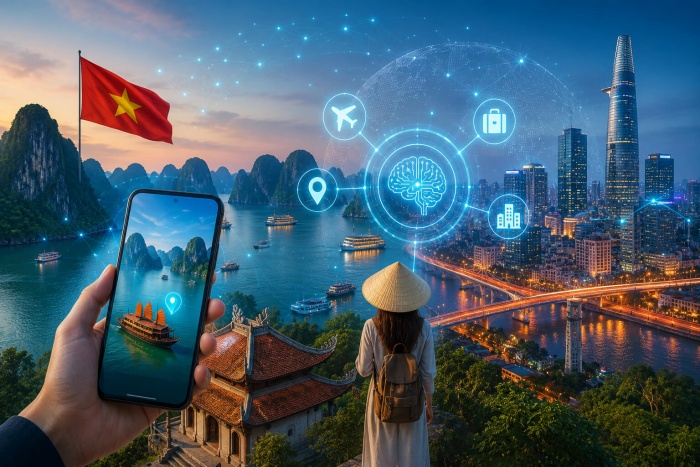
Vietnam is one of Asia’s fastest growing digital economies. The country has a huge technological boost that could revolutionize tourism and travel services. By 2030, this push could transform smart airports and AI-enabled visitor experiences.
The country’s broader digital economy is expected to grow at an accelerated pace over the next decade. According to the International Trade AdministrationAccording to other regional estimates, Vietnam’s digital economy could reach between $90 billion and $200 billion by 2030. Meanwhile, other regional estimates have placed the long-term digital potential even higher. Vietnam has also set a national target for the digital economy to contribute about 30% of GDP by 2030.
For the travel industry, this is much more than economic growth. It is a world where artificial intelligence, blockchain, digital identity, mobile apps, data platforms and smart infrastructure are central to the way tourists plan and book. Furthermore, smart infrastructure influences the way tourists move and experience destinations.
Vietnam’s digital tourism strategy is gaining momentum
Vietnam is beginning to lay the foundation for a more intelligent tourism ecosystem. In 2025, Vietnam launched the Visit Vietnam digital tourism platform to integrate destination data, reviews, bookings, transportation, accommodation, dining and loyalty services into a unified ecosystem. The platform has an AI Travel Assistant for automated travel planning and service booking.
This is part of a broader trend in tourism: travelers are demanding faster, more personalized and mobile-first services. Visitors no longer have to rely on traditional travel agencies or fragmented booking websites. Instead, they can turn to AI assistants that recommend destinations, generate itineraries, verify information and connect users with tourism providers.
For Vietnam, this can improve both the visitor experience and national tourism management. A unified data ecosystem can help tourism authorities understand travel flows and manage overcrowding. It can also improve service quality and help local businesses with better digital visibility.
AI could fuel Vietnam’s travel boom
Artificial intelligence is likely to be part of Vietnam’s tourism transformation. AI-based systems can assist travelers with trip planning, language translation, real-time destination updates, locating local attractions and customizing itineraries. This customization can be based on budget, weather, interests and mobility needs.
AI can help with faster check-ins, predicting crowd management, automating customer service, tracking luggage, identifying people with biometrics and making security checkpoints for airports and transportation hubs smarter. These improvements will help Vietnam’s airports become more efficient as international visitor numbers increase.
Vietnam’s tourism industry is already moving towards smart platforms, digital databases and Industry 4.0 technologies. VietnamPlus reported that the country’s tourism sector is accelerating the use of digital technology, AI and smart platforms. These technologies are used to build a smart tourism ecosystem.
Blockchain and digital identity can increase trust
Blockchain-based verification is one of the pillars of Vietnam’s digital tourism strategy. NDAchain.vna decentralized authentication platform, is part of the Visit Vietnam ecosystem to improve data reliability and transparency.
This can be important for tourism, as travelers often encounter problems with fake reviews, unreliable listings, fraudulent bookings and inconsistent service information. Blockchain-powered authentication can help authenticate tourism services, business credentials, loyalty programs and digital transactions.
For companies, this could mean a more trusted online environment. Hotels, tour operators, restaurants, transportation providers and local attractions can be more trusted if their services are verified through a national digital platform.
Smart airports and seamless visitor experience
Vietnam’s digital technology drive could also accelerate the rise of smart airports. With the growth of tourism, airports will need to accommodate more travelers without long queues and poor arrival experiences.
Artificial intelligence, Internet of Things sensors, cloud platforms and data analytics can be used in smart airport systems to improve passenger flow, automate check-in, optimize staffing, reduce delays and provide multilingual assistance. Travelers would benefit from better arrivals and faster immigration assistance. They would also benefit from better signage at the airport and more personalized travel advice once they land.
This is even more the case with the growing competitiveness of Asian tourism. Countries that can provide seamless digital travel experiences can have an advantage in attracting international visitors.
Why this matters for the Asian travel technology market
Vietnam’s digital transformation is not happening in a vacuum. Governments and businesses across Southeast Asia are investing in digital economies, AI infrastructure, e-commerce, fintech and smart city services. Vietnam aims to grow its digital economy to a significant share of GDP by 2030. Moreover, the country is one of the most ambitious technology users in the region.
With the right connectivity between AI, tourism data, smart mobility, digital payments and authenticated travel services, Vietnam could be a model for other emerging tourism markets in Asia.
The risk may be particularly high for:
– AI-powered trip planning platforms
– Intelligent airport technology
– Digital tourism marketplaces
– Blockchain verification platforms
– Personalized visitor apps
– Analysis of tourism data
– Automated booking and customer service tools
Challenges that Vietnam still needs to address
Despite these opportunities, Vietnam’s digital tourism ambitions will require significant coordination. The country will need strong cybersecurity and a reliable digital infrastructure. It will also require skilled AI talent, reliable data sharing rules, and widespread adoption by small tourism businesses.
Not all local operators yet have the resources or technical know-how to fully digitize their services. Without training and support, digital transformation can benefit large tourism brands over small hotels, guides, restaurants and local experience providers.
Vietnam will also have to protect the privacy of travelers. Responsible data management will be critical as AI platforms can collect more data on visitor preferences, movements, bookings, payments and identity verification.
The bigger picture
Vietnam’s digital technology boost could transform the country from a fast-growing tourism destination to a leader in smart tourism. Through the use of AI assistants, blockchain verification, national tourism data, smart airport systems and mobile-first services, Vietnam is laying the foundation for a more connected and smarter travel economy.
By 2030, visitors to Vietnam will experience a more automated, personalized, safe and seamless travel journey. This journey includes AI-powered travel planning, passing through smart airports and booking verified local experiences through a national digital platform.
“It is an interesting destination for the travel technology industry and Vietnam’s digital tourism strategy can set the tone for the future of Travel experiences based on AI across Asia in the coming years,” he said.
For more Breaking AI news, visit: https://breakingai.news