IATA AGM 2026: Africa and the Middle East are at aviation’s toughest frontier | News
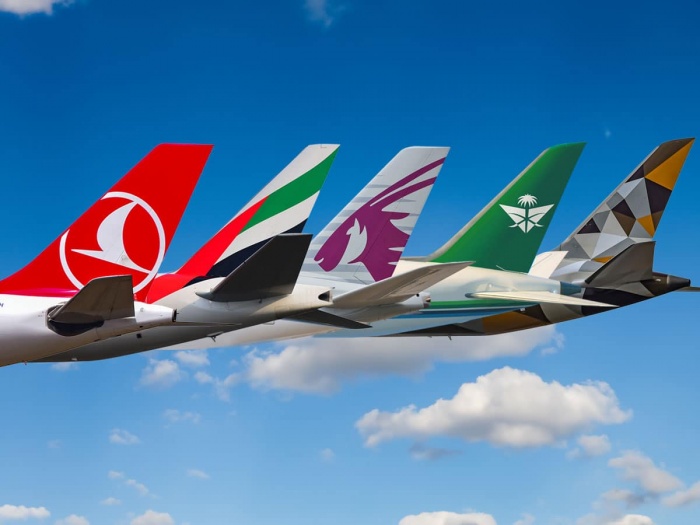
Africa and the Middle East hold a special place in global aviation. One is home to some of the most powerful connectivity hubs in the world, the other remains one of the least connected regions in the world. But at this year’s IATA Annual General Meeting in Rio de Janeiro, the two were presented less as separate stories than as adjacent chapters in the same strategic question: where will aviation’s next phase of growth come from, and what will it take to unlock it?
IATA’s briefing on Africa and the Middle East, led by Kamil Alawadhi, regional vice president for Africa and the Middle East, portrayed the region as central to global aviation but operating in unusually difficult circumstances. The Middle East was described as a story of resilience, Africa as a story of untapped potential and opportunity. That distinction is important. The Middle East has already shown what aviation can achieve when governments, infrastructure and airlines unite behind a long-term vision. Africa, on the other hand, still needs to overcome the policy, cost and safety barriers that prevent aviation from playing its full economic role.
The long-term growth prospects are compelling. According to IATA’s mid-growth scenario, Africa will grow by 3.6% annually between 2024 and 2050, while the Middle East is expected to grow by 3.1%. Both outpace many mature markets and underline a broader shift in aviation’s center of gravity. Air transport growth is increasingly concentrated in regions where demography, urbanization and economic development still have decades to go.
But growth predictions are easy to admire and difficult to achieve. The war in the Middle East has shown how vulnerable the region remains to geopolitical shocks. IATA said 10 regional airspaces were affected, leading to diversions and realignments, while jet fuel peaked at $218 a barrel and crack spreads hit record highs. Demand shifted away from Middle Eastern hubs and airlines reduced capacity to reflect higher costs and weaker demand. It recalled that aviation is one of the first sectors to feel geopolitical disruption and one of the fastest to reveal its economic costs.
The advantage of the Middle East is that it has spent decades building resilience into its aviation model. Airlines, airports and regulators have become accustomed to operating in a region where airspace, energy prices and passenger flows can change rapidly. That doesn’t make disruption painless, but it does mean that the region has developed the institutional strength to adapt. In aviation terms, resilience is increasingly a competitive advantage.
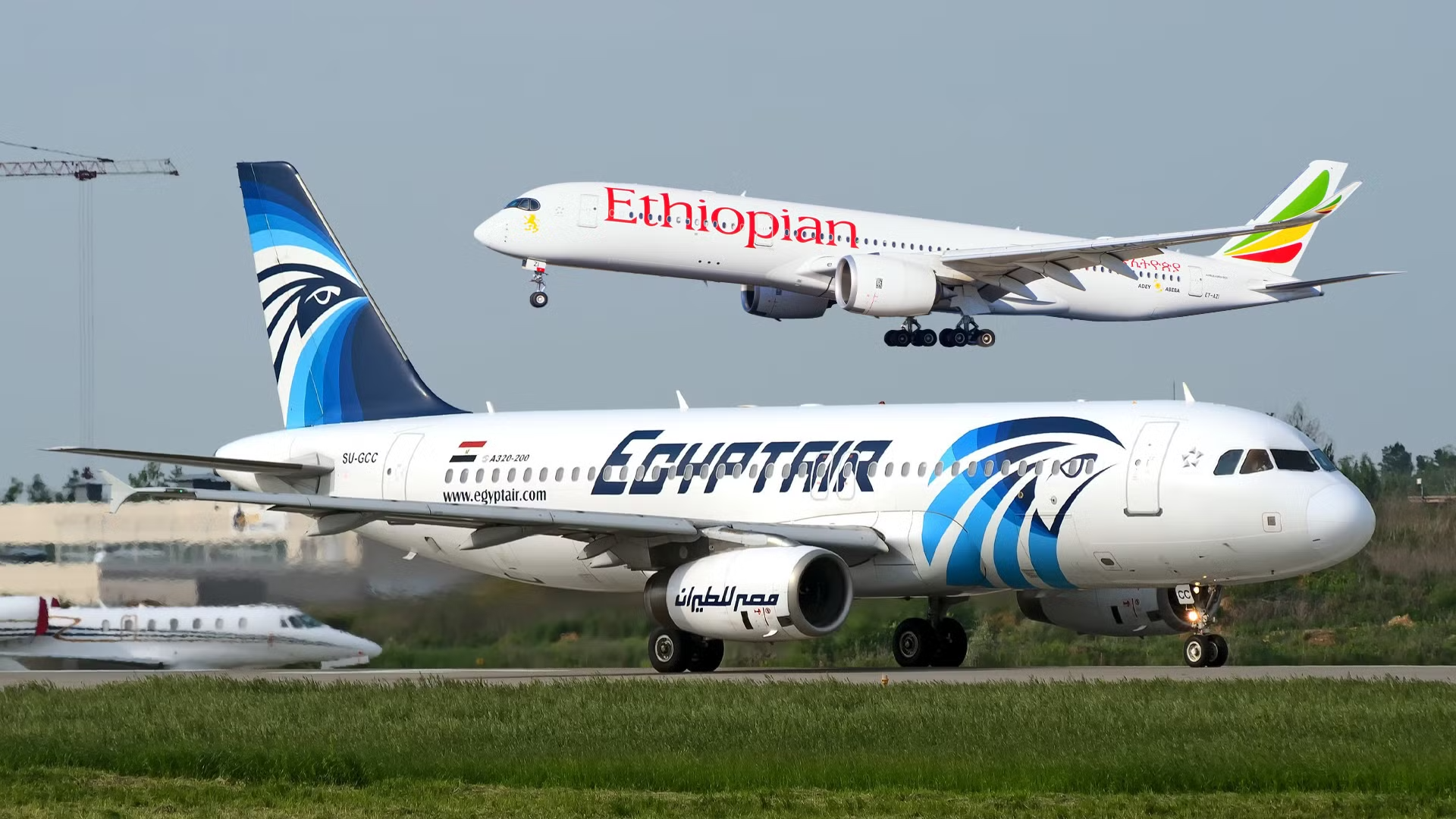
The African problem is different. The continent is rich in long-term demand but poor in aviation affordability. According to IATA, African airlines operate in the least profitable region globally, with the highest unit costs, double the industry average. Fleets are older, fuel is 17% above the global average, taxes and duties are 15% higher and corporate tax rates are the highest in the world. These are structural disadvantages and not headwinds.
The most striking figure is the blocked funds. Airlines currently capture $740 million in Africa and the Middle East, representing 98% of the global total. Algeria, Lebanon, Mozambique, Eritrea, Zimbabwe and Angola are responsible for some of the largest amounts. To passengers, this may sound like an accounting problem. For airlines it is a matter of network planning. If revenue cannot be repatriated, capacity becomes harder to justify, new routes become riskier and connectivity suffers.
That is why IATA’s call to governments was extremely practical. It urged states to recognize aviation as an economic factor, improve safety oversight, implement ICAO standards, reduce taxes and fees, ensure cost-efficient infrastructure and prioritize aviation in access to foreign exchange. None of this is glamorous, but it is the policy instruments that determine whether aviation markets grow or stagnate.
Safety remains the basis. The IATA has identified improving safety and making aviation more affordable as Africa’s two central priorities, and the logic is clear. Without stronger safety oversight and consistent implementation of global standards, growth cannot be sustainable. Without lower costs, growth cannot become inclusive. Aviation in Africa cannot be treated as a luxury sector to be taxed. It’s the economic infrastructure.
For the Middle East, the next agenda is more about maturity than market creation. IATA identified capacity building, regulatory harmonization and alignment with global standards as key priorities. It also warned that consumer protection rules must be balanced, proportionate and consistent with industry principles. As governments around the world become more active on passenger rights, airlines are resisting fragmented regulations that increase costs and complexity without necessarily improving outcomes.
The broader story is that Africa and the Middle East are entering different but interconnected phases of development. The Middle East has built world-class aviation platforms and now must maintain resilience, regulatory consistency and operational efficiency in a more volatile world. Africa has the demographics and demand, but needs policy reforms, affordability and security improvements to translate potential into traffic.
The opportunities for global aviation are considerable. If Africa can reduce flight costs, improve safety oversight and free up stalled revenues, it could become one of the sector’s defining growth stories. If the Middle East continues to adapt through instability while deepening regulatory harmonization, it will remain one of the world’s most important connectivity regions. The next chapter of aviation may be determined less by whether there is demand and more by whether governments choose to let it fly.