Anthropic’s Fable 5 can make weirdly fun video games with the click of a button
Anthropic has released Claude Fable 5, the first publicly available version of the closely watched Mythos model. What can Fabel actually do? All kinds of things, as it turns out.
Ethan Mollick, a leading AI researcher and associate professor at Wharton, has played around with the model and seems to be having a lot of fun.
In his testing, Fable consistently “outperformed virtually every other public model I’ve used by a significant margin,” Mollick wrote Tuesday on its Substack. He added that it “handled a lot of problems and produced some surprising results – it could take up to a dozen hours when running multi-page specs.”
Perhaps most notably, Mollick used Fable to create a variety of video games — all of which were generated via “one initial prompt” in Claude Code, the researcher says.
Among these, Snake is exactly what it sounds like. You’re a Pac-Man-like snake and you walk around eating apples. The snake never stops moving, and if you run off the screen, you die. It’s a real ’80s arcade, but like many of those old games, it’s strangely addictive. I played it longer than I’d like to admit before I remembered that I’m a gainfully employed writer and not, in fact, a fruit-loving snake.
Then there was Layerswhere you wander around a seemingly endless network of underground tunnels and the goal is to light as many lanterns as possible. The graphics look like a downgraded version of Myst – they’re not great – but the fact that the game exists at all, generated from a single prompt, is impressive.
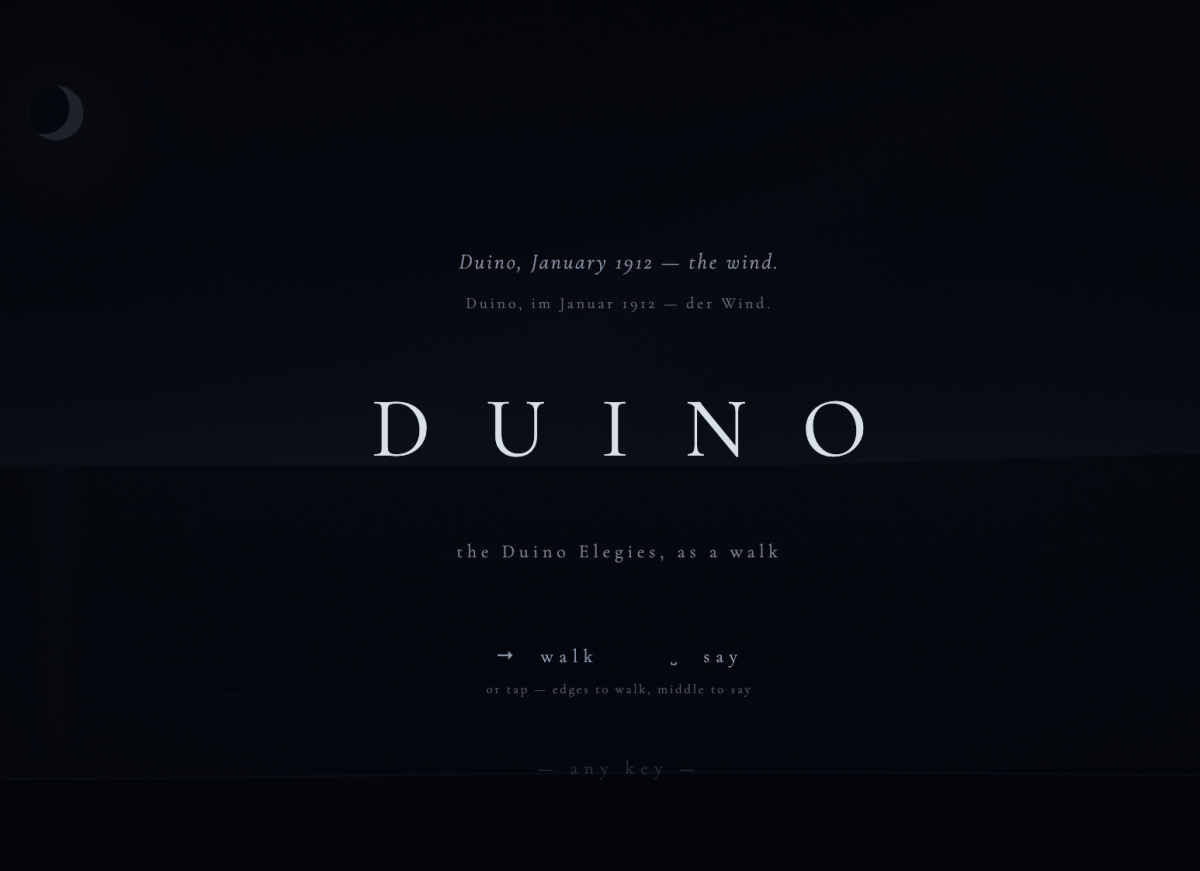
Mollick even managed to create Duinoa game based on the Duino Elegies, the famous cycle of poems by the German poet Rainer Maria Rilke. I like the animation here best – the player is a lone figure in a nighttime landscape – although the gameplay doesn’t involve much other than walking around while Rilke passages appear on screen.
In addition to the variety of instant games that Mollick produced, he also used Fable to create a isochronous map — a visualization showing how long it takes to travel between two locations. The accuracy and detail are breathtaking.
The implications are quite clear. Software projects that once required entire teams (games, mapping tools, highly complex specs) are now launched from a single prompt. It’s reason for vibe coders of the world to rejoice. As for founders and operators looking at the AI capacity curves, this is a useful data point on how quickly the bottom is rising.
When you make a purchase through links in our articles, we may earn a small commission. This does not affect our editorial independence.