What happens if houses don’t sell?

For many homeowners, the process of selling a home is filled with anticipation. However, when Redfin’s “for sale” sign remains on the lawn longer than expected, the excitement can quickly turn to uncertainty. Across the country, many sellers are finding themselves in a changing landscape where the fast sales of previous years are no longer a guarantee.
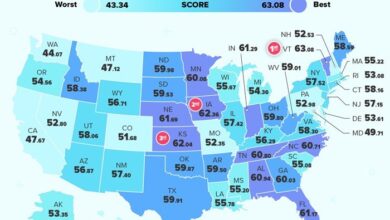
This will apply more broadly from March 2026 American housing market has seen a notable shift, with the average number of days on market increasing to fifty-five, an increase of seven days year over year. With a national average sales price of $436,523 and Mortgage interest rate with a fixed term of 30 years With a rate of around 6.75%, affordability has become a major hurdle, especially for first-time buyers.
Insight into the ‘stuck’ market
Ideally, a homeowner will want to list their property seller’s marketwhich occurs when demand exceeds supply. In these circumstances, sellers often take advantage of bidding wars and favorable terms, such as buyers paying some or all of the closing costs.
However, when a region experiences market stagnation, the balance of power shifts. This environment is often characterized by several important economic factors:
- Persistent inflationary pressures. When inflation remains “stubborn” and energy costs rise, this often damages consumer confidence and reduces the purchasing power of potential buyers.
- Uncertainty about the interest rate. When the Federal Reserve adopts a “wait for clarity” stance, it creates a ripple effect on long-term mortgage rates, often causing buyers to pause their search until they have a clearer picture of future costs.
- Shift to tangible assets. During periods of high volatility, capital often rotates away from growth stocks and into sectors tied to tangible, real assets, rewarding properties with immediate value rather than just future potential.
When your house won’t budge
When a home does not sell within the usual time frame, homeowners should strategically evaluate their next steps to avoid rising holding costs.
Strategic price reductions
If a house isn’t attracting offers, a price reduction is often the first line of defense. Current trends show that in refrigeration markets, such as Vegas, 27.4% of the homes have to lower their list price. A well-timed price reduction can reposition a home to be more competitive against newer offerings.
Evaluation of the short sale option
In cases where the value of a home has fallen or the equity is insufficient to cover the mortgage balance, owners may face the prospect of a short sale. This involves negotiating with a lender to accept a sales price that is less than the debt owed. While these have been rare during the recent housing boom, experts like Brandy White Elk, owner of Innovative real estate strategies (IRES), note that these conversations are resurfacing for the first time in years.
Transition to a casual landlord
One of the most popular “Plan B” strategies is converting the house into one rental property. This allows owners to generate income to offset mortgage payments while they wait for market conditions to improve. Fortunately, there is still healthy rental demand in many areas; for example, occupancy rates in the Las Vegas Valley currently average between 93% and 95% due to job creation and population growth.
What this means for investors
While individual homeowners feel these shifts, the impact is often magnified for real estate investors who are often forced to overhaul their entire exit strategy. Brandy White Elk notes that many investors are “out of luck” right now and are being pushed into it become landlords – at least until the market warms up again.
This shift is visible in the way real estate is marketed. White Elk reports that of its 70 active listings, 38 are now dually listed, for both sales and rentals. This is a significant departure from just five years ago, when sellers typically chose a single path. In this environment, the market rewards ‘real assets, not just future potential’, forcing investors to decide whether to hold their positions or pursue a short sale if their equity is insufficient.
The waiting game
Ultimately, whether you’re in a major metropolis like Las Vegas or a quiet suburb, the decision to sell, rent, or drop a price depends on your unique financial timeline. As with any high-stakes game, there comes a point when players must decide whether to call or fold. While the choice to change is never easy, maintaining flexibility ensures that both homeowners and investors can weather the current economic uncertainty until the market eventually shifts back in their favor.