Nvidia chases $200B CPU market with AI agent PCs from Microsoft, Dell, and HP
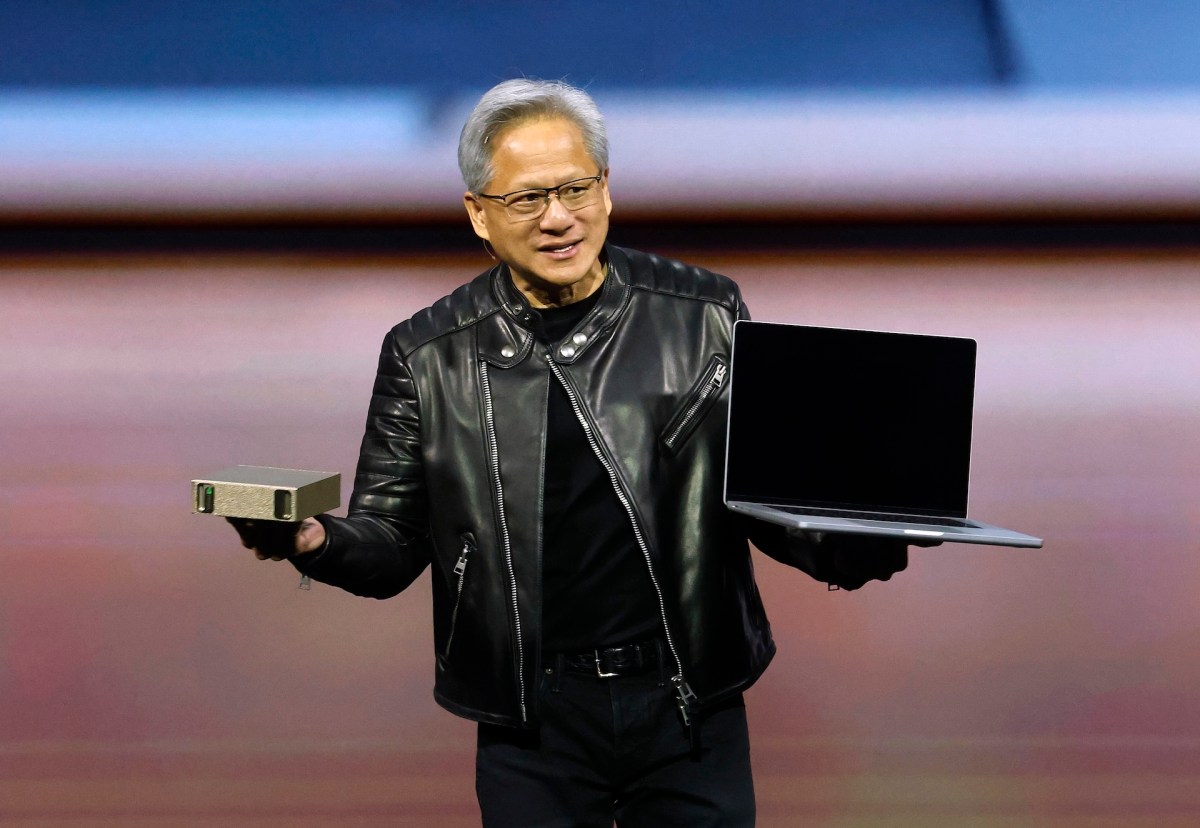
Nvidia literally opened the huge Computex fair in Taipei on Sunday with a spark. The chipmaker unveiled a new PC CPU called the RTX Spark, which it called a “superchip,” and cited a who’s who list of PC makers that will soon ship AI PCs powered by it.
The super-fast 1-petaflop chip is designed to safely run AI agents such as OpenClaw or Hermes Agent, according to Nvidia. Such RTX Spark Windows PCs will be available this fall from ASUS, Dell, HP, Lenovo, Microsoft Surface and MSI, with models from Acer and Gigabyte to follow.
In addition to being equipped with secure sandboxes (developed in collaboration with Microsoft) to run agents safely, the PCs will also have enough CPU, GPU, RAM and underlying Nvidia CUDA software to run local versions of major language models.
Nvidia said its RTX technology will deliver faster performance for AI, better image quality and support for AI features in more than 1,000 games and applications.
The chipmaker is marketing this as an alternative to makers creating AI content, and also offers a significant upgrade for its traditional market of gamers. Nvidia said more than 100 Windows software makers have signed on to support the new chip, including Adobe, Blender, ComfyUI, Riot Games and Xbox.
But Nvidia founder and CEO Jensen Huang’s vision for these new PCs is much bigger. He wants to end the days of launching apps, pointing, clicking and typing.
“With RTX Spark and Microsoft Windows, you ask – and the PC does the work,” he said in the press release. “Frontier models. Creative workflows. RTX games. Everything on a laptop.”
Last month, after posting another record quarter, Huang promised investors that he had found a new $200 billion market for Nvidia by selling CPUs for AI, not just GPUs. He specifically mentioned the high-end server CPU released earlier this year called Vera, which Nvidia says has already sold $20 billion.
He also hinted at his greater ambitions. “We’re going to have billions of agents, and those billions of agents are all going to use tools. And those tools are going to look like PCs, just like we humans use PCs today,” he said during the May earnings call. “We need a lot more CPUs.”
Nvidia ARM-based Windows devices have been tried before – and failed. Back in 2013, Microsoft had to write off $900 million on its Nvidia ARM-based Surface RT, with partners like Dell also abandoning the product.
But at this point, after achieving record after record in quarterly revenue, it’s hard to bet against Huang as he chases his PC dreams again.
And this chip is a completely different beast. It’s more powerful, not less. Microsoft is positioning its own RTX Spark PC as so powerful that it called it the Surface Laptop Ultra, and it is call it “the most powerful Surface laptop ever built.”
Still, PC makers haven’t released many details about each of their offerings, including prices. These systems appear to be full-fledged Windows versions of the DGX Spark minicomputer that Nvidia already sells to developers for around $4,800.
We’ll have to wait and see if these PCs will compete on price with the affordable Mac Mini that has become a popular choice for running OpenClaw. Or maybe they’ll sit at the high end of the PC market, like Nvidia’s own mini-computer with agents.
Either way, if Nvidia has cracked the code on bringing AI agents to the masses easily, safely and usefully, it could – and should – be big.
When you make a purchase through links in our articles, we may earn a small commission. This does not affect our editorial independence.