Lessons learned from Times of San Diego’s email newsletter redesign
Times of San Diego recently redesigned its flagship daily newsletter with a simple but increasingly urgent goal: treat email as a core product, not just a distribution channel.
The shift was driven by two realities shaping local journalism today. First, audience expectations are evolving — people want to be informed quickly, meaningfully and on their own terms. Second, inbox algorithms increasingly reward engagement, not just reach. Together, those forces are reshaping how local news organizations show up in readers’ daily lives.
With that in mind, Times of San Diego’s audience engagement producer, Tessa Balc, worked closely with News Revenue Hub’s email and audience experts to rethink the product from the ground up — anchoring it in an audience-first approach.
Start with audience needs
The process began with listening. Times of San Diego serves a broad but clearly defined audience: residents who want to stay informed about their communities, hold institutions accountable and feel connected to the region. Within that, they identified distinct behaviors:
- Skimmers who need a fast, high-value briefing
- Engaged readers who want deeper context before committing time
- Community-oriented readers motivated by local impact and accountability
The takeaway: a single, linear newsletter wouldn’t meet these needs. A more flexible, modular experience would.
Designing for the inbox
The redesign prioritizes what readers can get within the email itself. Rather than functioning primarily as a funnel back to the website, the newsletter now delivers a comprehensive local briefing — centered on Times of San Diego’s strength in hyperlocal coverage.
That means sharper summaries, clearer structure and intentional layering of content so readers can scan or dive deeper without friction.
For local publishers, this is an important mindset shift.
When inboxes are crowded and attention is limited, delivering immediate value isn’t just a user benefit — it’s a competitive advantage.
Why engagement is now infrastructure
Recent changes in inbox ranking — particularly in Gmail — have elevated meaningful engagement signals such as clicks, replies and active interaction while reducing the weight of passive opens.
In response, the team incorporated more explicit engagement modules into the newsletter:
- Stronger and more personalized calls-to-action
- Structured prompts that encourage readers to reply
- Recurring sections designed to build habit and participation
This isn’t about adding extras but rather aligning editorial design with how email distribution systems now evaluate value.
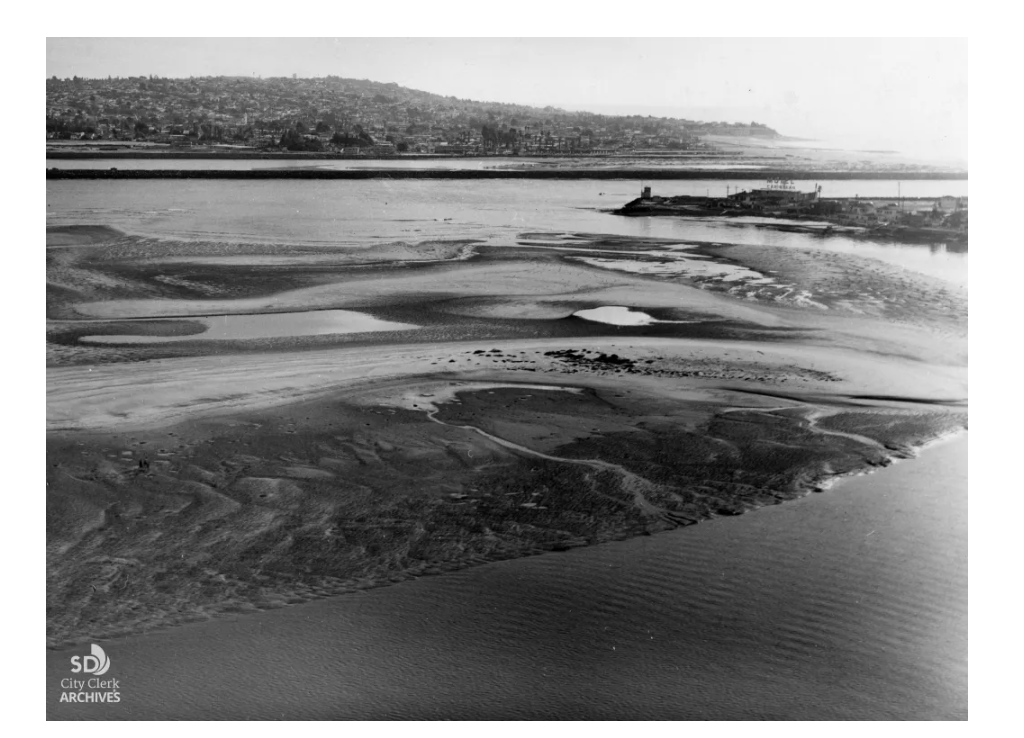
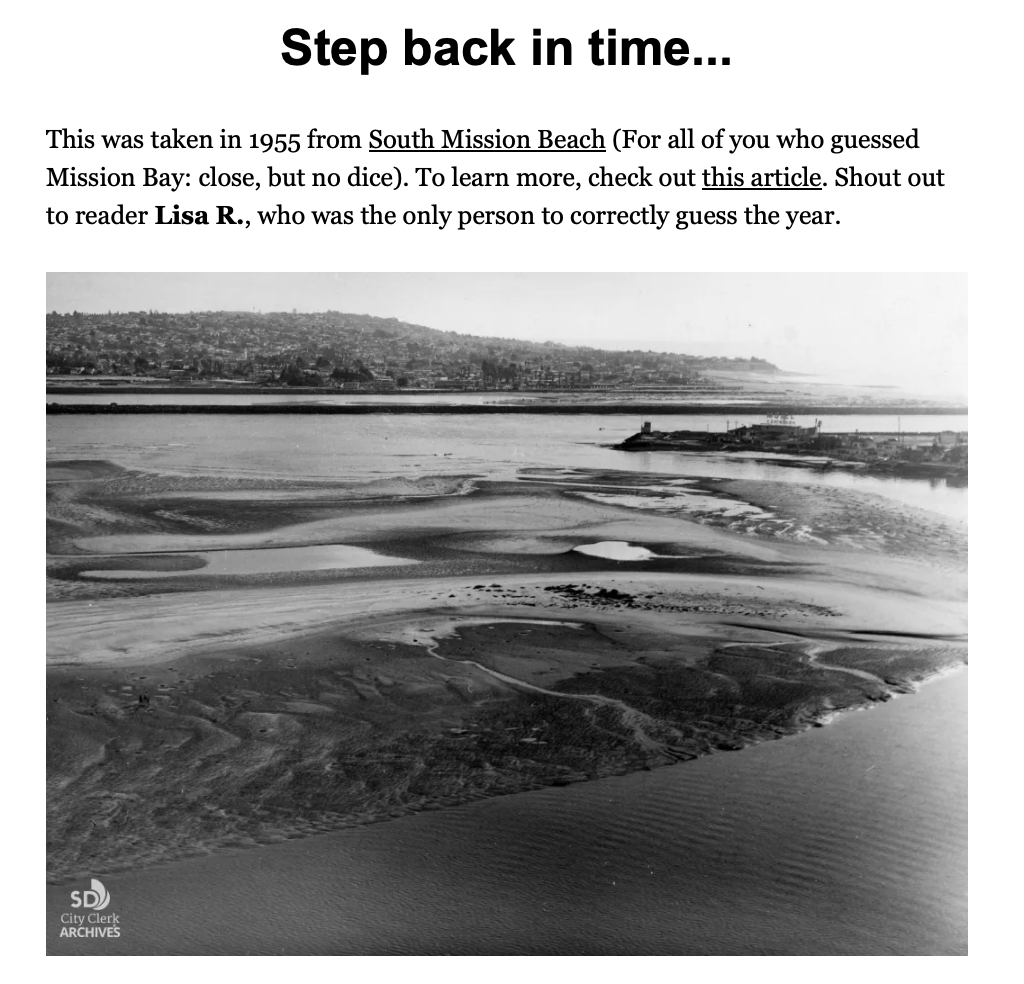
Notably, one of the most successful additions has been a recurring historical feature. It consistently resonates with readers, reinforcing that local audiences want a deeper understanding of their community.
Measuring what matters
While the team continues to track core metrics like subscriber growth, engagement rates and deliverability, the definition of success has evolved.
They’re asking:
- Are readers interacting with the newsletter, not just opening it?
- Are they choosing to stay subscribed over time?
- Does the product deepen their connection to local news and their community?
These are critical indicators for performance and sustainability.
A broader lesson for local news
For NEWSWELL and local publishers, the takeaway is clear: audience-centric design and engagement-driven strategy are no longer optional.
When newsletters and other editorial products are built around real user needs — and designed for how people actually consume information today — they become more than distribution tools. They become daily habits.
And in local journalism, habits are what build trust, relevance and long-term impact.
This update appeared in our June 12, 2026, newsletter. This version has been lightly edited for clarity.
Source link