How to compare apartments beyond monthly rent
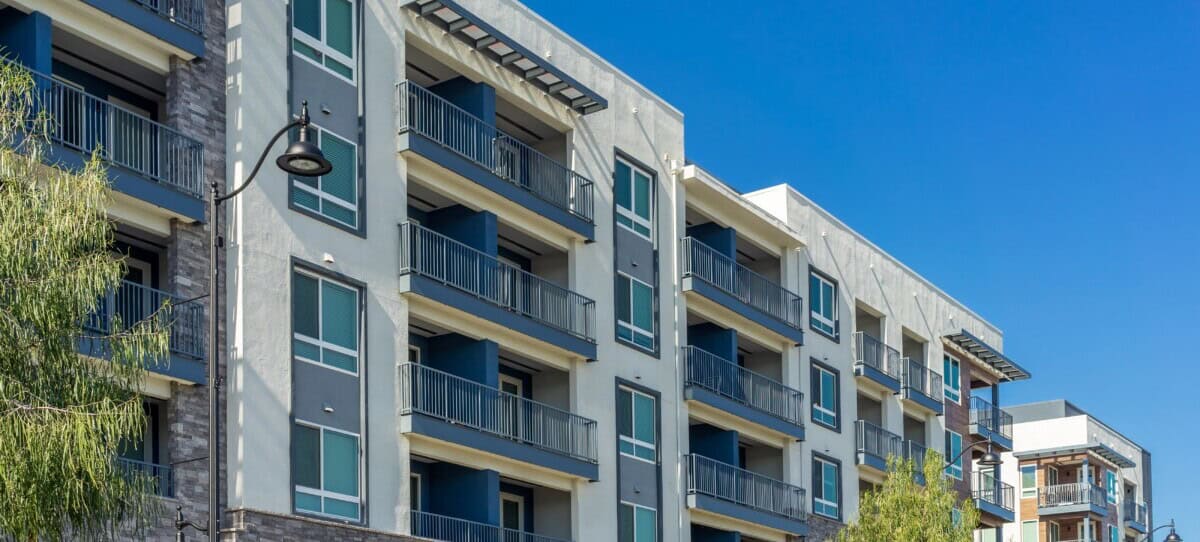
When looking for a new apartmentit’s easy to focus on one number: the monthly rent. But two apartments with the same advertised price can have very different overall costs and living experiences. Utility costs, rental terms, amenities, travel times and maintenance quality can all influence whether a rental property truly suits your budget and lifestyle.
Whether you compare apartments in Seattle, WAor apartments in Charlotte, NCLooking beyond the monthly rent can help you make a more informed decision. Here’s what you need to evaluate before signing a lease.
Calculate the actual monthly costs
The advertised rent is only part of what you pay each month. Ask landlords or property managers for an overview of additional costs, including:
- Utilities such as water, electricity, gas and waste
- Internet or cable costs
- Parking costs
- Pet rental or pet deposit
- Utility costs
- Storage unit costs
- Mandatory renters insurance
- Package handling or technology charges
Make a side-by-side comparison of your estimate total monthly costs can provide a more accurate picture of affordability.
“One thing renters continually overlook is that the cheapest apartment on paper is not always the cheapest apartment to live in. Renters tend to focus on monthly rent, but things like utility costs, parking, pet costs, commuting costs and even how quickly maintenance issues are resolved can have a much bigger impact on their daily experience than saving $50 or $100 a month.” – Emily Rocchio, Managing Partner, Priority real estate group
Compare rental conditions and flexibility
A lower rent may be accompanied by a longer rental obligation or expensive penalties for premature termination of the lease. Before you decide, check:
- Lease length options
- Renewal policy
- Early Termination Fees
- Rules for subletting
- Rent increase clauses
- Availability month to month after initial term
Understanding these terms in advance can help you avoid unexpected expenses later.
“I would also encourage tenants to really read the lease and ask questions, even if they feel a little silly. Things like renewal terms, notice requirements, moving costs, and who is responsible for certain maintenance items can catch people off guard later,” says Emily Rocchio.
Evaluate the location outside the address
A great apartment isn’t just about the unit itself. Consider how the environment fits into your daily routine by looking at:
- Travel times to work or school
- Access to public transport
- Supermarkets and pharmacies nearby
- Restaurants and entertainment
- Parks and recreational opportunities
- Walkability and bicycle access
- General neighborhood convenience
Visiting the area at different times of the day will also give you a better idea of traffic, activity and noise levels.
Take transport costs into account
A cheaper apartment further from your workplace can be even more expensive if transport costs are included. Estimate the monthly costs for:
- Fuel
- Public transport passes
- Parking at work or at home
- Vehicle maintenance
- Toll
- Ride sharing services
In addition to the financial costs, the time spent commuting must also be taken into account.
Assess the condition of the apartment
During the day home tourspay close attention to signs of maintenance and repairs. Search for:
- Water stains or leaks
- Cracks in walls or ceilings
- Well-functioning windows and doors
- Working devices
- HVAC performance
- Water pressure
- Evidence of pests
- Sufficient storage space
Taking notes and photos during each tour will make comparisons easier later.
Compare included amenities based on your needs
Facilities can add value, but only if you actually use them. Consider features such as:
- Laundry in the unit
- Fitness centers
- Swimming pools
- Coworking spaces
- Outdoor spaces
- Secure parcel lockers
- Bicycle shed
- Covered parking space
- Elevators
- Community events
Instead of choosing the building with the longest amenities list, prioritize features that support your lifestyle.
Research into management and maintenance responsiveness
Even a nice apartment can become frustrating if maintenance requests go unanswered. Please research before signing:
- Online management reviews
- Maintenance response times
- Office communications
- Emergency repair procedures
- Resident satisfaction
Rocchio also recommends taking a few extra steps before committing.
“When I’m choosing between two apartments with similar rents, I look beyond the unit itself. I’d rather live in a place with responsive management, a shorter commute, and a home that feels well cared for, than save a little money upfront. In my experience, those are the things people talk about a year later, not the rent difference. Read online reviews, walk through the property and see if it’s in good condition, call the front desk and see how easy it is to get in touch with someone. Little things you might notice can overlook, but can save you future potential headaches!
Think about future needs
Your housing needs may change during the term of your rental contract. Ask yourself if the apartment will still work if:
- You start working remotely.
- You adopt a pet.
- The size of your household is changing.
- You buy extra furniture.
- You need more parking.
- You expect to stay for more than one rental period.
Planning ahead can reduce the chance that a new move will be needed sooner than expected.