Dubai’s tourism sector comes together for DET’s City Briefing in a show of cohesion | News
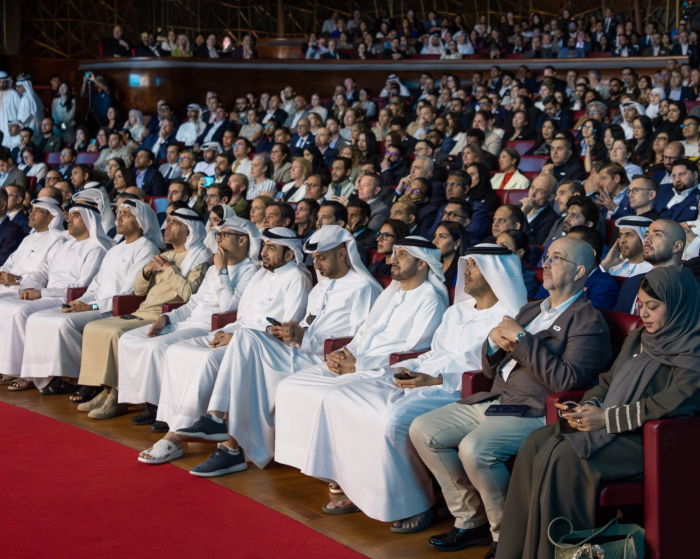
The Dubai Department of Economy and Tourism (DET) held its biennial City Briefing with key industry stakeholders at Dubai Opera on June 3, bringing together more than 1,700 leaders from the tourism, aviation, hospitality, retail and events sectors, as well as government officials and members of the media. At a time of changing regional dynamics, the meeting, which attracted a record number of visitors for a DET City Briefing, was a definitive demonstration of Dubai’s unity and forward determination and a reflection of the deep public-private partnership that has long positioned the city as one of the world’s premier destinations for business and leisure.
The briefing for DET stakeholders and partners, held in the presence of His Excellency Helal Saeed Almarri, Director General of DET, aimed to align strategy, strengthen operational continuity and accelerate the implementation of the Dubai Economic Agenda, D33, at a crucial time for the sector as it navigates changing circumstances while supporting growth and global competitiveness. The briefing provided a comprehensive overview of the sector, built around three different pillars: the industry’s coordinated response to regional developments; the resilience demonstrated across the tourism sector, as well as recent innovative initiatives; and a forward-looking look at key initiatives, events and developments that will shape Dubai’s trajectory in the second half of 2026.
His Excellency Issam Kazim, CEO of Dubai Corporation for Tourism and Commerce Marketing (DCTCM), said: “Under the visionary leadership of His Highness Sheikh Mohammed bin Rashid Al Maktoum, Vice President and Prime Minister of the UAE and Ruler of Dubai, we have built a tourism ecosystem that is coordinated, agile and globally connected. This business model, combined with the support of our stakeholders and partners, along with a diversified market strategy, has been critical to continued resilience of Dubai’s tourism sector.
The city’s response to recent developments also reflects a mature institutional framework built on long-term collaboration between the public and private sectors, enabling decisive action and stable performance. As we enter the second half of 2026, our focus remains on supporting long-term growth and strengthening global competitiveness. We continue to develop Dubai’s tourism and economic proposition in line with our ambitions and the priorities of the Dubai Economic Agenda, D33, as we move forward with clarity, confidence and shared purpose.”
His Excellency Ahmed Al Khaja, Chief Executive Officer of Dubai Festivals and Retail Establishment (DFRE), said: “Events remain a crucial growth driver for Dubai’s tourism economy, driving visitor numbers, supporting businesses and creating demand all year round. Guided by Dubai’s bold and forward-thinking leadership, our events strategy continues to evolve from a strong foundation to a global benchmark for excellence, diversity and innovation. A thriving year-round events calendar is one of the most powerful drivers of economic activity, and the pipeline we have for the remainder of 2026 is a direct reflection of our confidence and ambition in Dubai’s events ecosystem, which is built on the public-private partnerships that underpin it. Working closely with our partners, we are putting together programs that expand Dubai’s global appeal and contribute directly to the Dubai Economic Agenda, D33.”
Response: Immediate, coordinated and decisive
Attendees were briefed on how DET and its partners took swift action to secure Dubai’s visitor economy from the earliest stages of the regional situation. Following the UAE’s decisive leadership, immediate action was taken to maintain stability: the rapid activation of emergency frameworks; close coordination with airport and airline partners Emirates and flydubai to ensure diverted flights maintain connectivity for travelers; providing real-time guidance to operators in the hospitality and entertainment sectors through channels including the Dubai Info Hub WhatsApp channels, as well as clear, consistent messaging to strengthen Dubai’s position in international markets around the world.
To combine this private sector solidarity with decisive institutional action, the Government of Dubai has announced a historic AED 2.5 billion package, directly supporting the tourism, hospitality and entertainment sectors. The package was structured to protect business continuity, preserve employment at scale and maintain the integrity of the visitor and resident experience. It included targeted financial support for eligible operators and accelerated regulatory and licensing processes.
Together, these measures provided continuity across key touchpoints of the visitor journey, while maintaining service standards and operational stability, and demonstrated the solid institutional framework and crisis preparedness that continues to distinguish Dubai as a top global destination.
Resilience: a sector that united and achieved results
Dubai has entered 2026 from a position of strength, with record-breaking international visitor numbers in 2025, GDP growth of 6.4% in the fourth quarter of 2025 and a remarkable 95.2 million passengers welcomed through Dubai International Airport, confirming that the city is progressing with precision towards its D33 Agenda targets.
Across every segment of Dubai’s tourism and hospitality ecosystem, the story of recent months has been one of flexibility and collaboration. Restaurants offered dining initiatives to maintain commercial activity and footfall, while hotels offered preferential rates, innovative value-added packages and flexible booking policies to visitors. In each segment of the sector, industry partners operated as a community, a direct reflection of the relationship built and strengthened through years of public-private involvement led by DET.
Initiatives such as ‘Dubai, A Fine Way to Dine’, a targeted program launched to support the gastronomic sector, and ‘Dubai Restaurant Week’ have also helped maintain the momentum. By offering curated promotions across the city’s F&B outlets, these initiatives successfully encouraged residents to explore both new and established restaurants while strengthening the wider gastronomic sector. In addition, Dubai’s chefs have been actively supporting each other through industry-led initiatives. From grassroots ‘industry takeovers’, where chefs visit and support each other’s locations, to joint ‘Family Meal’ programs that support hospitality workers, the culinary community has come together to offer each other support.
This collective response extended beyond the culinary community. Dubai’s resilience is etched into the everyday lives of its people and this collective spirit has been strikingly visible in recent weeks. From the sea of national flags proudly hoisted above villas in the area to the gatherings at Kite Beach and Nad Al Sheba, where residents leave warm messages as part of the ‘We Love Dubai’ initiative, a sense of community and togetherness has prevailed. These communities, from long-term expats to Emirati families, continue to serve as Dubai’s most passionate advocates, proving that its most enduring characteristic is the solidarity of its residents.
Roadmap: Events, key developments and momentum for the future
An important part of the City Briefing was the orientation on what lies ahead, presenting a picture of optimism and continued momentum. Today, forward-thinking hoteliers are using current market conditions as a strategic opportunity to reinvest. By now focusing on world-class renovations and property improvements, the industry is ensuring its products remain at the forefront of hospitality as Dubai moves into its next chapter of growth.
Dubai’s global marketing and partnership programs continue to maintain the city’s presence and voice share in more than 80 source markets. DET works in a structured manner with more than 3,000 global partners to maintain visitor numbers, protect market share and strengthen Dubai’s top-of-mind positioning among travelers around the world. The message was clear and consistent: Dubai is safe, operational and offers world-class experiences.
Central to this momentum is a robust calendar of flagship events and initiatives, most notably the return of Dubai Summer Surprises (DSS) in July with a vibrant program of sales, raffle promotions, family-oriented entertainment and cultural experiences for residents and visitors, structured around three signature components: entertainment experiences, retail promotions and dining and hospitality.
Events and activities during DSS include the Great Dubai Summer Sale and Summer Restaurant Week. As DSS continues to emerge as a vital enabler for the retail and hospitality sectors by positioning Dubai as a favorite family destination during the summer, the Dubai Fitness Challenge (DFC), from October 31 to November 29, will celebrate a milestone 10th edition. This anniversary serves as a compelling statement of the sustainable investment that DET and its partners have made in positioning Dubai as a leading global destination for lifestyle and wellness tourism.
At the same time, the city’s infrastructure continues its forward trajectory. The recently approved Gold Line will provide a 42-kilometer underground link through 15 districts, while the Blue Line remains on track for its debut in 2029. The $35 billion expansion of Al Maktoum International (DWC), set to become the world’s largest aviation hub, strengthens the long-term structural investments that anchor Dubai’s growth and global connectivity.
The City Briefing concluded with a clear and united commitment from across the tourism ecosystem to maintain momentum, deepen collaboration and advance the objectives of the D33 agenda. As we look ahead to the remainder of 2026, the sector remains focused on supporting growth, increasing competitiveness and strengthening its position as a leading global destination for business, tourism, innovation and investment.