BTN recently caught up with Danielle Curtis, Regional Portfolio Director – UAE at RX Global | News
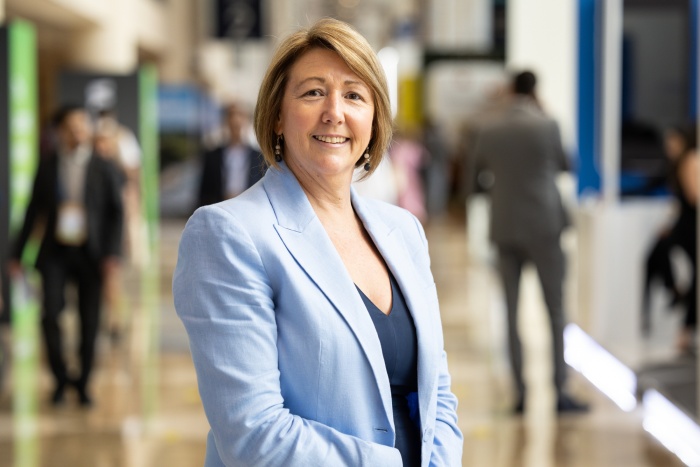
Breaking Travel News recently caught up with Danielle Curtis, Regional Portfolio Director – UAE at RX Global, to discuss the continued success and evolution of Arabian Travel Market (ATM), one of the world’s leading travel and tourism events.
As the global travel industry continues to evolve at pace, Danielle shares her insights into the key trends shaping the sector, how Arabian Travel Market is adapting to meet the needs of exhibitors and visitors alike, and the event’s growing role as a catalyst for innovation, collaboration and international business. She also reflects on the highlights of the most recent edition and offers a glimpse of what the industry can expect from future events.
1. Arabian Travel Market has become one of the standout events in the global travel calendar. What role do you believe it now plays in shaping the future of travel across the Middle East and internationally? And as ATM has always reflected the confidence of the regional market, what is the mood among partners, exhibitors and destinations as they look ahead?
With our newly announced September dates, 14 – 17, ATM is a key catalyst for rebuilding momentum across the tourism sector, helping to restore confidence and accelerate growth in the Middle East and beyond. More than a meeting point, ATM has become a launchpad for the industry’s next phase, turning strong market sentiment into a real commercial opportunity. By bringing global leaders and decision makers together, ATM is at the centre of the conversations and partnerships that shape the future of travel.
Through curated networking, international buyer programmes and a forward looking conference agenda, the exhibition provides destinations and brands with the insights they need to anticipate traveller behaviour, tap into new demand and stay ahead of emerging trends. At a time when clarity, collaboration and bold strategy matter most, ATM provides the direction and connectivity required to drive long term, resilient growth.
The mood across the industry is one of strong momentum and renewed confidence. We have been listening and working closely with our exhibitors, partners and stakeholders from across the global travel industry, and the decision to move Arabian Travel Market 2026 to September reflects that ongoing dialogue and collaboration.
Our priority is always to ensure that ATM delivers the strongest possible platform for business, networking and partnership opportunities for the international travel community. Following industry feedback, we are pleased that these new dates will allow exhibitors, buyers and visitors from around the world to maximise their participation and engagement at the event.
What stands out is a shift in mindset – the conversation has moved beyond recovery toward shaping a more resilient, innovative and future focused tourism landscape.
2. This year’s theme looks firmly ahead. What sits behind that vision, and why does it feel especially timely for the sector now?
This year’s theme, Travel 2040: Driving New Frontiers Through Innovation and Technology, is about looking beyond short-term trends to what the future of travel will truly look like over the next decade and beyond. The industry is evolving at an unprecedented pace, driven by advances in technology, changing traveller expectations and the growing demand for smarter, more connected experiences.
What makes the theme especially timely is that the sector is at a real turning point. Businesses are not only thinking about growth, but also about how they build agility, resilience, and long-term sustainability into their strategies. Innovation is no longer a future ambition – it is already shaping how the industry operates today.
That is why this year’s ATM will place even greater emphasis on practical innovation and future-ready solutions. From the launch of ATM Travel Tech as a fully co-located show to the introduction of the Tech & Innovation Zone and a more insight-driven conference programme, every element of the event is designed to help industry professionals better understand emerging opportunities and navigate a rapidly changing market.
Ultimately, the vision behind the theme is about bringing the global travel community together to help shape the next era of the industry – one that is more innovative, connected, resilient and ready for the future.
3. ATM brings together leisure, luxury, business events and corporate travel in one place. How important is that breadth in creating real value for exhibitors and visitors?
ATM’s breadth makes it a powerful platform for the global travel industry. By bringing together leisure, luxury, MICE and business events in one place, ATM creates an ecosystem that reflects the full traveller journey and the evolving needs of the industry.
That diversity is where the real value lies. It sparks collaboration across sectors, opens the door to new business opportunities, and enables exhibitors and visitors to connect with decision-makers and buyers they might not otherwise reach at a single niche event.
In a rapidly changing market, the industry benefits most when conversations happen collectively rather than in isolation – and that is what ATM delivers. It is a platform where ideas, innovation, and partnerships come together to drive growth across the entire travel and tourism ecosystem.
4. What are the biggest commercial priorities you are seeing from the industry going into this year’s edition of ATM? And with airlines, destinations, hotel groups, DMCs and travel tech providers all coming together under one roof, what makes that mix particularly powerful from a business perspective?
Given the current global climate, one of the biggest priorities we are seeing across the industry this year is resilience, ensuring businesses and destinations are not only positioned for growth but are also agile enough to adapt in an increasingly fast-changing global environment.
Across the Middle East, tourism continues to be a major driver of growth, supported by ambitious national strategies, strong investment, and growing international demand. At the same time, the industry is placing greater emphasis on diversification, strengthening international partnerships, and identifying new source markets to support long-term, sustainable growth.
There is also a clear focus on creating higher-value travel experiences, from luxury and experiential tourism to MICE and business events, as destinations look to differentiate themselves on the global stage.
In this context, ATM serves as both a meeting point for the industry and a platform for commercial opportunities. What makes the event particularly powerful from a business perspective is the breadth of the ecosystem it brings together under one roof – from airlines, destinations and hotel groups to DMCs, travel technology providers, buyers and investors.
5. How has the profile of the attendee and buyer audience evolved in recent years? What do you think exhibitors are looking for now beyond footfall, in terms of outcomes, partnerships and measurable return?
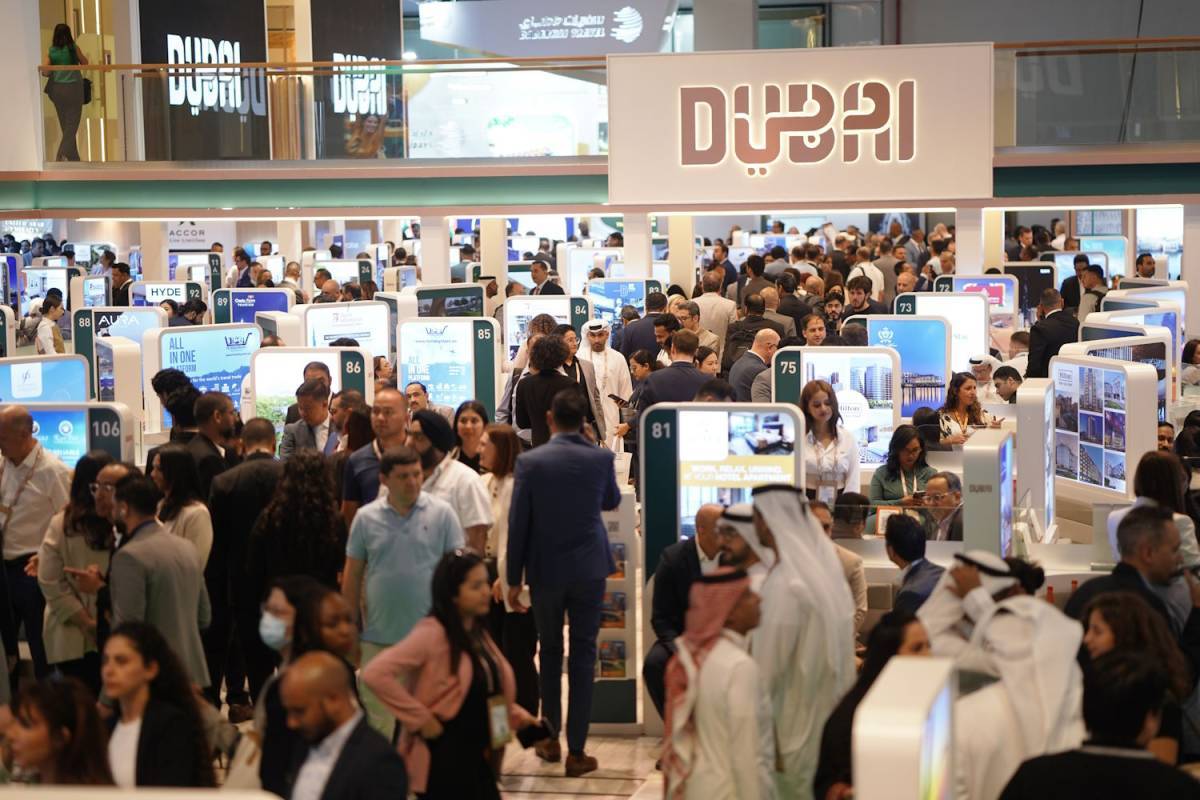
ATM continues to attract a diverse, senior level audience from across the global travel and tourism industry, creating a highly commercial environment centred on meaningful connections, strategic partnerships and tangible business outcomes.
While the value of face to face interaction remains unchanged, the profile of ATM’s attendees and buyer audience has become more sophisticated in recent years. Participants are increasingly focused on ROI, seeking more targeted meetings, higher quality buyers and clearer commercial outcomes – which has driven demand for pre scheduled appointments, curated networking and data led matchmaking.
As a result, exhibitors are looking beyond footfall alone. Success is increasingly measured by the quality of conversations, access to decision-makers, partnership opportunities and the ability to generate long-term commercial value. There is a stronger emphasis on measurable return, strategic alignment and building relationships that extend well beyond the event itself.
Attendees are also more engaged with how technology is reshaping the sector and are seeking practical insights they can apply within their organisations, leading to greater interest in conference content. Across the Global Stage, Future Stage and Experience Hub, the programme plays a pivotal role by offering thought leadership, expert perspectives on emerging trends and insights into innovation and growth strategies.
6. Travel technology is now central to every part of the sector. How are you seeing innovation reshape the ATM experience and the conversations taking place on the show floor?
ATM is rapidly becoming the launchpad for the future of global travel. It brings together senior leaders who aren’t just responding to change – they’re defining the future of travel, from AI powered journeys to fully connected, sustainable mobility ecosystems. It’s a high energy arena where breakthrough ideas and emerging technologies turn into real world progress.
Under the theme Travel 2040: Driving New Frontiers Through Innovation and Technology, ATM 2026 will push these conversations even further, exploring how AI, immersive digital experiences, smart mobility and sustainability led innovation are reshaping the industry.
Reflecting this future focus, ATM Travel Tech returns as a fully co located show, anchored by the new Tech & Innovation Zone – an immersive showcase of next generation solutions and forward looking insights. The Future Stage will unite innovators, futurists and disruptors to unpack the technologies and business models set to redefine travel.
Meanwhile, tools like ATM Meet will help exhibitors and buyers maximise ROI through targeted, pre scheduled meetings and data driven matchmaking.
7. Which trends do you think will dominate discussion this year, from AI and personalisation through to distribution, payments and sustainability?
From my perspective, the conversations shaping this year are really about the bigger forces influencing where travel is heading over the next decade. AI will certainly be part of that, but more in terms of how it helps create smoother, more intuitive experiences for travellers rather than the technical side. What I’m seeing is a growing focus on making travel feel more personalised, seamless, and end-to-end connected.
We’re also seeing a real push toward seamless digital payments and more connected distribution systems, because everyone wants travel to feel easier and more intuitive. Sustainability is shifting from a long term ambition to something that’s shaping decisions right now. And in this region especially, resilience and recovery are becoming central themes.
There’s a strong interest in how destinations and businesses can adapt more quickly, diversify, and build models better prepared for future challenges.
These aren’t just trends – they’re signals of an industry preparing for a different future, and that’s exactly what we’re seeing reflected across ATM.
8. The Middle East continues to strengthen its position as a global travel hub. How is that reflected in the scale and ambition of ATM today?
The scale and ambition of ATM today are a direct reflection of the Middle East’s rise as one of the world’s most influential tourism and aviation hubs. The region has made extraordinary progress through sustained investment in infrastructure, connectivity, hospitality and destination development, and ATM has evolved alongside that growth.
Today, ATM serves as a trusted platform for the industry, bringing together destinations, travel suppliers, hospitality brands, airlines, technology providers and buyers from across the UAE, GCC, the wider region and beyond. Its value lies not only in attendance, but in the quality of the conversations, partnerships and business opportunities it facilitates.
At its core, ATM provides a stable and reliable environment for the travel community to connect, exchange insights and explore opportunities for growth. As the industry navigates an evolving landscape, the event remains focused on delivering value through meaningful business connections, industry dialogue and collaboration. By bringing together every major segment of the travel ecosystem – from leisure and luxury travel to business events and travel technology – the event continues to support the growth and development of the sector while reflecting the changing needs of the industry.
9. How important is Dubai as the host city in helping ATM maintain its international relevance and draw?
Dubai is integral to the continued growth and global positioning of ATM. The city has established itself as one of the world’s most connected and forward-looking tourism destinations, supported by world-class infrastructure, exceptional global connectivity and a clear long-term vision for tourism and business events.
That momentum continues to accelerate. In 2025, Dubai welcomed a record 18.72 million international overnight visitors, underlining its strength as a global tourism and business hub and reinforcing its appeal to international travel brands, investors, buyers and industry leaders.
ATM’s growth has closely mirrored Dubai’s own rise as a global tourism and business powerhouse. Over the years, the event has become a key meeting point for the travel industry, bringing together destinations, travel professionals, industry leaders and innovators to connect, collaborate and explore new opportunities.
What makes Dubai particularly compelling is not only its success to date, but its ability to remain resilient, adaptable and future-focused. Through continued investment in infrastructure, technology, talent and sustainability, the city continues to strengthen its position as a hub for tourism and business events. ATM reflects that ambition by providing a platform for industry dialogue, partnership building and knowledge exchange that supports the ongoing development of the travel sector.
Beyond accessibility, Dubai also provides the ideal environment for the industry to connect, innovate and do business. Its ambition, diversity and commitment to delivering exceptional experiences continue to make it an ideal home for ATM and the wider travel industry.
10. What are you seeing in terms of appetite for luxury and high-end travel, and how is that influencing the way ATM continues to develop?
What we are seeing in terms of appetite for luxury and high-end travel is continued strong demand, but with a clear shift in expectations. It is no longer defined solely by premium products, but increasingly by personalisation, exclusivity and experiences that feel meaningful, seamless and tailored to individual travellers.
This is influencing how ATM continues to develop, placing greater emphasis on ultra-luxury and experiential travel as key growth areas within the show. These segments are becoming more central to how we reflect the evolving priorities of both travellers and industry stakeholders.
Alongside this, the conference agenda is being shaped to reflect these dynamics, with dedicated sessions exploring how luxury travel is being redefined, the rise of more purposeful, experience-led journeys, and the growing importance of sustainability in the high-end segment.
Some of the key sessions in this segment include Low-Impact Luxury: The New Standard for High-End Travel, organised by Skift Advisory, which will explore the future of sustainable, experience-led luxury travel. Also featured is From Rooms to Relationships: Building Total Guest Value in Experience-Led Destinations, examining how hospitality brands are using technology to deliver more personalised luxury experiences, strengthen guest loyalty and drive long-term growth.
11. Business events remains a major growth area. How important is that segment within the broader ATM proposition?
As demand for meetings, incentives, conferences and exhibitions continues to accelerate, particularly across the Middle East, this segment plays a key role in driving year-round tourism, high-value visitation and long-term economic impact for destinations.
ATM brings this community together in a highly commercial environment, connecting planners, buyers, destinations, venues and specialist suppliers to unlock partnerships and future opportunities. Within the Experience Hub, the focus will be on the conversations shaping the future of the sector, from innovation in event design and the growing role of technology, to sustainability, cultural relevance and the convergence of business and experiential travel.
Organisations such as the International Congress and Convention Association (ICCA) will host a high-level, buyer-focused session, “Beyond Borders: The Middle East’s Collaborative Vision for a Global Business Events Future”, alongside a programme of peer-to-peer discussions and roundtable conversations.
12. How do you ensure ATM remains useful for both established global brands and newer challenger players entering the market?
ATM’s strength lies in its ability to create value at every level of the industry. For established global brands, it offers scale, international reach, high-level networking and access to key decision-makers. For newer and emerging players, it provides visibility, market access and the opportunity to build partnerships that can accelerate growth.
By bringing the entire travel ecosystem together in one place, ATM creates an environment where both industry leaders and challenger brands can connect, innovate and compete on a global stage.
13. ATM has strong global reach, but also deep regional roots. How do you balance those two strengths in the way the event is programmed and positioned?
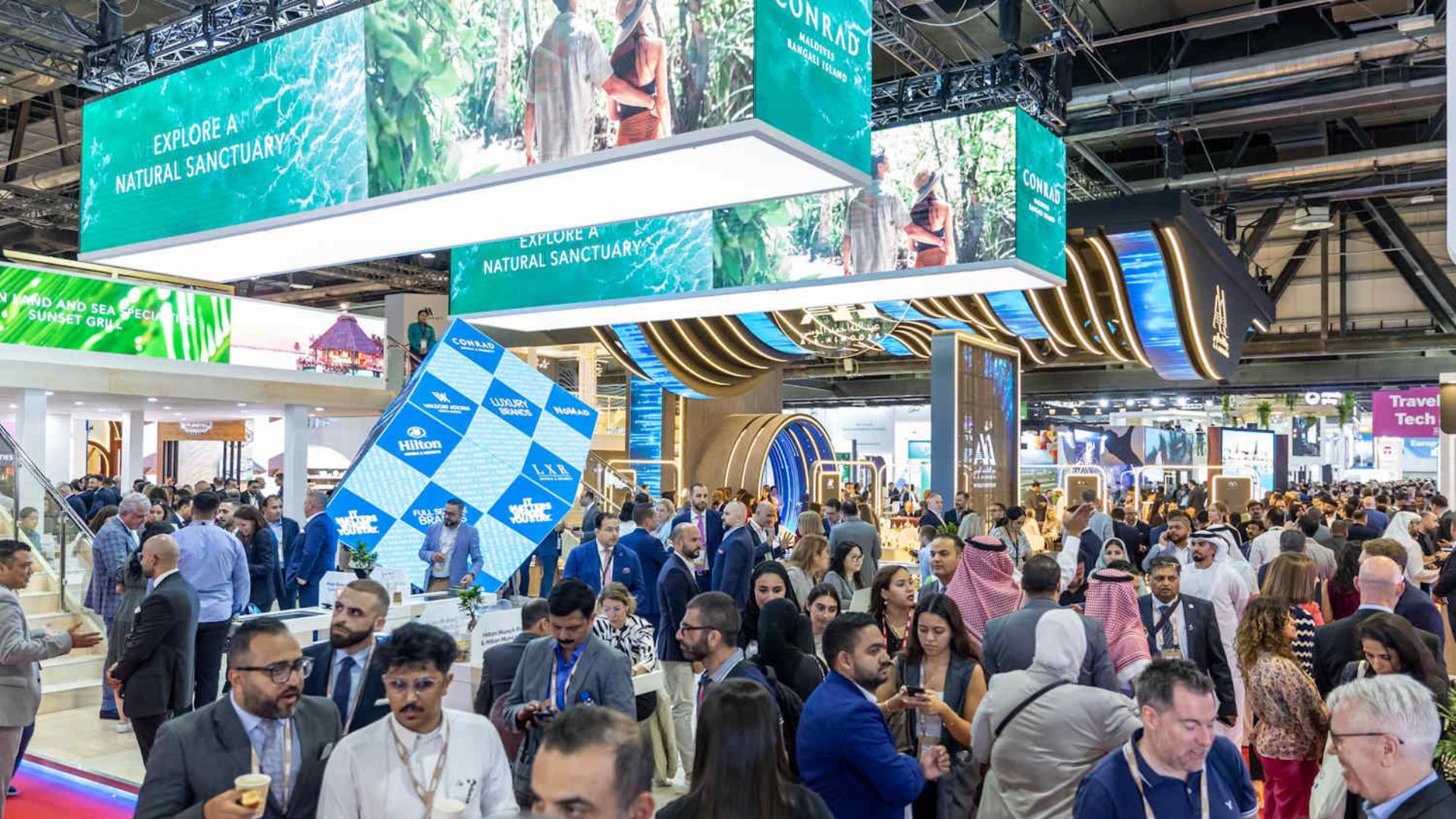
What makes ATM unique is the way it bridges international industry conversations with the realities and opportunities shaping the Middle East market. While the event welcomes travel professionals from more than 166 countries, the programme remains closely aligned with the sectors driving regional growth, from aviation and luxury tourism to business events, travel tech and emerging destinations.
Among the international and regional speakers already confirmed are Dr Marwan Alzarouni, CEO of AI at the Dubai Department of Economy and Tourism (DET); Jeremy Jauncy, Founder and CEO of Beautiful Destinations; Nick Kwek, BBC presenter and journalist; Sienna Parulis-Cook, Director of Marketing and Communications at Dragon Trail International and Virendra Jain, Founder of Videc. Together, they bring a wealth of expertise across artificial intelligence, destination marketing and travel innovation.
That balance ensures ATM remains internationally relevant while still reflecting the ambition, investment and momentum shaping this region’s tourism future.
14. Against a backdrop of wider geopolitical uncertainty, how has that changed the topics, programming and themes shaping this year’s event?
While the central theme remains firmly focused on innovation and future growth, there will be a stronger emphasis this year on recovery, agility and practical solutions to help businesses navigate a rapidly evolving environment. Recent regional and global disruption has reinforced the importance of resilience and long-term adaptability across the travel ecosystem, and this is reflected in the strategic direction of ATM 2026.
With more targeted, insight-led content across all stages, the event is designed to deliver actionable insights, future-focused perspectives and meaningful commercial opportunities at a particularly important moment for the sector. Key areas such as technology, sustainability, market diversification and evolving traveller behaviour continue to shape the agenda, ensuring ATM remains a highly relevant platform for dialogue, collaboration and progress.
15. What questions are you being asked by exhibitors, delegates and partners about stability in the region, and what reassurance can you give them around confidence, safety and the event experience?
The response from partners, exhibitors and delegates has been supportive, and we remain in close contact with all stakeholders to assist a smooth transition to the revised September schedule.
We are incredibly grateful to our strategic partners, including Dubai World Trade Centre, the Dubai Department of Economy and Tourism, IHG and Al Rais Travel, for their continued collaboration and support in making these revised dates possible. Together, we remain committed to delivering a world-class event that supports the continued growth and evolution of the global travel and tourism industry
Dubai and the wider UAE continue to demonstrate strong resilience, reinforcing the country’s position as a leading global hub for tourism and business events. With world class infrastructure and a proven track record of hosting major international gatherings year round, the market provides a solid foundation of confidence for our stakeholders.
This confidence is further reflected in recent updates to international government travel advice. The UK government has lifted its advisory against all but essential travel to the UAE, while Australia has lowered its travel warnings for several destinations across the Middle East, including the UAE. These developments provide additional reassurance for travellers, businesses and investors, reinforcing confidence in the region’s stability, connectivity and readiness to welcome international visitors and events.
Our priority remains delivering a trusted, high impact platform where the global travel community can connect, collaborate and drive meaningful business. To support this, we are refining our marketing strategy to ensure alignment with Dubai’s broader tourism objectives and to strengthen our reach across key source markets, helping secure high quality attendance.
16. Sustainability continues to move up the agenda. How is that conversation showing up at ATM in a more practical and commercially relevant way?
Sustainability has been a consistent focus at ATM and has evolved into a much more practical and commercially driven conversation. The emphasis today is less on broad commitments and more on how sustainability is being embedded into day-to-day business decisions across the industry.
At ATM, this is reflected in discussions that explore real-world applications, from more efficient operations and responsible destination development to innovations in aviation, hospitality and travel technology that support lower-impact growth.
There is also a stronger link to commercial outcomes, with buyers and exhibitors increasingly evaluating how sustainability influences investment decisions, partnerships and long-term competitiveness.
In that sense, ATM continues to provide a platform where sustainability is not just discussed, but actively connected to the business realities of the global travel industry.
17. When this year’s event is over, what do you most want people to say about ATM 2026?
That ATM 2026 stood out as a timely and unifying moment for the industry, bringing the global travel community together to exchange ideas, share perspectives and navigate a period of significant change with clarity and confidence.
For visitors, I would want it to feel like a place that broadens their perspective, offers meaningful insights, and helps them better understand where the industry is heading.
For exhibitors, it provided a valuable platform to engage with the right audiences, strengthen relationships, and gain visibility in a highly relevant global environment.
For partners, it reinforced ATM as a trusted, collaborative platform where ideas, priorities and opportunities come together to shape the future of travel.
Above all, we want the industry to have a sense of direction and optimism – a moment that helps reflect on where we are today and, more importantly, collectively define where we go next.