After shocking quarter, IBM insists that AI isn’t killing the mainframe
On Wednesday, IBM officially announced earnings and the news was as bad as everyone knew it would be.
Although the 115-year-old company is still generating tons of cash — $17.2 billion in revenue, $9.9 billion in gross profit, nearly 58% margins and $2.2 billion in net income for the quarter — its results fell far short of Wall Street expectations.
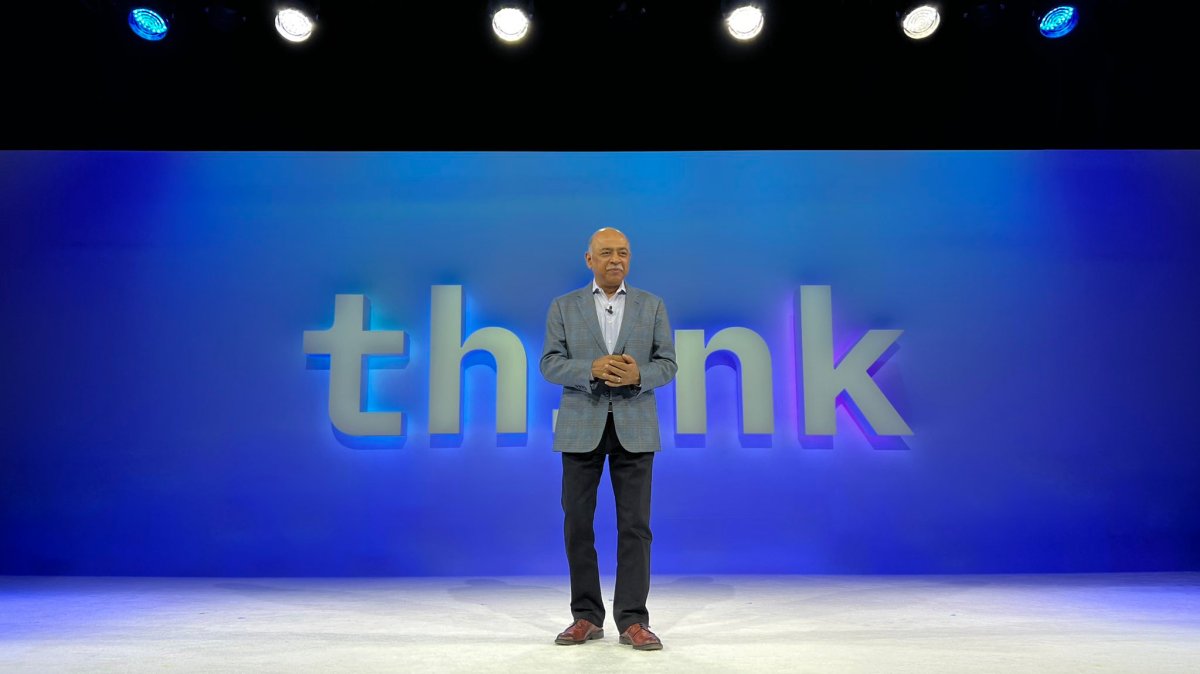
It was such a big miss that IBM CEO Arvind Krishna and the board took an unprecedented step by warning investors in advance that earnings were “worse than our expectations,” and giving everyone a sneak peek.
He published a ‘letter to investors’ shared preliminary results last week. It warned of dire earnings in the company’s all-important infrastructure category and said profit margins would also take a hit. The company’s shares immediately plummeted by 25%, it is the largest single-day drop ever. Until then, the stock had performed well under Krishna’s six-year leadership, buoyed by the AI data center boom that had lifted all boats.
On Wednesday, IBM also cut its full-year growth forecasts, meaning this terrible quarter would have an impact on the rest of the year. The perpetrator? IBM’s cash-cow mainframe business fell 42%.
That’s a cascading problem, because as CFO Jim Kavanaugh explained on the quarterly investor call, IBM earns $3 in software revenue for every $1 in mainframe hardware it sells.
However, the CEO and CFO insisted during the call that this was a temporary problem and that everything would be fine soon.
What happened, they said, was that “dozens” of customers who were scheduled to buy a new mainframe during the quarter chose not to. That may not sound like a lot of customers, but mainframes are systems that cost hundreds of thousands to millions of dollars, and with maintenance contracts and software, yield many millions more.
The same AI boom that raised IBM’s boat also sank it.
Instead of buying a new mainframe, these customers bought different hardware, Krishna explained. They faced astronomically high cost increases of 15% to 30% for data center equipment and PCs.
“When they were confronted with that problem, they decided to shift the budget to those areas where they had to pay that extreme price,” Krishna said.
Business hardware makers such as Dell and HP have warned that rising costs for components such as memory, caused by the boom in AI extensions, have forced them to raise prices. Apple has said the same thing.
But Krishna promised that those customers will eventually buy their new mainframes, along with their new software contracts. In fact, he said some of them have already done so this quarter. “We see no evidence of customers leaving the mainframe,” he said.
We’ll have to wait and see. But the tech industry has been predicting the death of the mainframe for decades. Maybe even AI won’t kill it.
When you make a purchase through links in our articles, we may earn a small commission. This does not affect our editorial independence.