Brazil’s chance to be a SAF powerhouse | News
The International Air Transport Association (IATA) highlighted Brazil’s ability to become an SAF powerhouse at its 82nd Annual General Meeting in Rio de Janeiro, Brazil. This would make Brazil a key player in decarbonizing air transport, strengthening energy security and growing Brazil’s economy.
Key points to consider include:
Airlines will need approximately 500 million tonnes (Mt) of SAF to achieve net zero carbon emissions by 2050.
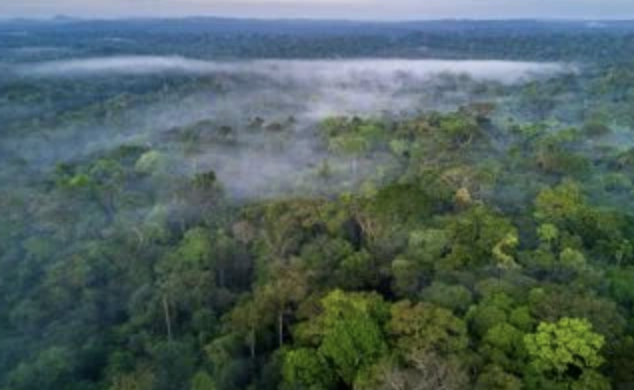
Brazil has one of the world’s largest biomass feedstock potentials, approximately 180 million tons in 2050, which could generate approximately 60 million tons of SAF.
By 2030, the amount of sustainably produced sugar-based ethanol in Brazil, as well as the raw materials of new and waste oil, could reach approximately 18 million tons, translating into approximately 12 million tons of SAF production potential. That amounts to five times the estimated global SAF production in 2026 of 2.4 million tons.
Currently, Brazil has approximately 15 SAF projects in progress. When complete, this would bring approximately 2 million tons of SAF online.
“Brazil has all the ingredients to be a global SAF powerhouse. It has one of the cleanest electricity mixes in the world and abundant raw materials. Furthermore, as the world’s second largest producer of liquid biofuels, the country benefits from deep expertise and developed infrastructure. Brazil has a real opportunity to be a global leader in aviation decarbonization. Embracing this opportunity will create jobs, reduce dependence on foreign fossil fuels, build new energy and agricultural industries, and grow the economy. With the right policies implemented in In the right order, Brazil is ready to kick-start the market,” said Willie Walsh, Director General of IATA.
Competitive advantages and economic benefits
In addition to the availability of raw materials, Brazil’s experience in ethanol production and its established refining base provide the country with several competitive advantages. Together, this creates a strong foundation for scaling up HEFA (Hydroprocessed Esters and Fatty Acids) and other advanced SAF routes, especially ethanol-to-jet, and could enable Brazil to become a net exporter of SAF.
The economic benefits can be transformative. New industries and markets would emerge in a value chain that would span agriculture and raw material development, logistics, infrastructure, refining, advanced fuel production and new export products. This would support jobs, energy security and independence, better soils, greater natural capital and stronger local communities.
Realizing Brazil’s potential
SAF production in Brazil is still in its early stages. Achieving scale requires the following:
Infrastructure: deployment of conversion technologies, investments in infrastructure and improved logistics to connect raw material supply with production facilities.
Policy incentives: Policies should enable success with targeted production incentives, support stronger financing mechanisms, and align with global sustainability standards.
Book-and-Claim approach: Measures to establish a book-and-claim system, based on tradable SAF certificates, will play an important role. Encouragingly, Brazil’s Fuel of the Future framework – ProBioQAV – will include these in addition to the requirements for the use of SAF by airlines. This approach will make crucial connections with global frameworks such as CORSIA. Sequencing is critical to ensure that sufficient SAF is available before uses occur.
“Brazil has many advantages – both in terms of natural resources and extensive experience – that should give the country a world-leading role in SAF markets. The scale of Brazil’s potential is such that the economic rewards could be transformative. Applying proven policies in the right order is necessary to achieve scale and the price reductions that come with it, but rushing to build supply chains and immediately demanding mandates will not do that. Aligning policies with global standards and programs like CORSIA will enable Brazil to make the most of its great potential,” said Marie Owens Thomsen, IATA’s Senior Vice President Sustainability and Chief Economist.