IATA AGM 2026: The European aviation industry faces a summer full of contradictions | News
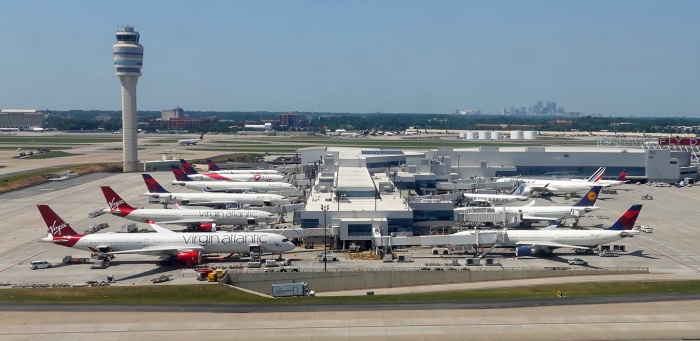
The mood surrounding European aviation at the IATA annual general meeting in Rio de Janeiro is one of cautious optimism, tempered by growing frustration.
Airlines are preparing for another busy summer. Demand for passengers remains high. Planes are full. Airports are busy. But beneath the surface, many of the industry’s biggest challenges are becoming more urgent rather than disappearing.
Speaking at the AGM, IATA’s Regional Vice President for Europe, Rafael Schvartzman, painted a picture of an industry being squeezed from multiple directions. Geopolitical instability, rising fuel prices, border delays, taxes, sustainability costs and airport charges all converge at a time when Europe is trying to maintain its competitiveness in an increasingly connected global marketplace.
The result is a sector that remains resilient, but is increasingly vocal about the policies that shape its future.
No one expected the summer delay
For much of the past two years, European aviation has enjoyed a remarkable post-pandemic recovery story.
That momentum is starting to cool.
According to IATA, growth in European revenues per passenger kilometer slowed to just 0.8% in April, a dramatic moderation from the growth rates airlines have become accustomed to. The organization links much of this slowdown to the impact of the conflict in Iran and the resulting increase in jet fuel prices. Growth in planned seat capacity across Europe has also effectively come to a standstill in the run-up to the peak summer months.
Still, the slowdown should not be confused with weakness.
Airlines continue to expect a busy summer season, with demand remaining robust enough to maintain full aircraft numbers in many markets. The challenge is that it is becoming increasingly difficult to generate growth and more expensive to maintain.
One of the more interesting shifts highlighted by the IATA is where Europeans choose to travel.
Booking patterns suggest travelers are staying closer to home. Data on bookings made in March and April for travel between June and September shows that travel within Europe is holding up relatively well, while bookings for destinations outside Europe have weakened.
In an era marked by geopolitical uncertainty, consumers appear to be responding with a preference for familiarity and shorter trips.
The European border problem refuses to go away
While airlines worry about fuel prices and demand patterns, passengers face a more immediate challenge.
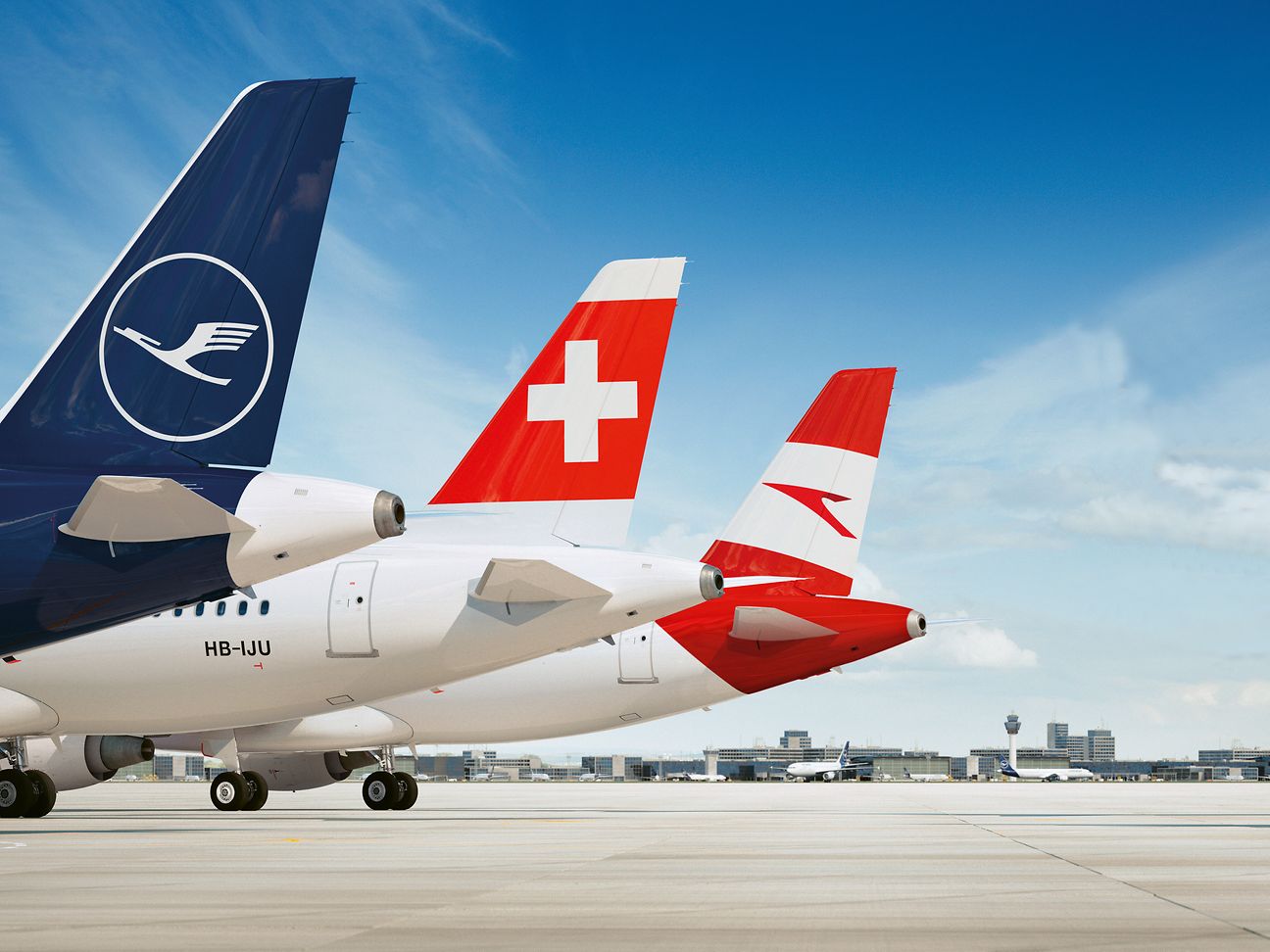
Queues.
The long-delayed European Entry-Exit System (EES), designed to modernize border management across the Schengen area, remains one of the industry’s biggest operational concerns.
IATA warns that delays and missed connections are already occurring in several European countries, including Spain, Portugal, Italy, Greece and Belgium. The organization fears that the situation will deteriorate significantly during the summer travel peak unless corrective measures are taken.
The message from the sector is unusually direct.
Governments must ensure that border posts have sufficient staff. Electronic kiosks and automated gates must actually work. Authorities should suspend EES checks before queues become excessive. Airports, airlines and governments should jointly establish performance indicators that trigger temporary suspensions when congestion reaches unacceptable levels.
The advice for travelers is simple: arrive much earlier than usual.
IATA advises passengers to take the system into account between two and three hours before departure.
For a continent that has spent decades working to make travel faster and smoother, this marks an uncomfortable step backward.

The battle for passenger rights worth €8 billion
Few regulatory issues cause as much emotion within European aviation as the EU261.
Passenger compensation regulations have become one of the defining features of European air travel, providing some of the strongest consumer protections in the world.
Airlines claim it is no longer fit for purpose.
Negotiations to reform the legislation are at what IATA describes as a crucial stage, with the industry warning that proposed changes risk completely missing the original objectives.
The core of the dispute is the right to compensation.
Today, airlines face compensation obligations when delays last longer than three hours. IATA says this threshold actively encourages airlines to cancel flights rather than attempt to operate them with significant delays.
The industry wants the threshold to be increased to five hours. European governments have proposed four hours. The European Parliament continues to support three hours.
The financial interests are significant.
According to IATA, the EU261 costs airlines around €8 billion annually, despite 99% of passengers never receiving compensation. The organization says the regulations are failing to improve operational performance while having unintended consequences for airlines and connectivity.
The debate ultimately raises a broader question.
How should Europe balance passenger protection with airline competitiveness at a time when airlines face increasing operational and geopolitical pressure?
A tale of two tax policies
If there was one area in which European governments received both praise and criticism in Rio, it was taxation.
According to the IATA, some countries are beginning to recognize the economic value of aviation connectivity.
Others are moving in the opposite direction.
Sweden’s decision to abolish air ticket taxes has been welcomed across the industry. Germany followed suit with modest airfare tax cuts from July, lowering short-, medium- and long-haul fares.
The contrast with France and the Netherlands could hardly be greater.
France has increased its solidarity ticket tax despite stagnant growth in connectivity. The Netherlands is seeking substantial increases in passenger taxes, with some routes facing increases of up to 140%.
The disagreement reflects a broader ideological divide.
Governments increasingly view aviation as a source of environmental and fiscal revenue. Airlines view taxation as a direct attack on connectivity, competitiveness and economic growth.
Neither side seems willing to compromise.
The uncomfortable reality of sustainability
Perhaps the most revealing discussion during the AGM was about sustainability.
Europe has positioned itself as a global leader in aviation decarbonization. Airlines are increasingly wondering whether the current policy actually produces the desired results.
The IATA’s assessment is blunt.
The organization argues that key European sustainability measures, including the emissions trading scheme and the ReFuelEU programme, are damaging competitiveness without accelerating decarbonisation at the required pace.
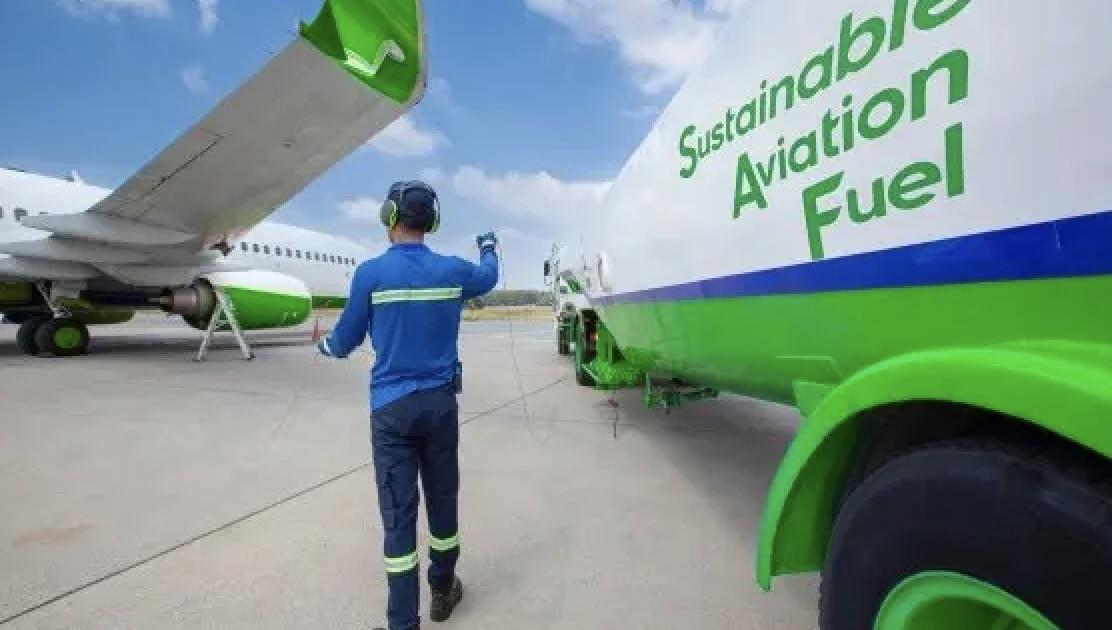
The central challenge remains sustainable aviation fuel.
Mandates have been introduced. Objectives have been set. Yet production remains limited and costs remain extremely high.
According to IATA, ReFuelEU has created conditions where the cost of SAF can be more than five times that of conventional fuel, while failing to generate sufficient supply growth.
The industry’s preferred solution is a “Book and Claim” system.
Such a framework would allow airlines to purchase SAF where it is produced most efficiently while claiming the emissions reductions regardless of where the fuel is physically sourced. Airlines claim this would create a more liquid global market and free up additional investment in production capacity.
The debate highlights one of aviation’s biggest challenges.
Everyone agrees on the destination. The roadmap remains fiercely controversial.
The Heathrow question returns
No discussion about the competitiveness of European aviation would be complete without Heathrow.
Britain’s largest airport once again found itself at the center of industry criticism.
IATA says Heathrow’s fare structure remains among the highest in the world and continues to undermine both passenger value and wider UK competitiveness. The organization welcomed recent indications from the UK Civil Aviation Authority that regulatory reform may be necessary, especially as discussions about future expansion continue.
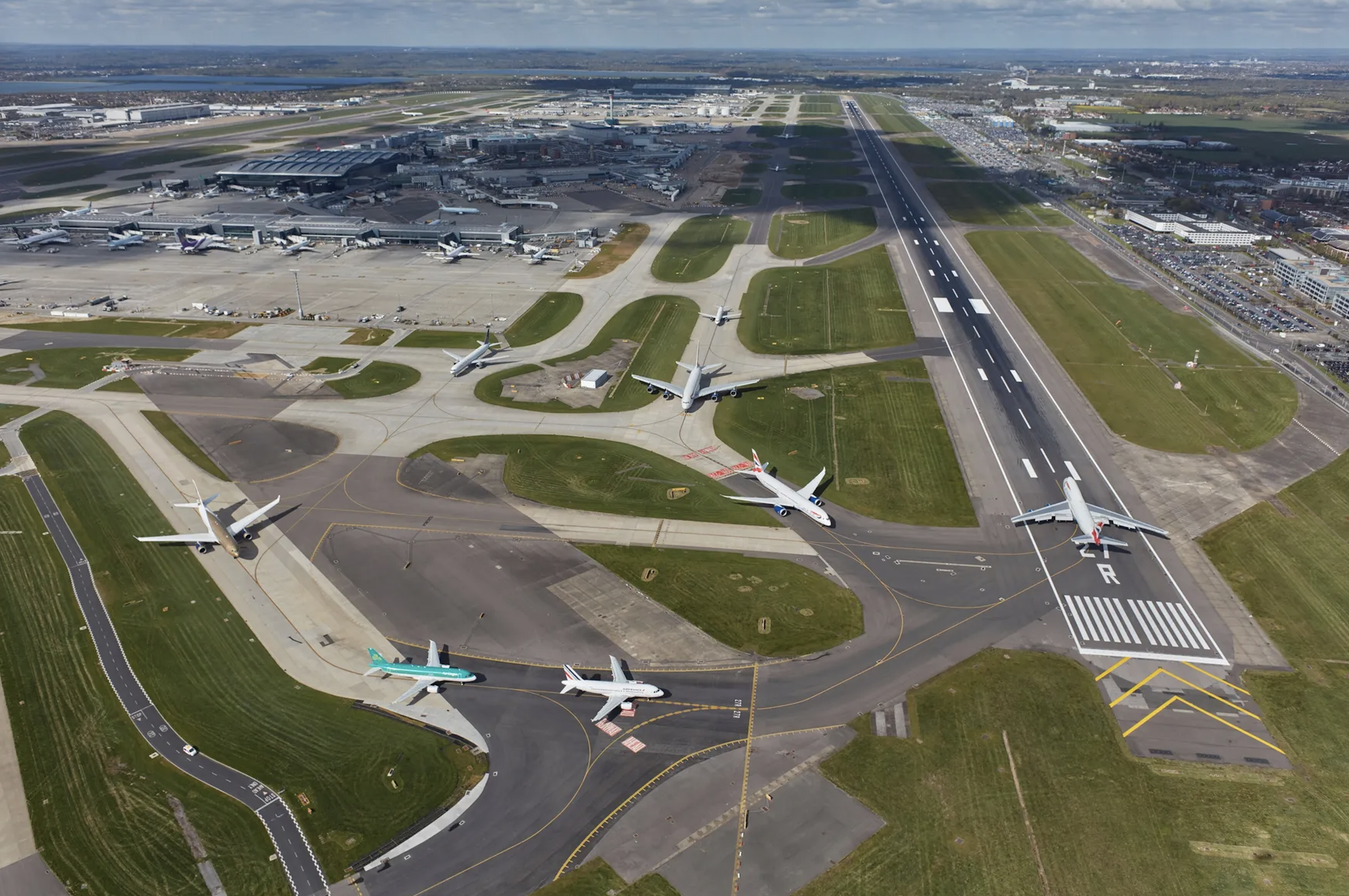
Concerns extend beyond Britain.
Amsterdam Schiphol rates have doubled since 2019 despite a recently announced temporary discount. The Spanish regulator has now opposed some proposed increases from airport operator AENA.
For airlines faced with higher fuel bills, the additional airport costs are becoming increasingly difficult to absorb.
Is Europe approaching a competitiveness tipping point?
The most striking takeaway from Rio was not an individual policy debate.
It was how often the word “competitiveness” popped up in all of them.
Whether it concerns border controls, passenger rights, taxes, sustainability or airport charges, European airlines increasingly see themselves operating in a policy environment that places additional burdens on growth.
Many of those policies have valuable objectives. Consumer protection. Environmental responsibility. Security. Tax income.
The challenge is cumulative.
Taken in isolation, each measure seems manageable. All told, airlines argue that they risk eroding Europe’s position in global aviation.
That leaves a question hanging over the sector as another busy summer begins.
Europe remains one of the largest and most advanced aviation markets in the world. It continues to experience extraordinary demand, producing world-class airlines and globally connected hubs.
But in a world where aviation growth is increasingly shifting to the Gulf, India and Asia-Pacific, can Europe continue to add costs, taxes, regulations and complexity without ultimately sacrificing competitiveness?
That could well become the next big debate in European aviation.
And unlike a delayed flight, it is a flight that cannot be postponed indefinitely.
Justin Cooke BTN Editor-in-Chief