William Shakespeare’s ‘missing’ home is finally found – more than 400 years after he died
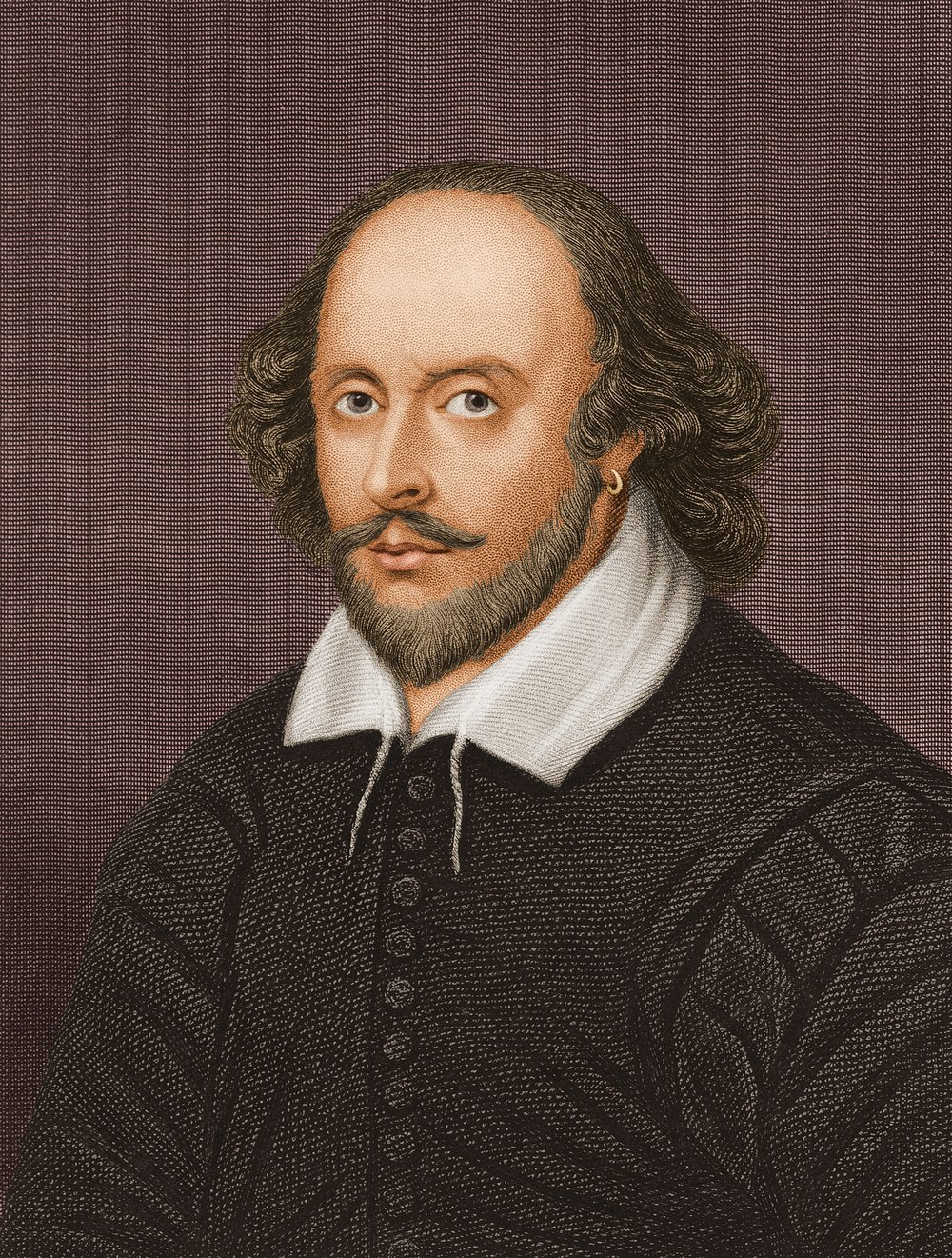
An age-old mystery involving William Shakespeare and the only property in London he had ever purchased before his death in 1616 has finally been resolved.
The famous playwright was famously born in Stratford-upon-Avon, about 100 miles outside the city, where he would later become known as one of the country’s greatest writers. He wrote plays such as ‘Romeo and Juliet’, ‘Hamlet’, ‘A Midsummer Night’s Dream’ and ‘The Merchant of Venice’, many of which are still studied and performed to this day.
Shakespeare would go on to become one of the most recognizable names in English literature and theater; However, much of his personal life remains a mystery, one that has plagued academics for centuries.
A key question in that riddle was what Shakespeare planned to do with his life after he stepped back from writing and acting in plays around 1613, when he also reportedly purchased a property in London – a property that had never before been identified. Until now.
According to Lucy Munroa professor of Shakespeare and early modern literature at King’s College Londonis the question of ‘why art’ is in the playwright’s home, answered in the form of property documents she unearthed from the London Archives and the National Archives while researching a separate project.

These documents, Munro has now revealed, detail not only the exact location of Shakespeare’s London residence – which was at an address in Blackfriars, just across the Thames from the iconic Globe Theatre, where the playwright performed many of his works – but also the layout and design of the home.
“I was doing research as part of a larger project and couldn’t believe it when I realized what I was looking at: the floor plan of Shakespeare’s Blackfriars house,” the professor revealed in a statement.
Munro added that many experts in her field “assumed there wasn’t much more evidence to be gathered” about Shakespeare’s home, noting that she believes this is why the documents had never been excavated before.
“It was felt there wasn’t much more evidence to gather about it, so the investigation into it lay dormant for a while,” she said. “These findings really help us tell the complete story of Shakespeare’s Blackfriars house and thanks to this new discovery we now know exactly where it stood.”
Munro’s discovery also puts an end to centuries of speculation that suggested Shakespeare’s house was near a structure called “the Great Gate,” which was part of a 13th-century Dominican monastery.
For many years a blue plaque proudly hung on a wall at 5 St. Andrew’s Hill, a street in Blackfriars, which read: “On March 10, 1613, William Shakespeare purchased lodgings in Blackfriars gatehouse, near this spot.”
However, according to Munro, Shakespeare’s house was not ‘near’ where the plaque is now mounted, but exactly where it had stood for so many years, at 5 St. Andrew’s Hill.


As part of her findings, the academic discovered a plan of Shakespeare’s home drawn in 1668. And while it does not include the exact layout of each room, it is clear that the house was large enough to have been divided into two separate properties about thirty years after the writer purchased it.
The research also sheds new light on the final years of Shakespeare’s life, and casts serious doubt on the common assumption that he intended to leave London and retire full-time to Stratford-upon-Avon, where he shared a house with his wife. Anne Hathawayand their three children.
“This discovery calls into question the story that Shakespeare simply retired to Stratford and stopped spending time in the town,” Munro noted.
‘It is sometimes thought that he bought his Blackfriars property purely as an investment, but we do not know whether this is true, or whether he never used it for himself.
‘After all, he could have bought an investment property anywhere in London, but this house was close to his workplace at the Blackfriars Theatre.’
Munro added that Shakespeare was known to have co-authored at least one play – ‘Two Noble Kinsmen’ – in late 1613 and explained that this work, combined with his purchase of a “substantial” residence in London, suggests that he intended to spend sufficient time in the city and continue to produce plays.
“We know that Shakespeare co-wrote ‘Two Noble Kinsmen.’ John Fletcher later in 1613, and this new evidence that the house of Blackfriars was quite substantial makes it not inconceivable that some of it could have been written on this property,” she said.
‘We also know that Shakespeare visited London in November 1614. Isn’t it likely that he stayed in his own house?’