Poland will become one of the twenty largest economies in the world by 2026
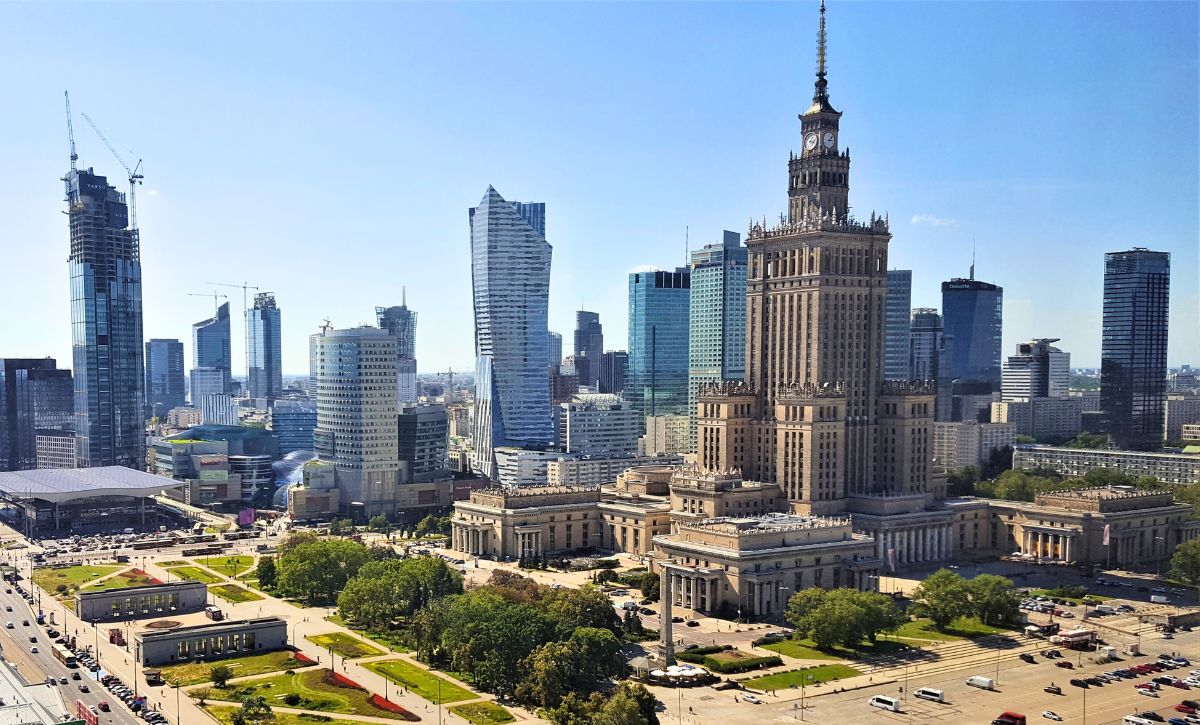
Poland has joined the world’s twenty largest economies, marking one of the most dramatic economic transformations in modern Europeaccording to recent reports from The Associated Press and confirmed by data from analyzes by the International Monetary Fund and the World Bank.
Once struggling with post-communist deficits in the early 1990s, Poland now generates more than $1 trillion in annual output, surpassing economies such as Switzerland. Economists increasingly point to the country as a model for sustainable, inclusive growth within the European Union.
From post-communist collapse to growth champion
Poland’s economic trajectory has been shaped by Consistent growth averaging almost 4% per year since joining the European Union in 2004which performed significantly better than the EU average. This is evident from estimates by the IMF Poland’s GDP per capita has risen to about $55,000, almost matching that of advanced economies like Japan when adjusted for the cost of living.
Experts attribute this increase to structural reforms, strong institutions and EU integration. Marcin Piątkowski, an economist at Kozminski University, emphasized the importance of governance, saying Poland “downloaded the institutions and the rules of the game” from Western economies, ensuring stability and investor confidence.
Parallel, billions of euros in EU funding and access to the internal market accelerated infrastructure development and trade expansionstrengthening Poland’s economic resilience even during global recessions.
Innovation and talent drive the next phase
In addition to production and foreign investment, Poland is increasingly positioning itself as a hub for advanced technology. Cities like Poznań are investing heavily in artificial intelligence and quantum computing, supported by EU-backed research initiatives.
Joanna Kowalska, an engineer who returned to Poland after working in the United States, highlighted the shift: “We are ahead of the United States in so many areas,” she said, pointing to rapid progress in AI development and a growing sense of purpose among professionals returning home.
This trend is in line with broader trends Reports from the European Commission noticing an increase in highly skilled workers and a strong education systemwith almost half of young Poles having obtained a university degree – one of the highest figures in Europe.
Entrepreneurship and industrial transformation
Poland’s private sector has also played a crucial role. Companies like Solaris, a leading manufacturer of electric buses, illustrate how The early adoption of green technologies has placed Polish companies at the forefront of the European energy transition.
Industry analysts note that Poland’s willingness to take calculated risks – especially in emerging sectors such as electric mobility – has allowed domestic companies to compete with larger Western counterparts.
Challenges for the future: demography and inequality
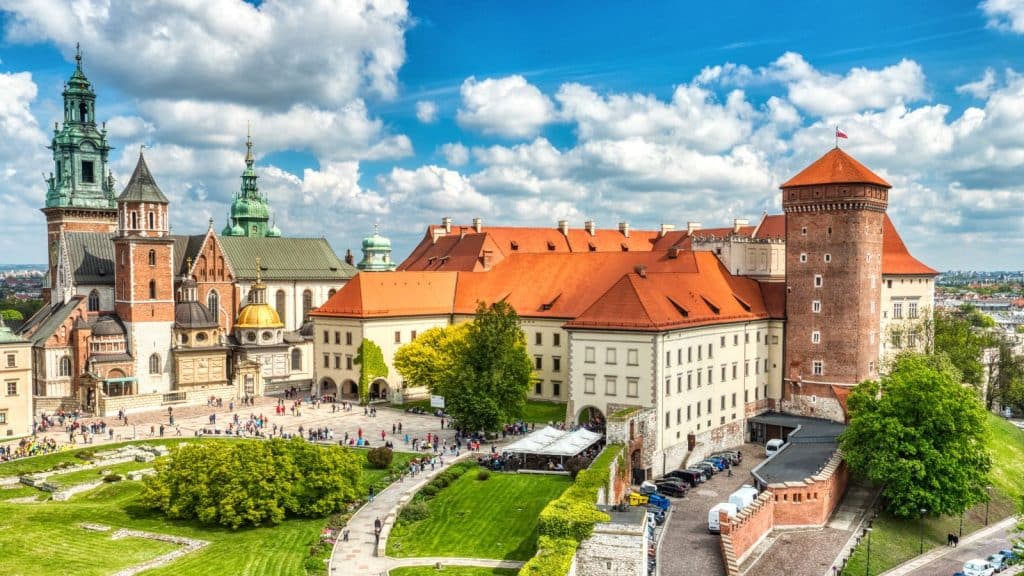
Despite its success, Poland faces structural challenges. An aging population and a declining birth rate threaten the long-term labor supplywhile wage levels still lag behind those of Western Europe.
In addition, economists warn of persistent regional inequalities and housing affordability problems, which mainly affect younger generations. Migration is increasingly seen as part of the solution, with millions of Ukrainian workers contributing to the economy since 2022.
Poznań Mayor Jacek Jaśkowiak underlined the next stage of development, stating that “now is the time to start such advanced activities here,” emphasizing investments in innovation and higher education.
A model for emerging economies
Poland’s rise is now being closely studied by policymakers worldwide. The combination of institutional reforms, EU integration and human capital development provides a blueprint for other emerging economies seeking long-term growth.
As global economic power gradually shifts, Poland’s rise signals not just national success but a broader rebalancing within Europe itself.
Sources
- The Associated Press (via NBC News)
- International Monetary Fund (IMF) – World Economic Outlook Database (GDP, per capita data)
- World Bank – Economic overview of Poland
- European Commission – Poland – Economic and investment reports
- OECD – Economic studies: Poland
- Reuters – Macroeconomic context and growth comparisons in the EU