‘Checkout charity’ requests often backfire, leaving shoppers feeling guilty: new study
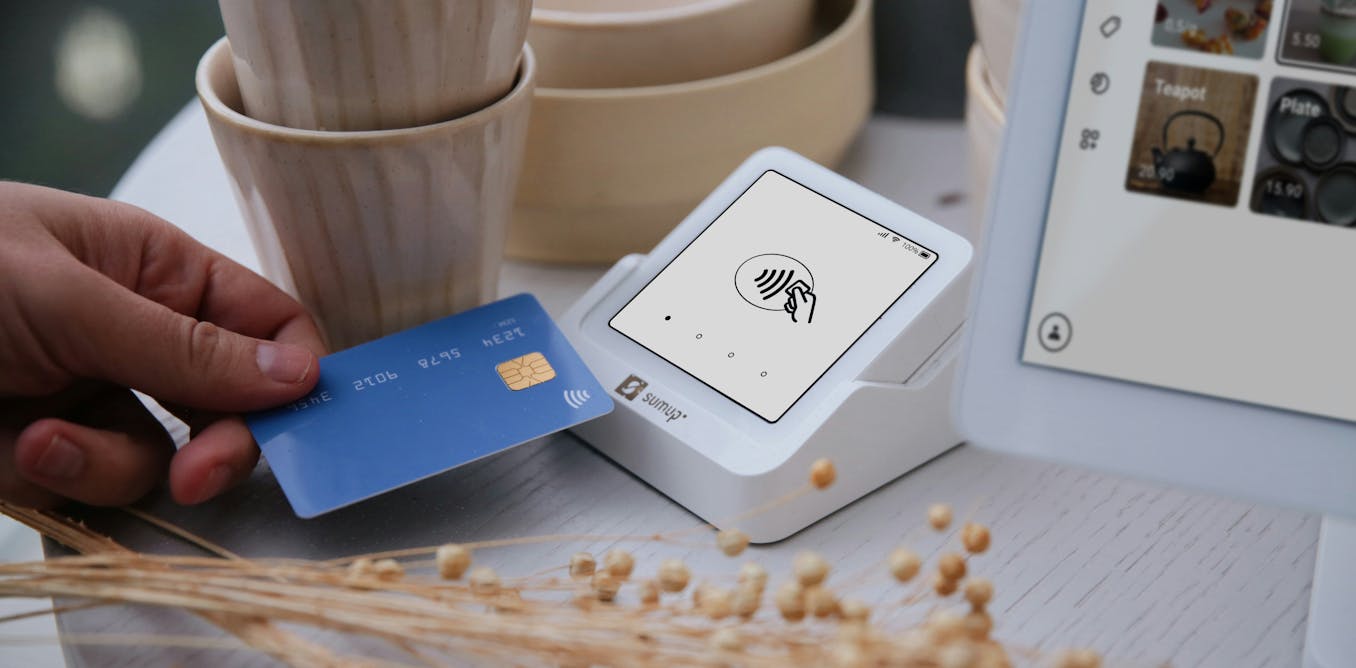
“Would you like to donate €2 to a good cause today?”
If you’ve been holiday shopping this season, you’ve probably heard this question and may have felt pressured to donate money amid a cost-of-living crisis.
More and more stores are now asking customers to donate money at the checkout. This is a practice called “checkout charity,” in which cashiers ask for a small donation to charity, just as customers pay for their own purchases.
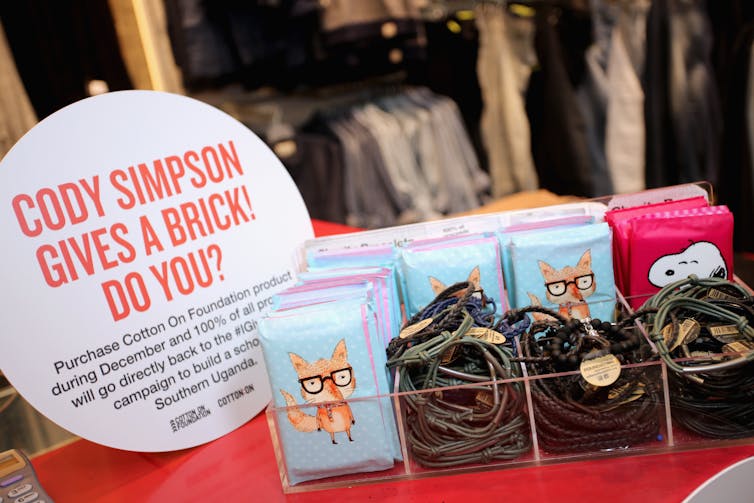
The strategy appears to be working, given the fundraising success of global retailers. In Australia, for example, clothing retailer Cotton On has raised around A$20 million through charity campaigns at the checkout in its stores by 2024 alone.
In the United States, pizza chain Domino’s has raised more than US$126 million ($190 million) for St Jude Children’s Research Hospital over the past two decades by inviting customers to settle their bills and donate to the charity.
On the surface, charity at checkout seems like a win-win-win: charities get money, companies look caring, and customers get the chance to do something good.
However, recent studies abroad suggest that there may also be a dark side to these requests. This observation prompted us to delve deeper into this phenomenon and investigate whether it could be having a counterproductive effect on retailers (and charities) in Australia.
Christmas spirit or fear at the checkout?
Are customers actually happy when they are asked to make a donation at the checkout? Our newly published research shows that many don’t.
Instead, they often feel pressured, guilty, anxious, and forced to make a decision they didn’t intend to make, or feel like the Grinch if they don’t.
But what happens when doing good starts to feel bad? After all, when charity requests at the checkout create negative feelings, they have to go somewhere. They may be forwarded to the retailer – or to the cashier standing right in front of you.
This led us to investigate whether well-intentioned cash register donation campaigns can backfire, why this happens and how this process unfolds in practice.
What we studied
This year we conducted a survey among 329 consumers, in which we confronted them with a donation scenario at the checkout. We then asked them how they felt, what they thought, how likely they were to donate to the charity, how they felt about the store, and whether they planned to return to this specific store in the future.
The results of our research were clear: well-intentioned donation requests can backfire. Some consumer responses included:
The supermarket has a lot more money than I do. Why am I expected to make a donation?
I feel like they are using the social construct of societal shame to force people to donate.
I generally don’t donate to them because I don’t know exactly how the stores split the money.
When we looked at how these feelings influenced behavior, we found that consumers who experienced negative emotions as a result of being asked to make a donation at the checkout:
- less willing to donate
- less satisfied with their shopping experience, and
- more critical of the retailer.
These are outcomes that retailers and charities should least want.
Warm glow or cold skepticism?
Charity requests at the checkout require customers to make a decision quickly, often with a line of shoppers behind them, and in the presence of a cashier.
Rachel Murray/Getty Images
This creates both time pressure (feeling rushed) and social pressure (feeling judged), two factors that can make customers feel bad. The result is that they are less likely to experience positive emotion when doing a good deed – or what researchers call the “warm glow” effect.
The inconvenience of the charity request at the checkout makes customers more skeptical and they begin to doubt the real motives behind the request.
Comments from our surveyed consumers indicate that many suspect the company is trying to improve its public image rather than actually helping those in need. Some believe (wrongly) that companies receive tax benefits from customer donations. Others worry that not all the money will reach its intended purpose.
In short, charity campaigns at the checkout can backfire for both retailers and charities.
How to ensure charity works better at checkout this Christmas
The good cause of the cash register does not have to fail.
Our findings suggest that stores should introduce donation request information through posters or flyers early in the shopping journey so that customers are not surprised at checkout and feel less time pressure. Woolworths followed this approach with its Easter appeal, indicating in advance that shoppers could donate at the till.
Retailers can design payment screens that allow customers to choose privately, reducing the feeling of being watched or judged and the resulting negative sense of social pressure. Supermarkets have started to put this into practice at self-service checkouts.
Campaigns can also use emotionally compelling stories to show who is being helped, rather than just presenting cold, hard numbers.
Most importantly, companies must communicate clearly and transparently about how the money is raised, where it goes and what impact it has, reducing customer skepticism and restoring trust.