WTTC encourages Barcelona to reconsider proposed increase in tourist tax for cruises | News
The World Travel & Tourism Council (WTTC) has expressed concern over proposals to increase Barcelona’s tourist tax on short-stay cruise passengers, warning that the measure could weaken the city’s competitiveness and have unintended consequences for the local economy.
Gloria Guevara, president and CEO of WTTC, said:
“While we understand the complex challenges associated with managing a world-class destination, the proposal to increase the tourist tax on short-stay cruise passengers could place Barcelona at a competitive disadvantage compared to other Mediterranean ports.
Barcelona has achieved remarkable success over many years and established itself as a world leader in tourism. However, we are concerned that these important achievements, together with the widespread economic benefits they bring to the local community, could be inadvertently undermined by this increase.
Evidence collected by WTTC in other destinations shows that sudden tax increases rarely produce the intended results. For example, the UK economy could be at risk of losing at least £14 billion in international visitor spending if daily visitor taxes of €10 were introduced. Additional costs for visitors to Barcelona would likely reduce the cruise industry’s overall economic contribution as tourists adjust their spending habits on shore. This in turn could potentially lead to job losses, which would impact local employment and job creation within the city’s service sectors.
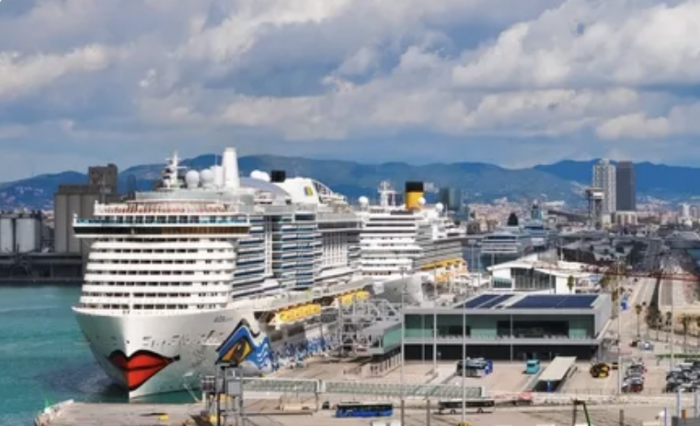
In a city like Barcelona, one of the world’s largest cruise home ports, which welcomes around 4.0 million passengers annually and generates an average local expenditure of around €255 per home port passenger, one of the highest in the world, the wider impact of such measures could be particularly significant, not only in terms of visitor demand, but also in the fiscal contribution that supports local and regional economies. The cruise industry alone contributed €11.9 million in taxes to Barcelona City Council in 2024.
WTTC highlights their wider role within the tourism ecosystem, as research from CLIA (Cruise Lines International Association) shows that more than 60% of cruise travelers return to destinations they first discovered through a cruise, underscoring the sector’s role as a gateway for future visits.
At the same time, Barcelona is already experiencing a broader decline in international travelers due to global economic pressures. Recent trends point to declining demand, including a 3.3% decline in transit cruise passenger numbers by 2024, while modest international spending growth forecasts of just 2.7% in 2025 place the city behind other major European destinations.[1]. Introducing even more barriers could create an unwelcome domino effect in the wider tourism ecosystem, affecting everything from local suppliers to transport providers.
We believe that long-term sustainable growth in any major destination depends on effective, proactive planning and deep engagement of public and private stakeholders at all levels. Rather than introducing these taxes, we recommend that the local government work closely with the tourism sector to find balanced solutions that support both the city’s sustainability goals and its vital economic interests. To this end, the World Travel & Tourism Council stands fully ready to work with all relevant local and international stakeholders to help identify the best path forward for Barcelona, and act as a partner to ensure the city remains a thriving, competitive and welcoming global hub.
Evidence shows that the future of sustainable tourism cannot be built on short-term budgetary adjustments. It requires robust long-term planning, meaningful consultation with the travel industry and active involvement of stakeholders at every level. By bringing together the private sector, local communities and government agencies, destinations can co-design holistic strategies that protect local infrastructure without dismantling the economic engine that drives prosperity and employment for Barcelona’s local community. This approach ensures that the city remains good for its residents and good for travelers.”
[1] Source: Oxford Economics