World Cup 2026: Heat experts warn ‘reckless’ Fifa of bottle ban health risk
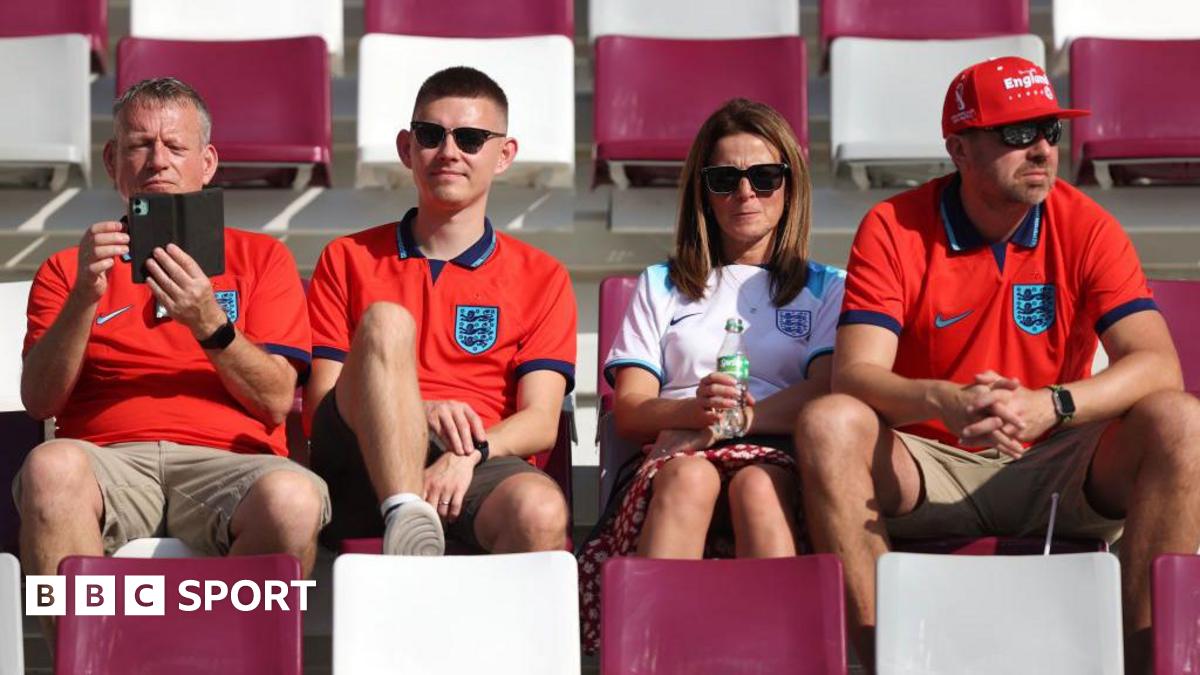
Fifa have responded to heat safety concerns by introducing one three-minute hydration break in each half for every game at the tournament.
But Ollie Jay, a professor of heat and health at the University of Sydney, says he is more worried about spectator welfare than that of players.
“If you look at the athlete population, all of them are very fit,” Jay said.
“Whereas if you think about the spectators, you’ve got a broad range of different people that will be attending, from young kids to elderly people, people with chronic diseases, people taking different types of medications – all of which results in different levels of heat sensitivity.
“Your average spectator is probably going to be less resilient to the heat than these highly-conditioned professional athletes.”
He warned that heat strain could accumulate progressively as fans are exposed to heat on their journey to the game and risk arriving at the stadium in a state of dehydration.
“It’s not just the temperature that we need to be concerned about,” Jay added.
“If you think about your average spectator sitting in a closely confined area surrounded by lots of other people, they’ll be in direct sunlight. It might be humid. The airflow might be low.
“And therefore, the amount of heat stress that their body has to cope with could be quite significant.”
In May, Jay was one of 20 experts who signed an open letter to Fifa warning that guidelines left players at risk of serious harm.
Plans for misting systems and shaded areas were called “inadequate” – and Jay says that the bottle ban endangers fans further: “Unless the cooling controls are really successful, I would imagine this decision [to ban water bottles in stadiums] will clearly heighten the risk of heat-related health incidents.”
Dr Theodore Keeping from Imperial College London, author of a World Weather Attribution study of heat safety at the tournament, stressed the importance of access to water.
“Allowing fair and equitable access to hydration is a basic first defence against the extreme heat risks climate change is bringing to this World Cup,” Keeping said.
Andrew Simms, from the New Weather Institute, said: “Is Fifa climate-trolling the game it’s meant to protect?
“It is already staging the most polluting World Cup ever, sponsored by one of the world’s biggest climate-polluting oil companies, and has heat safety protocols heavily criticised by world leading health experts.
“Now making it even more difficult for fans to stay safe in a competition vulnerable to global heating seems to be a reckless rejection of Fifa’s duty of care.”
Source link