What to Pack in Your Travel Health Kit | News
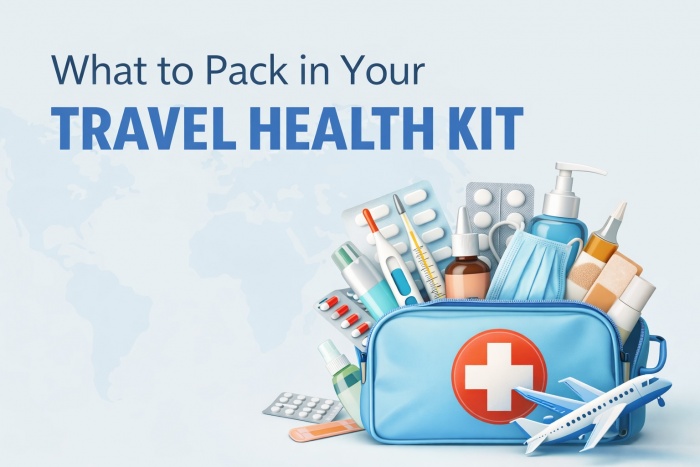
A travel health kit is one of those things that people value most when they really need it. It’s easy to focus on passports, chargers, and clothes, and then assume you can take care of the basics of healthcare later if something comes up. But small problems feel much bigger when you’re in transit, dealing with a language barrier, or trying to find the right pharmacy in a place you don’t know well.
The smartest kit is not the largest. It’s the one that makes sense for the journey you’re on. A weekend city trip does not require the same preparation as a multi-stop tour, a beach holiday or a long-distance trip with limited access to medical care. The travel length is also important. The longer you’re away, the more carefully you need to think about refills, backups, and the little essentials that can save you time and stress later.
Prescription drugs
Prescription drugs should always be the first thing you build around. If you take something regularly, this part of your kit is not optional. It should be well organized, carefully packed, and easily accessible during the trip.
Bring sufficient supply plus extras
Bring enough prescription medications for the entire trip and add extra in case of delays, lost luggage, or sudden changes in your plans. Coming up short abroad is not only difficult. It can very quickly become a serious problem, especially if the drug is not easily replaced or has a different name locally.
Store medications in original labeled containers
It is also worth keeping prescription medications in their original labeled containers. This makes them easier to identify, reduces confusion at airport checks and helps you if you need to explain what you are carrying. A loose mix of tablets in an unmarked bag may save space, but can cause unnecessary hassle later.
Taking a copy of your prescriptions with you
A copy of your prescriptions is another sensible backup. If something is lost or damaged, it can be much easier to have the written records with you to replace what you need or to explain your treatment to a local doctor. This is even more important if you regularly take medications for blood pressure, asthma, diabetes or a long-term condition.
Over-the-counter medications
Not every travel health problem requires a doctor, but minor problems can still disrupt a trip if you’re not prepared. A few reliable, over-the-counter basics can make it much easier to deal with common discomforts, without wasting time looking for the right product in an unfamiliar place.
Painkillers and fever reducers
Painkillers and fever reducers are usually worth packing, as headaches, fever, muscle aches and general travel fatigue can occur without much warning. They’re simple, useful, and often the first thing people want to pack when a trip starts to feel uncomfortable.
Antihistamines for allergies or insect reactions
Antihistamines are useful for more than obvious allergies. They can help with reactions to insect bites, pollen, dust or food that cause mild symptoms. Even if you don’t use them often at home, they are worth having when your environment changes.
Remedies for nausea and motion sickness
If you fly long distances, take ferries, make winding journeys or plan boat trips, anti-nausea or motion sickness remedies are worth considering. These are the kind of items that feel insignificant until the moment they aren’t.
Anti-diarrheal medications
Anti-diarrhea medication is another practical addition, especially for international travel. Stomach problems are so common that it makes sense to prepare for them rather than assuming you can quickly buy what you need once symptoms start.
Cold and cough remedies
Cold and cough remedies may also have their place, especially on longer trips or those involving flights, changing climates or many shared indoor spaces. Even a mild cold feels worse when you’re away from home and trying to keep moving.
Eye and facial care
Vision support is easy to forget until it becomes urgent. If you rely on glasses or contact lenses, this part of your equipment deserves more attention than people often give it. A small problem here can affect your comfort, mobility and confidence during the journey.
Glasses and a spare pair
If you wear glasses, pack them first and always carry a spare pair if you have them. A broken frame or a lost pair can cause a lot more disruption than most people expect, especially if you rely on it every day.
Contact lenses and supplies
If you wear contact lenses, bring enough for the trip plus extras, along with the supplies you actually need to use them comfortably. This may include a solution, a container, and lubricating eye drops if dehydration seems to be a problem. And if you want to keep costs sensible before a trip, order cheap contact lenses online can be a practical way to stock up in advance, especially if you already have a current prescription.
Wound care and first aid
Minor cuts, blisters, and scrapes are so common while traveling that it’s wise to prepare for them. You don’t need a full medical bag, but a few basic first aid items can help you solve minor problems before they become bigger annoyances.
Self-adhesive bandages in various sizes
Adhesive bandages are the obvious starting point. They take up almost no space and are useful for everything from shoe blisters to minor cuts and scrapes. They are simple, but quickly earn their place.
Antiseptic wipes and antibiotic ointment
Antiseptic wipes and antibiotic ointment are also worth adding. They help you clean and protect minor wounds early, which is especially useful if you walk a lot, spend time outdoors, or travel somewhere hot and humid.
Gauze pads and medical tape
Gauze pads and medical tape are sensible backups for anything a standard Band-Aid can’t handle well. You may never use them, but they’re exactly the kind of low-cost, low-space items that are worth having when you need them.
Protection against the sun and skin
Skin protection belongs in a travel health pack, not just a beach bag. Sun exposure, insect bites, and dry conditions can affect you in many different environments, even if sunshine or outdoor activities are not the main focus of the trip.
Broad spectrum sunscreen (SPF 30+)
Broad spectrum sun protection is one of the easiest and most important things to carry. A stronger SPF, such as 30 or higher, is a sensible starting point for frequent travel, especially if you’ll be outdoors for extended periods of time.
Insect repellent
Insect repellent is another must for many destinations. Products with effective ingredients can make a real difference in places where bites are not just annoying, but really disturbing. If your trip includes warm climates, evenings outdoors, or rural areas, this becomes even more important.
Lip balm with SPF
Lip balm with SPF is easy to overlook, but dry air, sun exposure and long travel days can cause lips to crack faster than people expect. It’s a small item that is often surprisingly useful.
Medical documents and devices
A travel health kit is not just about medicine and first aid. It should also include the information and tools to help you properly manage your health if something unexpected happens. In some situations, the paperwork can be as important as the medication itself.
Health insurance cards and emergency contact information
Health insurance cards, emergency contact information, and all medical alert information should be easy to find and not hidden in the bottom of a bag. If something urgent happens, you don’t want to waste time looking for it.
Copies of prescriptions and vaccination records
Copies of prescriptions are important for the reasons already mentioned, but vaccination records can be just as important for certain trips. If you’re traveling somewhere that has entry requirements or specific health checks, having those documents ready will save you stress and delays.
Blood pressure cuff (for those who need it)
A blood pressure cuff is not for everyone, but for travelers who regularly check their blood pressure it may be wise to take one with them. The same goes for any little health tool you rely on at home that you wouldn’t want to miss on a longer trip.
Conclusion
A good travel health kit doesn’t have to be too big or full of items you’ll never touch. It just needs to cover the basics well, reflect your own health needs and suit the type of trip you are on. That makes it useful rather than excessive.
It’s also worth checking and replenishing your equipment after each trip. Replace anything you’ve used, delete anything that’s expired, and customize based on destination, season, and trip duration. For larger or more complex trips, speaking to a travel doctor in advance is a smart step. Good preparation rarely feels dramatic, but it does make traveling easier, safer and much less stressful once you’re on the road.