Ted Sarandos defends Netflix-Warner Bros deal during Senate hearing
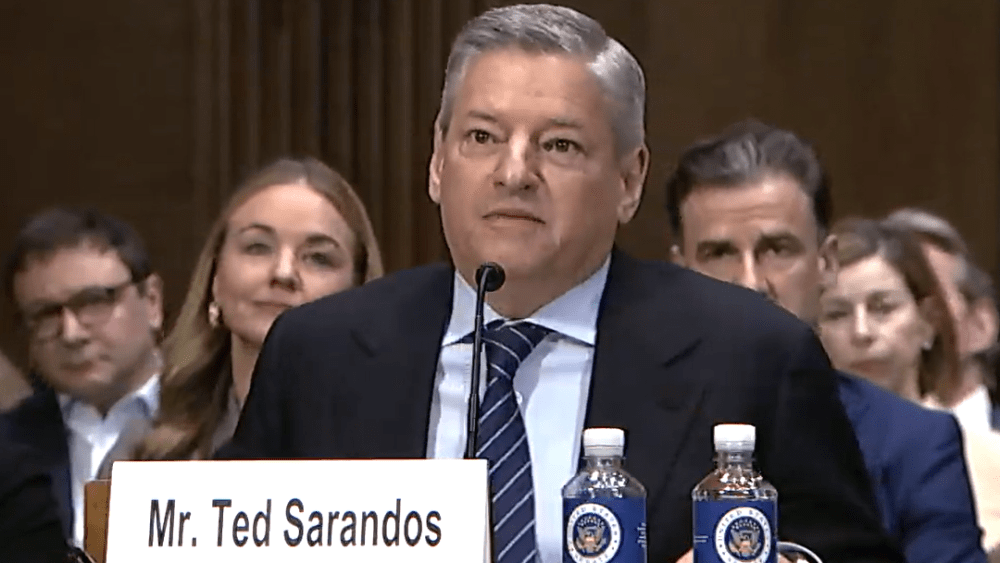
Netflix co-CEO Ted Sarandos was front and center Tuesday in defending the streaming giant’s $83 billion deal for Warner Bros. during a Senate hearing, amid pointed questions from lawmakers about the threat the pact poses to competition, jobs and streaming prices.
The hearing, “Examining the Competitive Impact of the Proposed Netflix-Warner Brothers Transaction,” was convened by the Senate Judiciary Committee’s Subcommittee on Antitrust, Competition Policy and Consumer Rights.
Sen. Mike Lee (R-Utah), chairman of the subcommittee, opened the hearing by saying the deal raises “antitrust concerns” that warrant investigation. Netflix and HBO Max both offer subscription streaming services, and Netflix and Warner Bros. compete to produce TV shows and movies, he said. Netflix, with WB’s library and production capabilities, would have “the incentive and ability to put rivals at a disadvantage” by limiting content licensing, he said, and it could starve theaters of films.
The deal could make Netflix the “one platform to rule them all,” Lee said.
Senator Cory Booker (D-New Jersey), the ranking member of the subcommittee, said the sale of Warner Bros. “to any competitor” is raising competitive concerns and negatively impacting “tens of thousands” of Hollywood workers by reducing the number of TV shows and movies being produced. “We know the power of Netflix,” he said, noting that he streams a lot of content on the service. “I worry that Netflix will have more power over consumers” and that they will have “fewer options.”
Sarandos said in his opening statement that Netflix’s original productions have generated 155,000 jobs, with productions in all 50 states. He said the Warner Bros. businesses that Netflix is acquiring are “very different from ours,” and that Netflix plans to operate these businesses “largely as they are now.”
“We are buying a company that has assets that we don’t have,” Sarandos said, reiterating Netflix’s commitment to maintain a 45-day theatrical window for WB’s films. He said Netflix-WB doesn’t have a “Noah’s Ark problem,” where there are two of everything “and you cut everything in half.”
Sarandos emphasized that Netflix and HBO Max are complementary, claiming that 80% of HBO Max subscribers also subscribe to Netflix. “We will offer consumers more content for less.” He also said Netflix faces increasing competition from “tech companies with deep pockets trying to get away with the TV business,” citing Google’s YouTube, Apple and Amazon’s Prime Video. He noted that Netflix’s share of U.S. TV viewers was 9% in December and will be about 10% with HBO Max, still lower than YouTube’s share of TV viewers.
On December 5, Netflix and Warner Bros. Discovery announces its mega deal, with Netflix acquiring the Warner Bros. studios. Discovery and HBO Max for $27.75/share. Two weeks ago, Netflix switched to an all-cash offering, replacing its previous cash and stock terms – a change driven by pressure from David Ellison’s Paramount Skydance, which has faced a hostile takeover attempt from Warner Bros. Discovery pursued what it claims is a superior deal for WBD shareholders.
Booker said he invited David Ellison to the hearing because of his company’s $108 billion hostile bid, but Paramount declined to participate, citing the WBD board’s rejection of the bid.
Lee asked Sarandos why Netflix should buy WB’s studios when Netflix already plans to spend $20 billion, a 10% increase, on original and licensed content by 2026. “Warner Bros. is both a competitor and a supplier,” Sarandos said. “Our history is about adding more” content and choices for consumers.
Lee also questioned Sarandos’ claim that YouTube is a competitor, as YouTube does not directly fund original content. “They are not in the same industry,” the senator said, noting that it does not require a subscription or login. Sarandos said Netflix and YouTube are competing for the same content, viewers and advertising dollars, and the executive pointed to “Iron Lung,” a self-financed film from YouTube creator Markiplier, which led the box office this weekend.
Booker asked Sarandos why there was a “universal set of concerns, if not fears” among theater owners, producers, writers and others that the Netflix-WB deal would harm their livelihoods. Sarandos responded that Netflix has a track record of growing content releases and productions. Booker noted that the market trend is “away from the theater experience,” to which Sarandos said, “Now that we’re in the theater business [by buying Warner Bros.]we want to win in the theater world.”
During the hearing, Sen. Josh Hawley (R-Missouri) asked Sarandos why Netflix “promotes a transgender ideology” in its children’s programming, claiming that nearly half of the content for minors on Netflix promotes such an agenda.
Sarandos responded: “Netflix has no political agenda whatsoever,” adding that the company streams a wide range of content for a wide variety of tastes. Regarding the senator’s claim that nearly half of Netflix’s children’s content promotes a transgender agenda, Sarandos said, “I have no idea where that came from.” He also said that Netflix offers parental controls to limit their children’s viewing. Later in the hearing, Sarandos noted, “We also value the First Amendment.”
Netflix and WBD say their deal will preserve industry jobs because Netflix doesn’t have a studio operation of Warner Bros.’ size, and they have pointed to Paramount Skydance’s claim that it could realize $6 billion in cost savings from acquiring Warner Bros. Discovery, based on mass layoffs. Additionally, Netflix claims that retail streaming prices will fall, arguing that consumers see HBO Max as a complement to Netflix’s service, and as such competitors such as Amazon’s Prime Video and Disney+/Hulu will be forced to keep prices in check to fight for market share.
Bruce Campbell, WBD’s Chief Revenue and Strategy Officer, also testified at the hearing. He said the deal was Warner Bros.’ studios get business access to Netflix’s distribution capabilities, while Netflix’s ’emerging’ production activities get a boost through WB’s studios.
Campbell said Netflix will be able to offer Netflix and HBO Max streaming services together “at a discount” and that Netflix will be able to put more Warner Bros. content on its core streaming offering: “I think that will be pro-consumer as well.”
Netflix and WBD say they have proactively reached out to antitrust regulators in the U.S. and Europe to make their case for why the deal should go through. The companies’ lawyers contacted representatives of the Justice Department’s Antitrust Division on the day that Netflix and Warner Bros. Discovery announced their pact.