Snow tornadoes caught on video in Texas during winter storm Fern
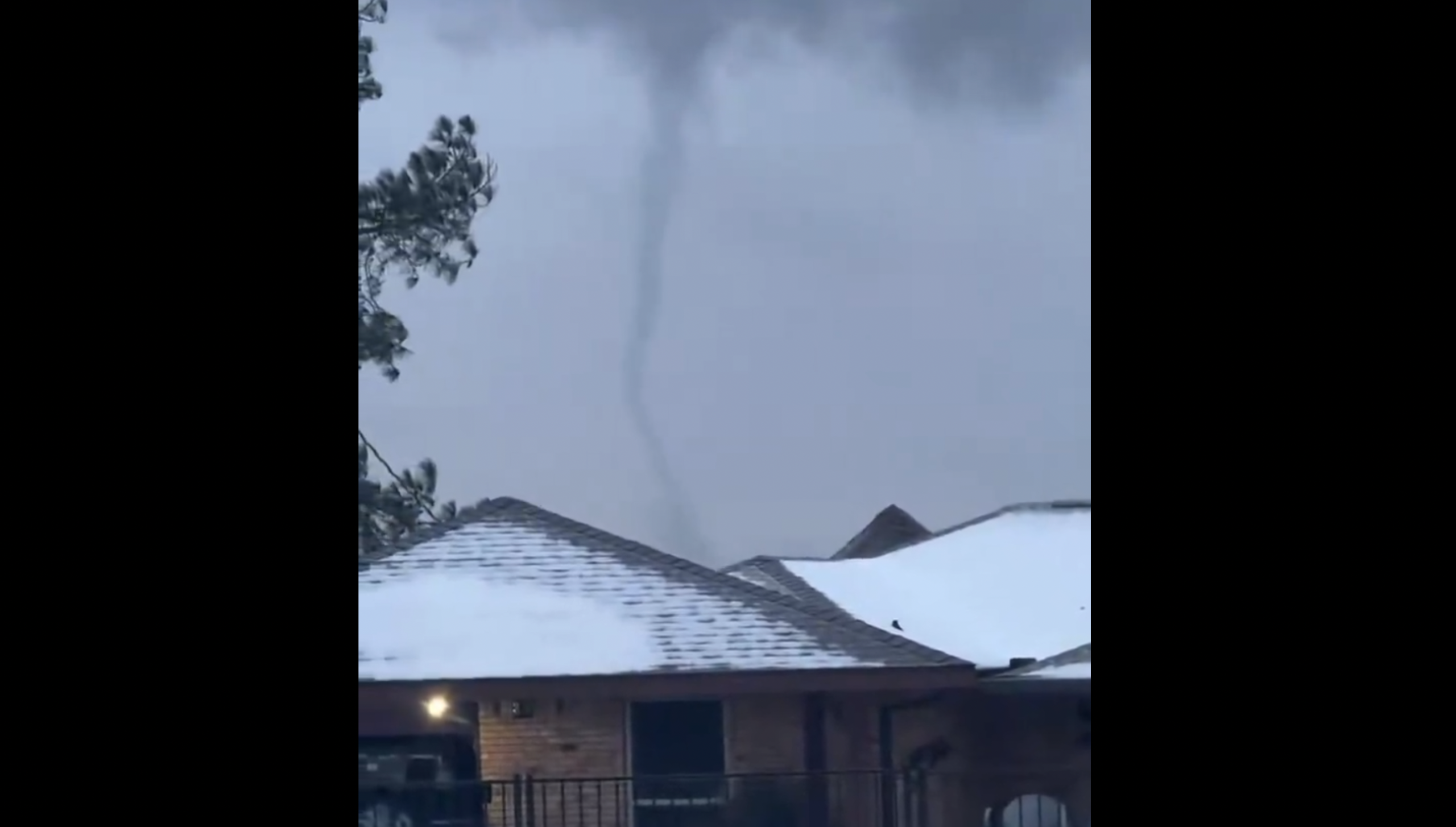
Dallas, TEXAS — As powerful winter weather continues to impact Texas and much of the United States, residents of the Dallas area experienced an unusual weather phenomenon on Sunday.
Winter Storm Sailingthat brought snow, sleet, ice and bitter cold to much of the central and eastern U.S. remains in effect in multiple states, prompting warnings, disrupted travel and hazardous conditions.
Meteorologists report the storm system has delivered a mix of wintry precipitation across Texas, including measurable snow and sleet in North Texas, with dangerously low wind chills and persistent extreme cold through Monday.
In a number of unusual events for the region, snow tornadoes were captured on video and shared by Dallas, Texas, TV on X (formerly Twitter)with a rotating snow column near Dallas.
The videos have sparked widespread interest among meteorologists and the public. The phenomenon occurs as a vertical, vortex-like structure of snow and wind, which stands out from typical winter storm patterns.
(Source: social post DallasTexasTV)
Why it happened
Snow tornadoes – sometimes informally called ‘snownadoes’ or snow funnels – can form when strong winds blow over loose snow on the ground under specific atmospheric conditions.
These vortices are generally weaker and smaller than traditional tornadoes associated with severe thunderstorms, but they can occur when a combination of strong wind shear, turbulent air and very cold surface conditions cause swirling columns of air to lift snow into a rotating column.
In the case of the Dallas area on Sunday: extremely cold temperatures combined with wind gusts from Winter Storm Fern provided the necessary ingredients for the development of localized snow swirls. Strong pressure gradients within the storm system caused higher surface wind speeds, which interacted with abundant loose snow to create the rotating snow column seen in the video.
Snow tornadoes in context
Snow tornadoes are rare compared to the more common severe thunderstorms and tornadoes that occur in warmer seasons. They are typically short-lived and occur under conditions that involve crossing strong winds and snow-covered terrain.
A few recent occurrences of similar phenomena in the United States include:
- During an outbreak in the Arctic, a snow tornado was reported in the Dakotas early January 2026, where strong winds interacting with deep snow produced short, rotating columns of snow observed by local storm spotters.
- A snow funnel was documented in a northern Plains state during a winter system in December 2025when gusty winds and frigid air combined to produce a visible snow swirl, similar to what was seen near Dallas.
Snow tornadoes differ fundamentally from traditional tornadoes: the latter are violently rotating columns of air that form during severe thunderstorms and can cause extreme damage, while snow tornadoes generally consist of wind and snow without the deep convective storm structure necessary for significant rotational intensity.