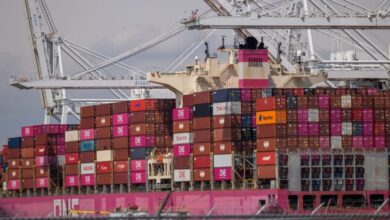
Rising jet fuel costs threaten international travel and short-term rental traffic ahead of the World Cup
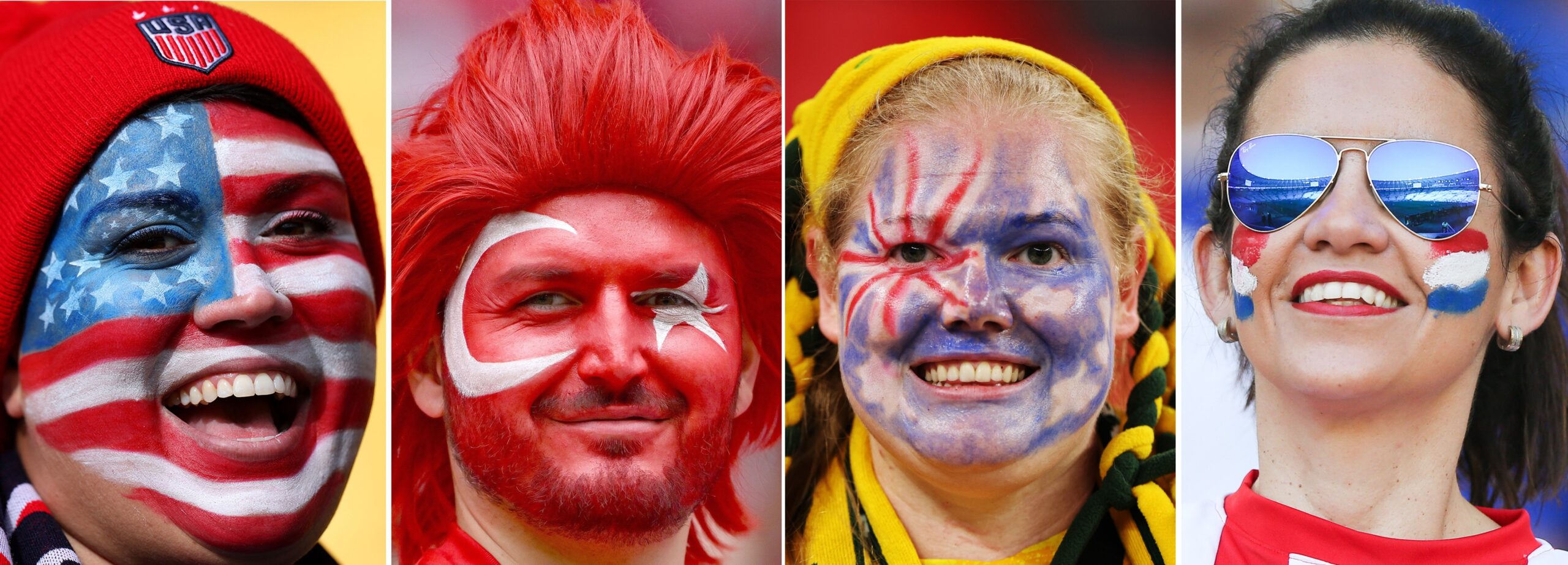
Rising jet fuel prices pose a significant headwind for the global travel industry just months before the World Cup, raising concerns about higher airfares, reduced international demand and softer booking trends for short-term rentals in the eleven U.S. host cities and surrounding regions.
Jet fuel prices have almost doubled since the start of the war in Iran, which prompted some airlines to do so passing on higher operating costs to consumerswhile travelers may respond by becoming more selective or shortening their trips as long-haul flights become more expensive.
As a result, both international visitor traffic and the short-term rental market – which typically relies on the rise in event-driven tourism – could come under pressure at a time when demand was expected to rise.
Mahmood A. Khana professor at the Department of Hospitality and Tourism Management of Virginia Tech’s Pamplin College of Businesstells Realtor.com® that he believes airfares are likely to rise due to the war in Iran and rising fuel prices.
“People can choose holiday destinations closer to home to reduce costs,” he says.
While Khan believes dedicated World Cup fans are unlikely to cancel their travel plans, he says many will shorten their trips to reduce costs.
According to Tourism EconomyThe World Cup is expected to attract approximately 1.24 million international visitors to the US during the tournament period, which runs from June 11 to July 19.
Geopolitical tensions increase travel uncertainty
Aran Ryandirector of sector studies at Tourism Economics, tells Realtor.com: “The 2026 World Cup is a massive event affecting eleven major markets in the US. It’s a noisy, uncertain period leading up to the event, and traveler concerns and negative sentiment raise the stakes. The conflict in the Middle East amplifies some of the sentiment effects and underlines pre-existing concerns for some.”
Ryan continued: “The conflict in the Middle East threatens to extend last year’s 5.5% decline in U.S. arrivals into this year, adding higher fuel costs, disruption to air travel and pressure on discretionary spending to a mix of already challenging sentiments toward the U.S. A prolonged conflict would maintain negative headwinds and could contribute to a second year of declining U.S. inbound visits.”
Anna Marie Presuttithe general manager of the San Francisco Travel Associationtold The New York Times she thought demand for travel in San Francisco has not yet fully increased because the war in Iran is making travel difficult for fans from Jordan and Qatar, two teams that play there.
Citizens from different countries facing US entry restrictions under the policy introduced during the Trump administration, while some African countries are subject to it stricter visa requirementsincluding pilot programs that required certain travelers to post bonds of up to $15,000.
Still, Ryan says he’s still confident the World Cup will bring more visitors to the U.S. and improve hotel and short-term rental performance, as many fans will still find a way to see matches in person.
Mixed outlook for hotels and short-term rentals
But Vijay Dandapani, president of the Hotel Association of New York City, says a combination of pressures is already causing some travelers to scale back their spending. He cites expensive match tickets, rising airfares, inflation concerns related to the conflict in Iran, visa-related issues and additional friction in the Electronic System for Travel Authorization (ETSA) process for travelers with a visa exemption.
“One-off events like FIFA are never the promised cornucopia,” he says. “FIFA estimates that 1.2 million visitors come to New York City, a number that is highly unlikely.”
Bram Gallagherdirector of economics and forecasts Air DNA– a company that collects and analyzes data from VRBO and Airbnb, tells Realtor.com that demand for short-term rentals has remained relatively resilient so far.
“We haven’t noticed any major downward trends in short-term rental bookings for the World Cup. It appears we are doing slightly better than hotels on this front,” he said, adding that demand in Miami is up 57%.
Airbnb tells Realtor.com that host revenue for the event is expected to reach nearly $156 million.
According to a recent report from Deloitte, Airbnb hosts in World Cup cities are expected to earn an average of around $4,000, or $262 per night, during the tournament. analysis.
But Brad Greinerfounder of Open-air homeswhich operates about 70 short-term rental properties in Southern California, tells Realtor.com: “We are definitely concerned about rising oil costs and how it will impact travel.”
He says Los Angeles has generally had lower demand for the World Cup so far than he expected. “I am confident that our homes will be booked, but as the Games get closer, and if economic uncertainty remains high, along with high ticket prices, higher travel costs and just inflation in general, we have a plan in place to slowly reduce our rates to ensure high occupancy rates,” he says.
Scott Yesnerfounder of the short-term rental management company Tailor-made staysays some operators are already feeling pressure after aggressive pricing.
“For some operators there is absolute panic, and that is understandable,” he tells Realtor.com. “Those are the properties that went above and beyond themselves, with prices as if the World Cup were a papal visit or a Taylor Swift-level event where you could actually name your price. When bookings didn’t materialize at those rates, panic was probably inevitable.”
Yesner says he doesn’t think the war itself is keeping people away. “A true football fan, someone who has dreamed of attending a World Cup for years, will not let a geopolitical conflict on the other side of the world stop him from getting on a plane,” he says.
However, he acknowledges that uncertainty – especially around flight routes and visas – has a real impact on planning.
“You have airspace closures over major hubs in the Gulf… visa complications… and ultimately a lot of uncertainty,” he says. “That uncertainty is paralyzing for travel planning, even for motivated fans.”
The outlook is still fluid ahead of the tournament
Gallagher added that the situation in Iran remains volatile, with many travelers delaying decisions in the hope of better conditions.
“It may have only been 50 days,” he says. “People have postponed making major changes to their plans in the hope that we will find a solution quickly.”
Gallagher notes that while there have been numerous short-term rental cancellations in the Middle East as a result of the conflict, AirDNA has not seen a similar trend in the United States.
“Knock on wood, there’s a lot of promise in this recent ceasefire, so we’ll see,” he says.