Hurricane Melissa: Relief efforts intensify as damage increases in the Caribbean
In CubaAccording to the UN Aid Coordination Office, more than 54,000 people are still displaced, including 7,500 in official shelters. OCHA. The extent of damage is now significantly higher than initial estimates, with more than 600 health facilities and 90,000 homes affected.
UN agencies are supporting the national response, helping about 140,000 people in shelters and community kitchens, and distributing agricultural tools and livestock feed to restore livelihoods.
They also provide equipment to strengthen disease control and prevention efforts and provide medical supplies to strengthen reproductive health care, including maternal care.
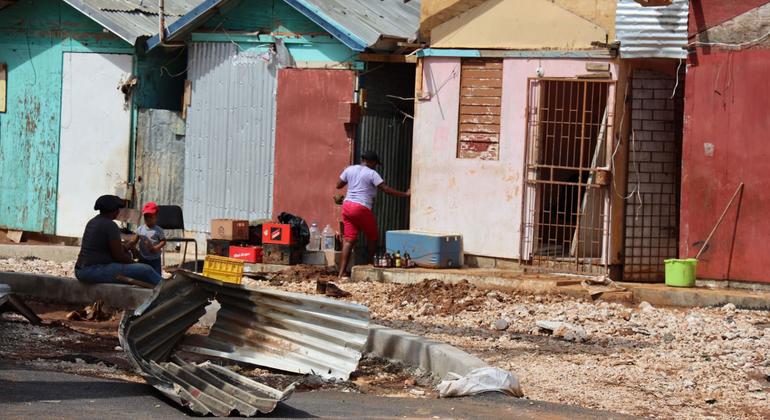
In Jamaicaimproves access to isolated communities, but remains precarious.
Only two communities remain inaccessible – down from 27 last week – although additional rainfall could limit access again.
Shelter remains a critical concern. About 40,000 tarpaulins intended for delivery were not transported due to blocked and damaged roads. The UN World Food Program (WFP) has helped 9,000 people to date in hard-hit Westmoreland and St. Elizabeth, with plans to expand financial assistance to up to 90,000 households as conditions permit.
In Haitiwhere Hurricane Melissa claimed more than 40 lives, humanitarian partners are expanding operations amid extensive damage across multiple departments.
The UN and partners also distributed hygiene kits and restored electricity to refrigerate vaccines and provide psychosocial support in schools.
They are also delivering 15 days’ worth of food rations to hard-hit areas in the south. In Petit Goâve, food aid is being provided to more than 40,000 people, with further distributions planned this week.
To overcome access challenges, the UN Humanitarian Air Service (UNHAS) has expanded its operations with five new access points to reach isolated communities.
Philippines: Response increases after successive typhoons
In the Philippines, WFP is expanding emergency operations following back-to-back Typhoon Kalmaegi and Super Typhoon Fung-Wong, which affected 8.3 million people and displaced more than 1.4 million across Luzon, the country’s largest and most populous island.
Ahead of landfall, the agency provided emergency cash transfers to more than 210,000 people to help families evacuate and prepare.
Since the storms, WFP has provided 187,000 food parcels for families, enough to sustain almost a million people for several days.
Telecommunications units and generators have also been deployed to restore connectivity, while logistics teams are supporting relief efforts in 14 provinces.
UN news on Tuesday interviewed Arnaud Peral, the UN Resident Coordinator in the country, who highlighted the relative success of government-led preparedness and early warning systems – fully supported by UN agencies.