Gdańsk Airport sees record growth, a success story reshaping mobility and tourism in Northern Poland | News

Gdansk Lech Walesa Airport, Poland
In 2025, Gdańsk Airport handled more than 7.39 million passengers, reaching the highest traffic level in its history. For the tourism industry, this is not just a record – it is a clear example of how a regional airport can transform an entire destination.
Ten years ago, the Baltic coast was still largely seen as a seasonal market. Today, thanks to consistent growth in connectivity and passenger volumes, the region is evolving into a year-round travel destination with increasing international relevance.
What makes this transformation particularly interesting is not only the scale of the growth, but also the way in which different parts of the tourism ecosystem have adapted to it.
How did Gdańsk Airport become one of the fastest growing regional airports in Europe?
The success of Gdańsk Airport did not happen overnight. It is the result of a long-term strategy focused on accessibility and connectivity.
Several factors have contributed to this growth:
• expansion to almost 100 direct routes throughout Europe
• strong positioning on the Scandinavian markets
• cooperation with low-cost airlines, increasing frequency and affordability
• development of year-round connections
This combination ensured a stable and diversified influx of travelers – less dependent on seasonal influences and better tailored to modern travel patterns. For the region, this meant one thing: consistent demand instead of short-term peaks.
What changed in tourism demand as passenger numbers grew?
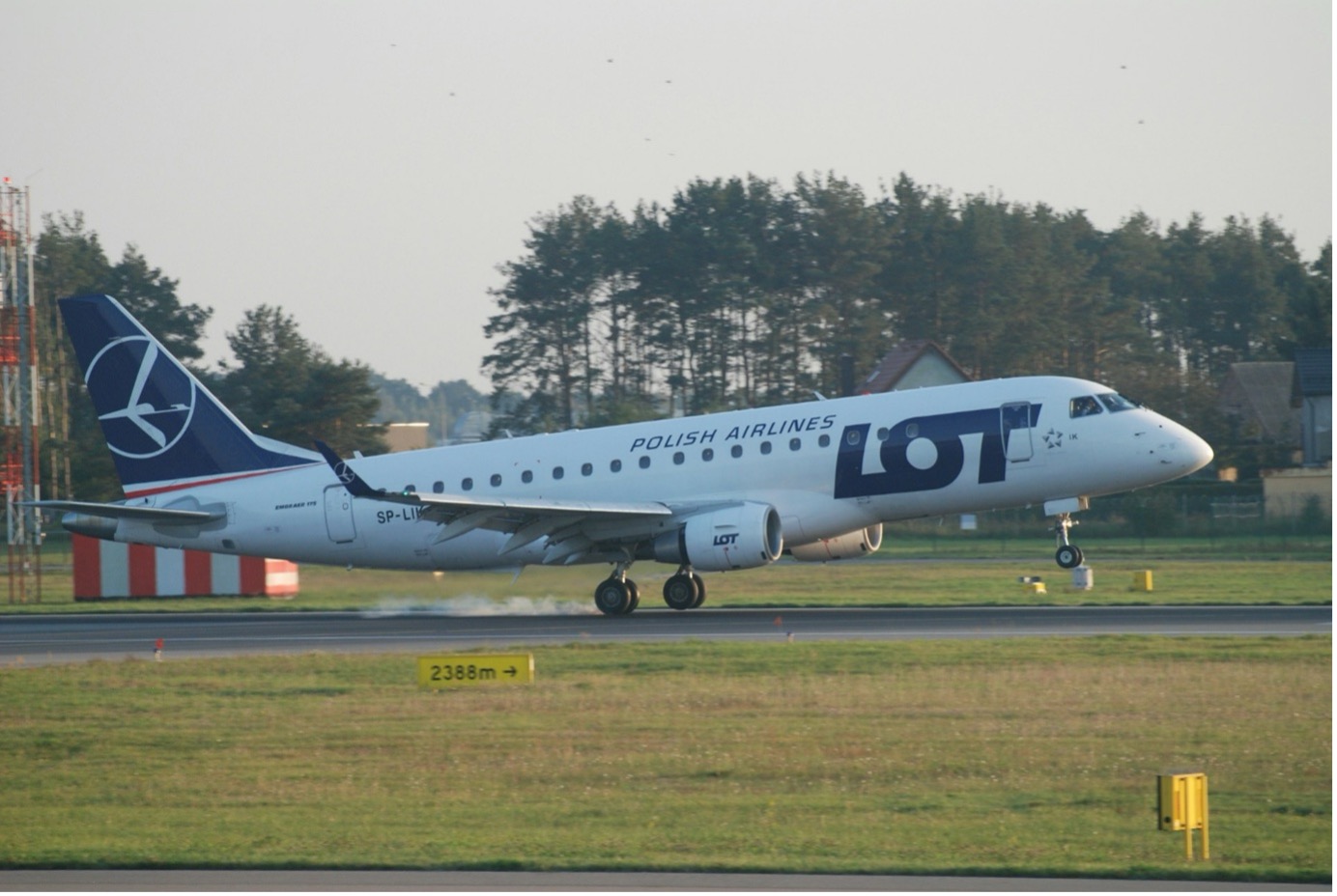
The increase to more than 7 million passengers not only entailed a shift in volume, but also in behavior.
Travelers visiting the Tricity today:
• shorter stay (usually 2-3 days)
• travel more often
• Expect faster transitions between locations
• combine urban and regional experiences.
This created a new kind of pressure – not on attractions or accommodation, but on how efficiently visitors can get around immediately after arriving. In other words, the airport’s success began to redefine what “good tourism infrastructure” actually means.
Where did the biggest challenges arise?
Interestingly, the main issues did not emerge in obvious areas such as: insufficient accommodation or flight availability. They appeared in a much more subtle place: in mobility and the ways of continuing the journey.
As the number of passengers increased:
• Taxis became less available and more expensive during peak arrivals
• public transport reached capacity more quickly
• travel times became less predictable
This didn’t stop growth, but it did expose a gap between infrastructure and travellers’ actual expectations. And this is where the next phase of the success story begins.
How did the market respond to the growing mobility need?
As demand became more dynamic, the market naturally shifted towards solutions that offered:
• flexibility
• immediate availability
• independence from schedules
Public transport remained a strong base, especially within the city. However, it is not designed to handle:
• peak times
• traveling with multiple destinations
• optimization of short stays
This created space for services that could operate more dynamically. Car rental – especially at airport level – emerged as one of the most effective answers. Not as a replacement, but as a supplement that absorbs pressure and improves overall system efficiency.
Why is car rental at Gdańsk Airport becoming part of standard travel?
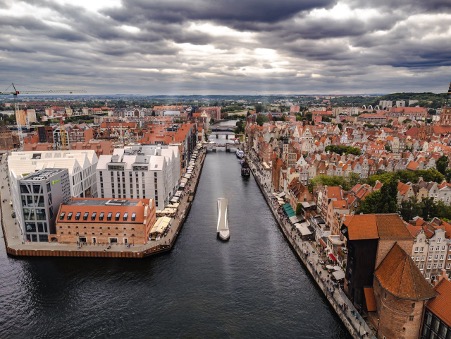
As the region matured, traveler behavior evolved in parallel. Car rental becomes especially important when:
• time efficiency is more important than minimal costs
• travelers plan to visit multiple locations
• arrival takes place during periods of high demand
In such situations, renting a car at Gdańsk Airport is no longer an extra, but becomes a logical choice. This shift reflects a broader trend: mobility is becoming an integrated part of travel planning, rather than a last-minute decision.
How does Kaizen Rent fit into this success story?
Each market transformation spotlights operators who adapt early and closely match emerging demand. In the case of Gdańsk, Kaizen Rent represents this type of alignment.
As a Polish car rental company operating directly at the airport, Kaizen Rent positioned its service exactly where demand is concentrated: at the point of arrival.
This makes the following possible:
• Immediately collect the vehicle after landing
• reduced dependence on external transport
• better handling of demand during peak hours
From a strategic perspective, it is not just about offering cars. It is about integration into the travel route when mobility decisions are made.
“We see how travel habits are changing: fewer spontaneous decisions, more conscious planning. The airport has become a moment of truth for mobility. That’s why we are where it really starts: right after landing.”
says Daniel Stachowski, head of airport locations at Kaizen Rent.
You can discover how this model works here: https://kaizenrent.pl/en/autoverhuur-gdansk-airport
What does this success mean for the broader tourism ecosystem?
The growth of Gdańsk Airport shows how a single infrastructure element can reshape an entire region.
It has:
• increased accessibility
• extended the tourist season
• diversified visitor profiles
• created demand for new types of services
At the same time, it has raised expectations. Travelers no longer judge destinations based on attractions alone – they judge how smoothly they can travel through them.
What can other regions learn from Gdańsk?
The Gdańsk case highlights an important pattern:
Growth alone is not enough. What matters is how well the ecosystem adapts to that growth. In this case:
• the airport created demand
• the tourist infrastructure has absorbed this
• mobility services helped to optimize this
And together, these elements formed a system that continues to scale.
What comes next?
Gdańsk Airport’s record performance is not a peak, but part of an ongoing trajectory. As connectivity increases and demand stabilizes, the region will continue to move towards:
• more complex travel patterns
• higher expectations around efficiency
• greater importance of integrated services
In this environment, the most successful operators will be those who operate not around the journey, but within it. The success of Gdańsk Airport shows that growth becomes possible and sustainable when infrastructure, demand and services are aligned.
And the biggest winners are the passengers – they get travel continuity, full control over time and costs, and the entire journey becomes less stressful and more predictable – from landing to reaching their destination. It is precisely in this seamless combination of infrastructure, demand and services that the true value of the entire system becomes clear.
FAQ – Gdańsk Airport and regional mobility
How many passengers did Gdańsk Airport handle in 2025?
More than 7.39 million passengers, making it one of the fastest growing regional airports in Central Europe.
Why is Gdańsk Airport important for tourism?
It serves as the main gateway to the Baltic coast, providing direct access to Gdańsk, Sopot, Gdynia and nearby regions.
What trends are visible in tourism demand?
Shorter stays, more frequent trips and a growing interest in multi-location travel in the region.
Where do mobility problems occur most often?
During peak arrival times, when taxis are limited and public transport is busy.
Why is mobility after landing so important?
It determines how quickly travelers reach their destination and how much time they can spend exploring.
How does car rental at Gdańsk Airport support travel?
It offers direct, flexible transportation from the airport, especially convenient for multi-destination trips.
What is the role of Kaizen Rent?
Kaizen Rent offers car rental directly at Gdańsk Airport, matching the demand for pre-booked, flexible mobility.
What does airport growth mean for the region?
It signals a shift towards year-round tourism and higher expectations around accessibility and travel efficiency.