BTN Interviews: Jens Martin Skibsted: Biomega’s Relaunch and the Future of the Urban Bicycle | Focus
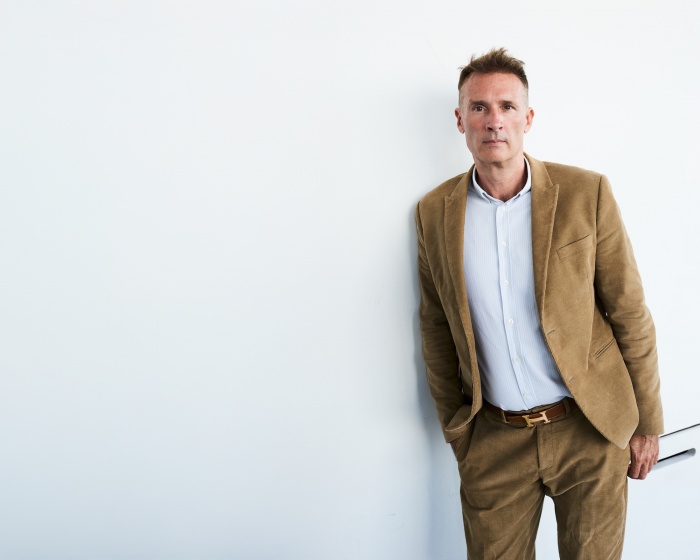
Jens Martin Skibsted
Jens Martin Skibsted is an award-winning designer, entrepreneur, author and design philosopher whose work has helped reshape the conversation around urban mobility, sustainability and the role of design in society. Best known as the founder of Biomega and for his pioneering approach to design-led city bikes, Skibsted has collaborated with leading creative figures including Marc Newson, Ross Lovegrove, Bjarke Ingels and Lars Larsen. His work sits in the collections of major institutions including MoMA, SFMoMA and Designmuseum Danmark, while his wider career spans mobility, consultancy, publishing, global policy forums and design philosophy. As Biomega relaunches in the United States with BER, Skibsted reflects on the ideas behind his work, the future of the e-bike, and why beauty, simplicity and desire may be among the most powerful tools for moving people out of cars.
BTN: You describe yourself across several identities: designer, entrepreneur, author, philosopher and founder. Which of those feels most central to who you are today?
I am sometimes called a design philosopher, which I like. Partly because the scope fits what I do better, and partly because there is not a broad consensus on what design philosophy is. I touch on it in my book Expand: Stretching the Future by Design. Philosophy gives me the framework to think bigger about how design can create meaning, sustainability and change. Ultimately, it is the ideas behind the work that drive me. Entrepreneurship is just the way of enabling those ideas.
BTN: You have moved between bikes, design consultancies, magazines, global forums and philosophy. What is the thread that connects all of your work?
The thread is idea-driven innovation: finding the underlying principles that can transform an industry, a behaviour, a policy or a culture. Whether it was turning urban bikes into design statements with Biomega, challenging car culture with the SIN electric vehicle, or exploring African design with Ogojiii, it has always been about asking: what is the idea that can make this better, not just prettier, but more meaningful?
I believe great design must serve beyond itself.
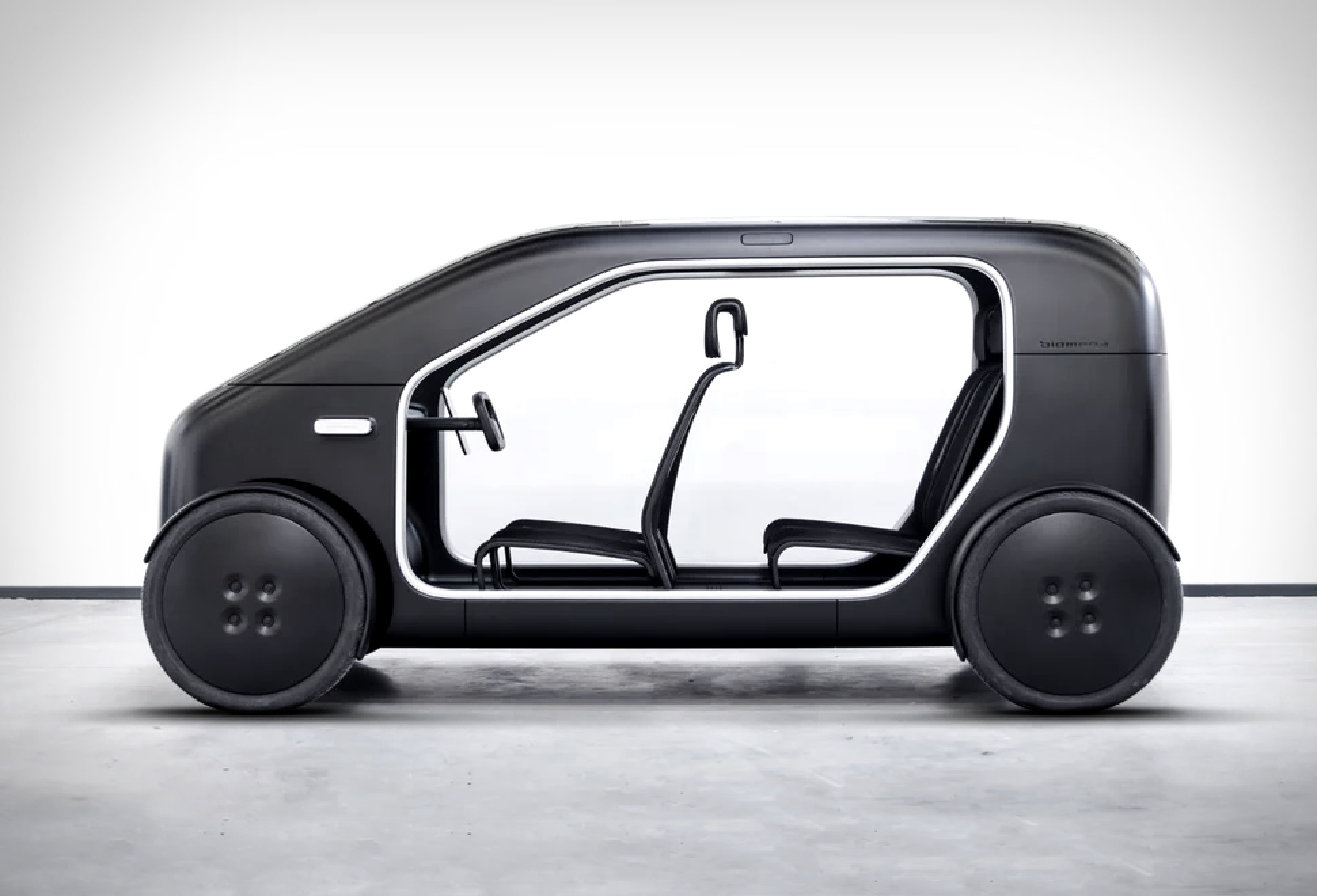 SIN electric vehicle
BTN: You have often been ahead of the market. Is being early a strength, a weakness, or simply the price of doing original work?
Being early has been a strength culturally, because you can define the category, as we did with Biomega and premium design-led urban bikes. But commercially, it can be a weakness because the market is not ready, and you end up having to convince an industry and educate consumers.
And yes, it is the price of original work. You have to tolerate being misunderstood until reality catches up. The key is being early with the right idea. With Biomega, we saw that urban bikes could be more than sport or transportation. They could be a lifestyle statement. That was a niche other pioneers only discovered years later.
BTN: When you begin a new product, what do you look for first: a behavioural shift, a technological opening, a cultural tension, or a formal design opportunity?
I think the idea emerges when shifts in technology, manufacturing, market and culture converge. But there is also a traditional industrial design curiosity involved: looking for new solutions. Cultural tension is a good way to describe it. It is when a typology is ripe for transformation. The form follows after.
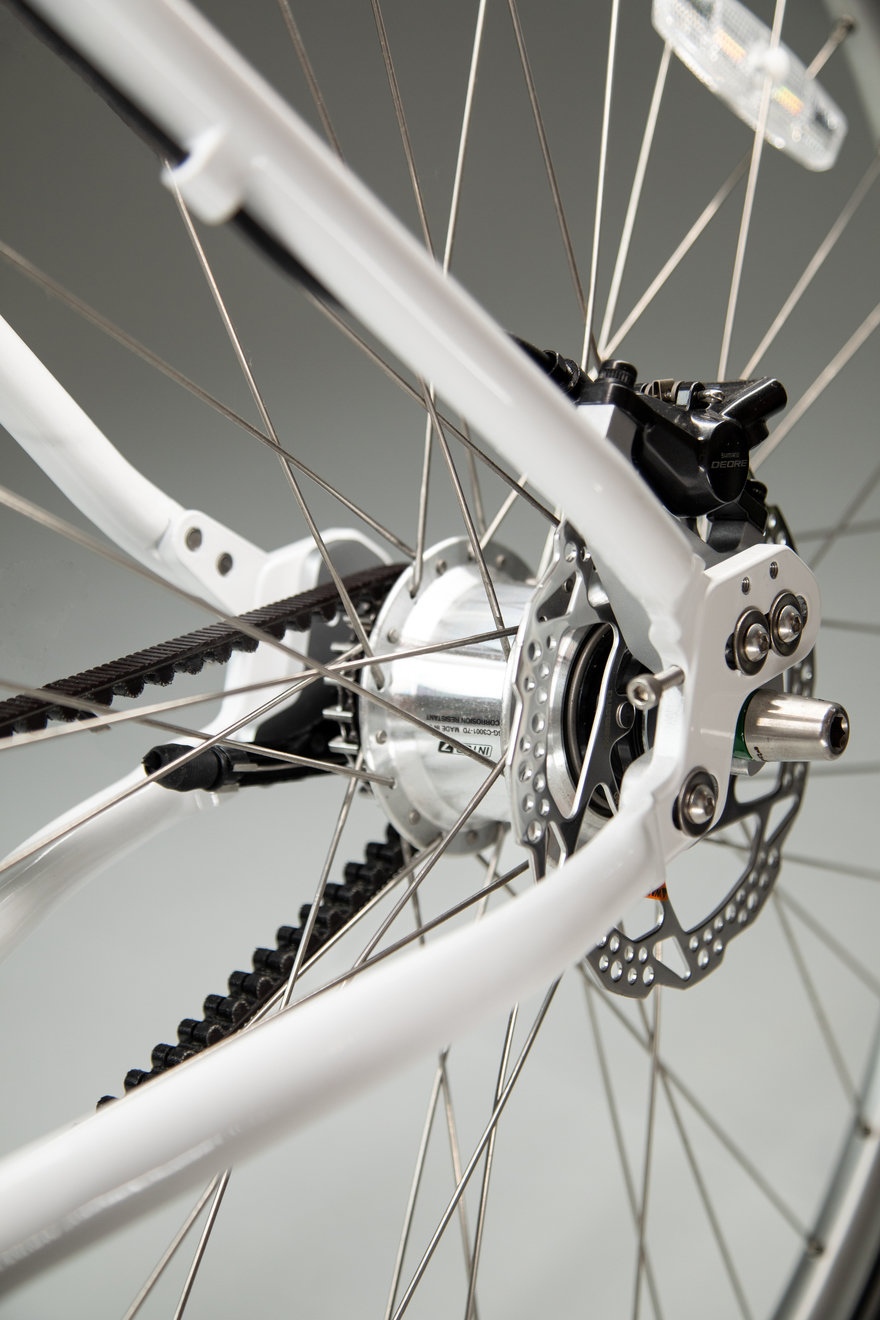
With Biomega, the simple idea was that urban bikes could become desirable design objects that appealed to people who normally drove cars, and thereby encourage them to ride bikes. But it also required city-adapted functionality. It was about changing perceptions of what a bike could be, while also changing its actual function.
BTN: Biomega found a niche before it was obvious: premium, design-led urban bikes that were neither racing machines nor purely practical commuter tools. What did you see in the market that others missed?
I realised that urban bikes had been forgotten as design objects. Everyone was focused on racing bikes, mountain bikes, or cheap, functional commuters. But no brand was treating the urban bike as a cultural object that could compete with the car on status, beauty and functionality.
We also saw that cities such as Copenhagen and Barcelona had huge potential for bikes that were smart, light and beautiful, with urban-specific functions. People would pay for design if it also improved their daily lives. It was a new niche that combined luxury, sustainability and urban lifestyle.
BTN: How do you distinguish between a real market niche and a designer’s fantasy of a niche?
A real niche already exists in people’s behaviour; you just have to see it. A designer’s fantasy is something you hope for.
With Biomega, I saw that people in cities were already starting to cycle more, but they lacked beautiful and better-adapted bikes. That was a real unmet need. The question is: is there already a behaviour we can amplify, or are we trying to invent a new one?
BTN: Your work sits between function, beauty, culture and business. When designing a product, which comes first: the ride, the form, the user behaviour, or the worldview?
There is an idea that leads. The idea supports a worldview, but it is materialised through a specific innovation.
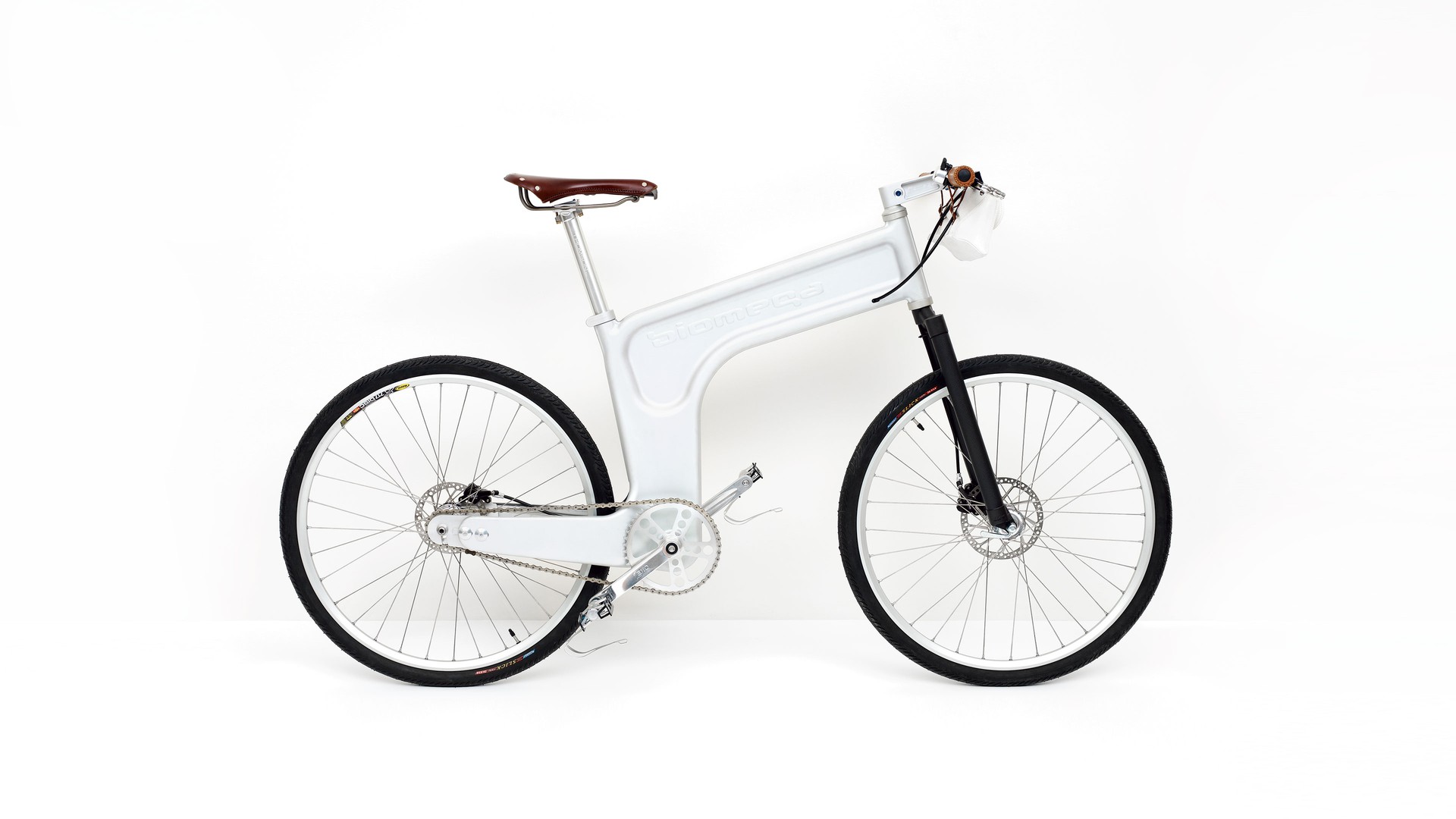 MN Bicycles by Marc Newson for Biomega
BTN: You previously partnered with some of the world’s great designers, including Marc Newson and Ross Lovegrove. What did working with designers outside the conventional bicycle industry teach you about innovation?
It taught me that design innovation often happens by breaking industry conventions, and that the best ideas often come from combining worlds that do not usually meet.
Marc Newson and Ross Lovegrove did not think in “bike design” terms. They thought in materials, forms and experiences. It forced us to think outside the box.
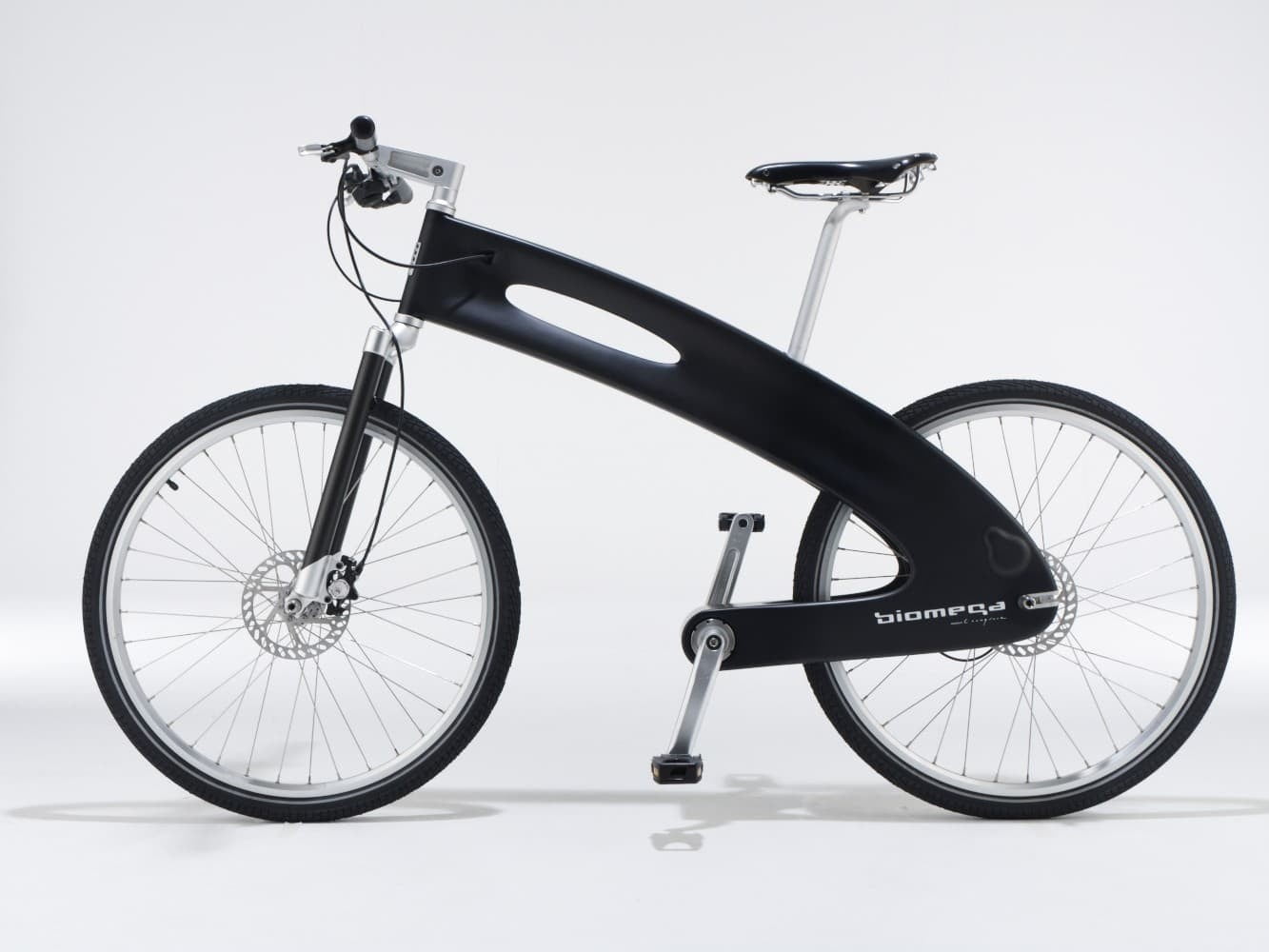 Biolove by Ross Lovegrove for Biomega
BTN: How did you attract and collaborate with world-class creative people without turning the product into a vanity collaboration?
It was about having a clear idea, a clear vision and a shared vision, and then allowing the designer to contribute their unique perspective without letting anyone’s idiosyncrasies take over.
With KiBiSi, together with Bjarke Ingels and Lars Larsen, we had a shared design philosophy: idea-driven, not person-driven. When I collaborated with external designers, it was always with the goal of strengthening an idea, not turning the product into a signature piece.
BTN: Biomega achieved museum recognition and a cult following. What did that success teach you, and what did it not solve commercially?
It taught me that good, old-school design can create a movement. People will pay for something beautiful, meaningful and different. The museum recognition showed that we had created something timeless.
But commercially, it did not solve the challenge of scale. Making niche products for design enthusiasts is one thing. Making them accessible and profitable for the mass market is another challenge entirely. We learned that you need a business model that can scale the idea.
BTN: Looking back at the first Biomega era, what mistake are you determined not to repeat in this relaunch?
The biggest mistake was underestimating the importance of simplicity, distribution and business infrastructure. We focused too much on design and not enough on how to get the bikes to people. This time, with BER and the U.S. relaunch, we have prioritised partnerships and logistics just as highly as design.
Another mistake was assuming the market would come to us instead of actively educating it. This time, we know we have to tell the story of why BER is different and why people should choose it.
BTN: BER is described as simple, timeless and elegant. What was the first non-negotiable design decision behind it?
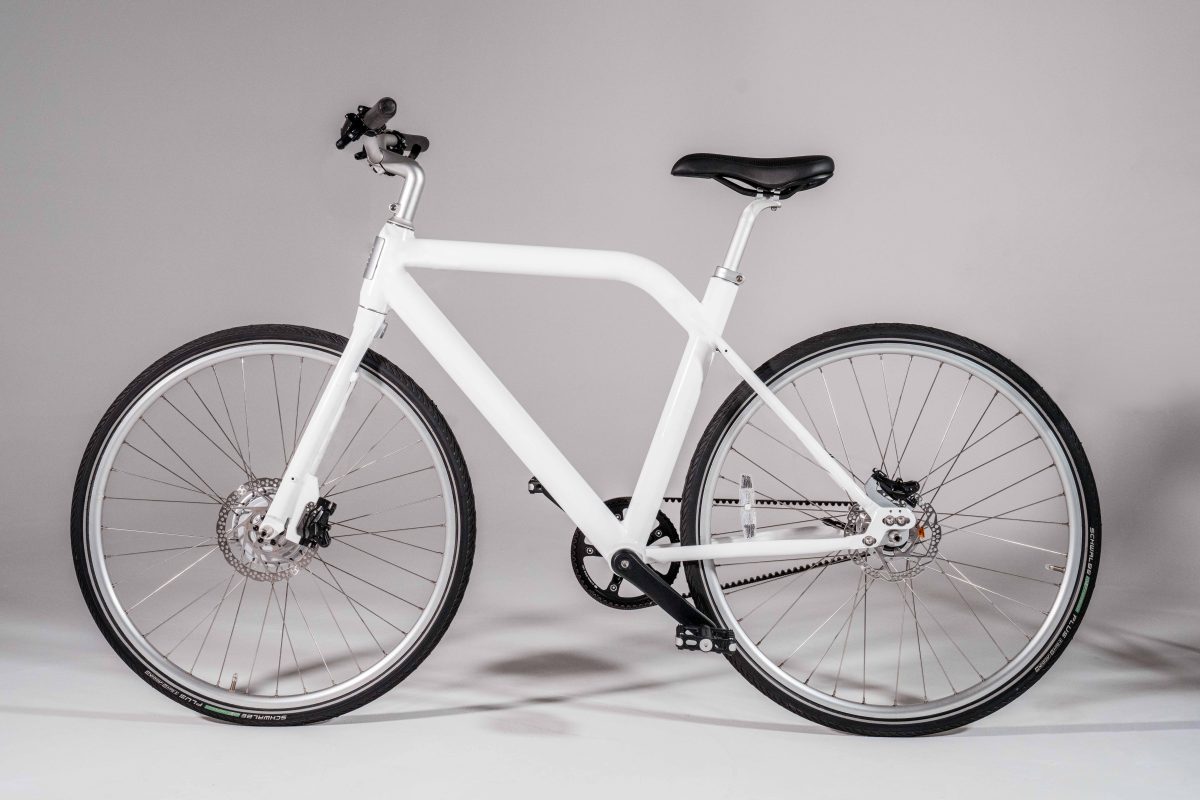
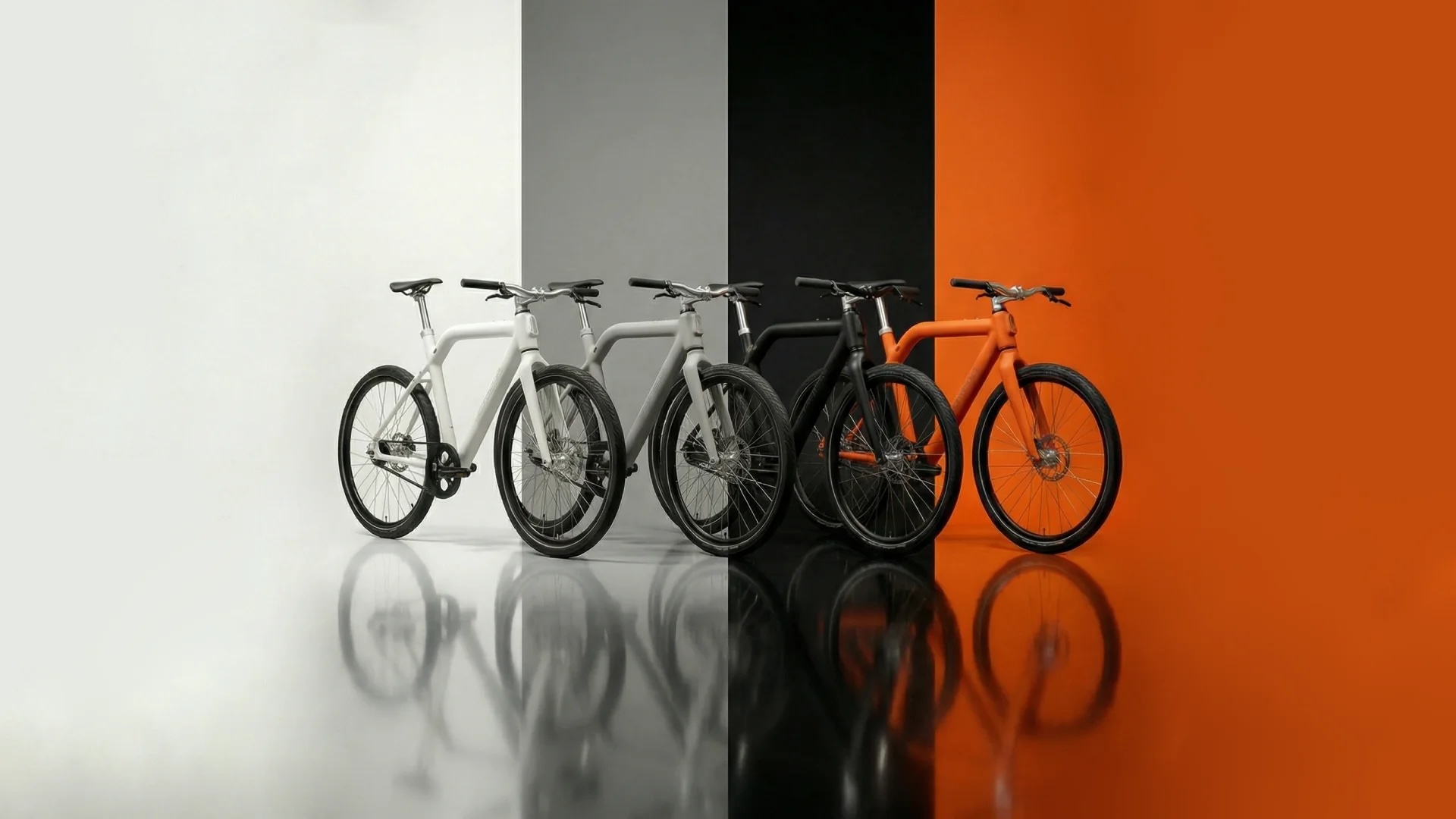
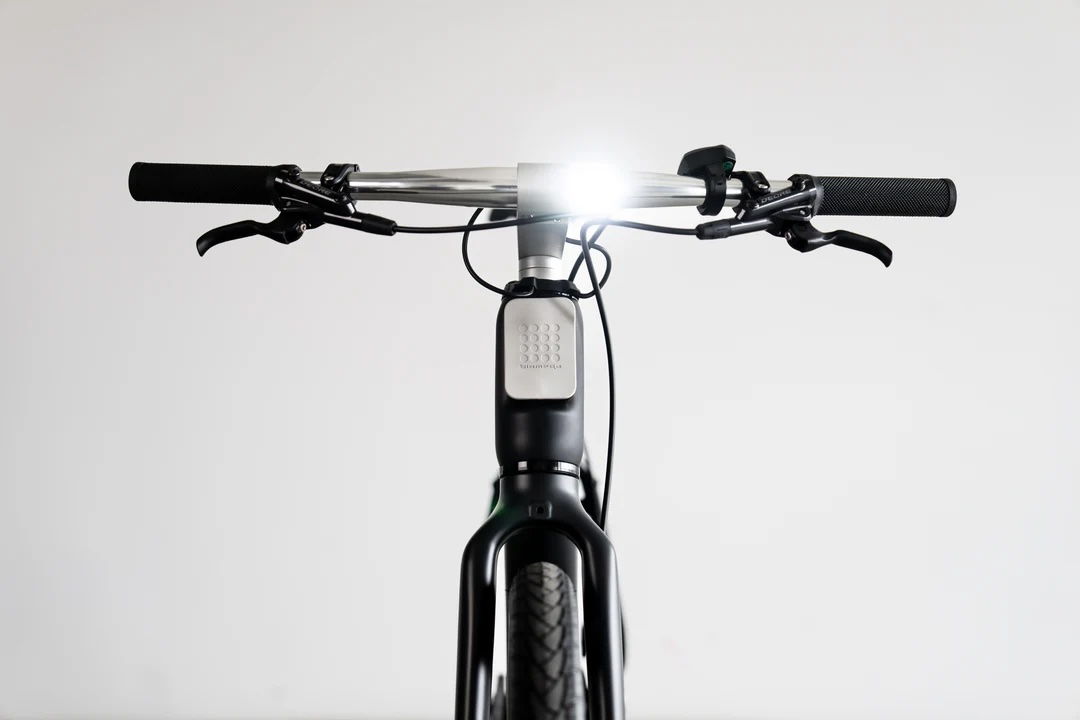
We did not want an e-bike that looked like an e-bike, with chunky batteries, cable clutter and a futuristic aesthetic. BER had to look like a classic Biomega bicycle. So the battery and motor are hidden, and the frame is light and minimalist.
We wanted the light, elegant and intuitive cycling experience, simply with e-assist added as an invisible improvement — something you could almost forget to turn on.
BTN: BER hides much of its electric identity: the battery and technology do not dominate the frame. Was that a conscious reaction against the visual heaviness of many e-bikes?
Absolutely. Many e-bikes look like technology products, with big batteries, thick frames and an aesthetic that screams: “I am an e-bike.” But we wanted a bike that felt like a natural extension of yourself, not a piece of machinery.
It was a deliberate decision to prioritise the user experience over complicated specifications.
BTN: A lot of e-bikes compete on power, range and specification. BER seems to compete on lightness, elegance, ease and emotional appeal. Is that the real white space in the market?
Many e-bikes focus on specifications but forget the bicycle experience: how it feels to ride, how it looks and how it integrates into your life.
BER competes on emotional value. It feels light, it looks good and it is easy to use. That is a white space because people buy with their hearts, not with spreadsheets. Of course, the specifications need to be good, but they are not the point.
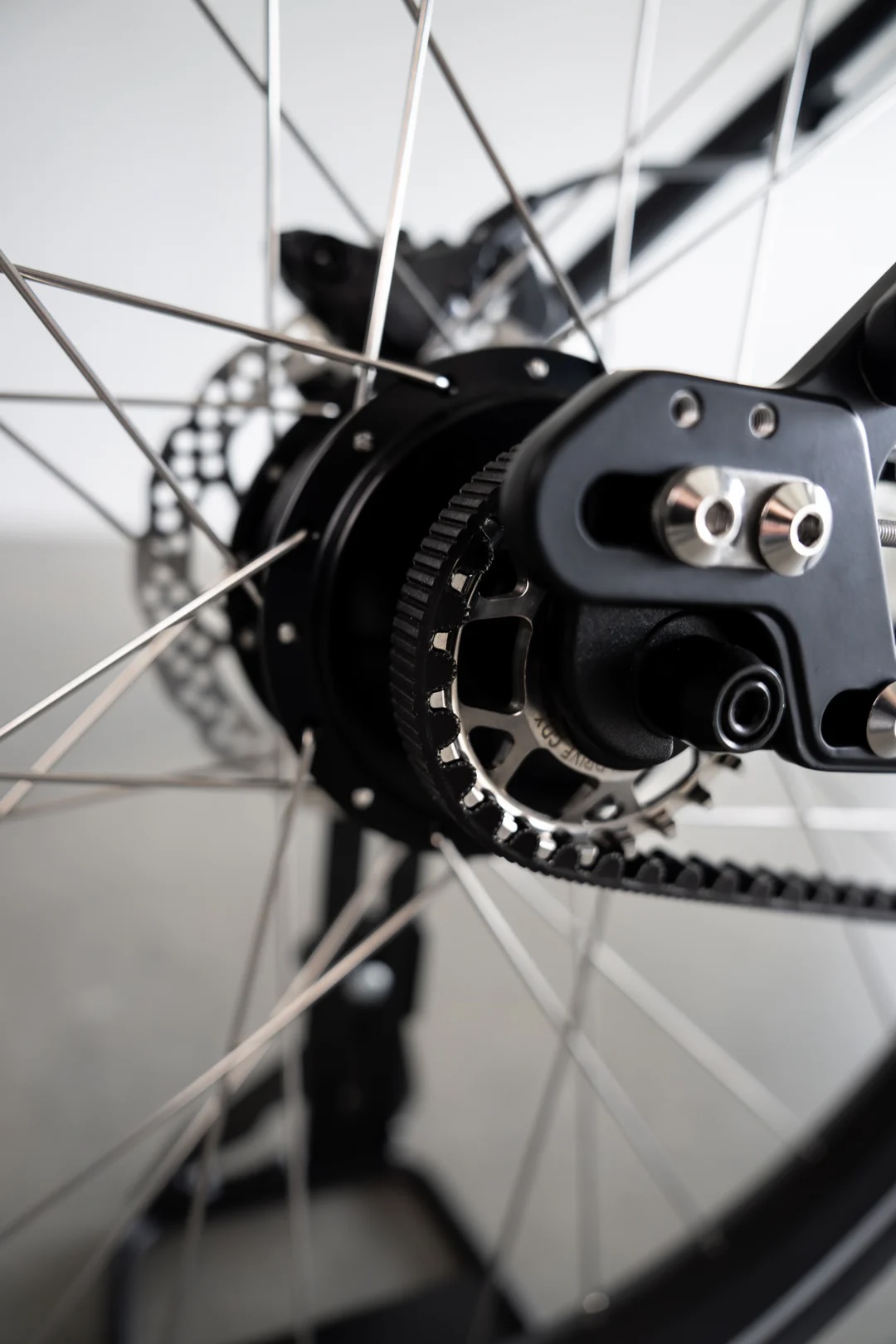
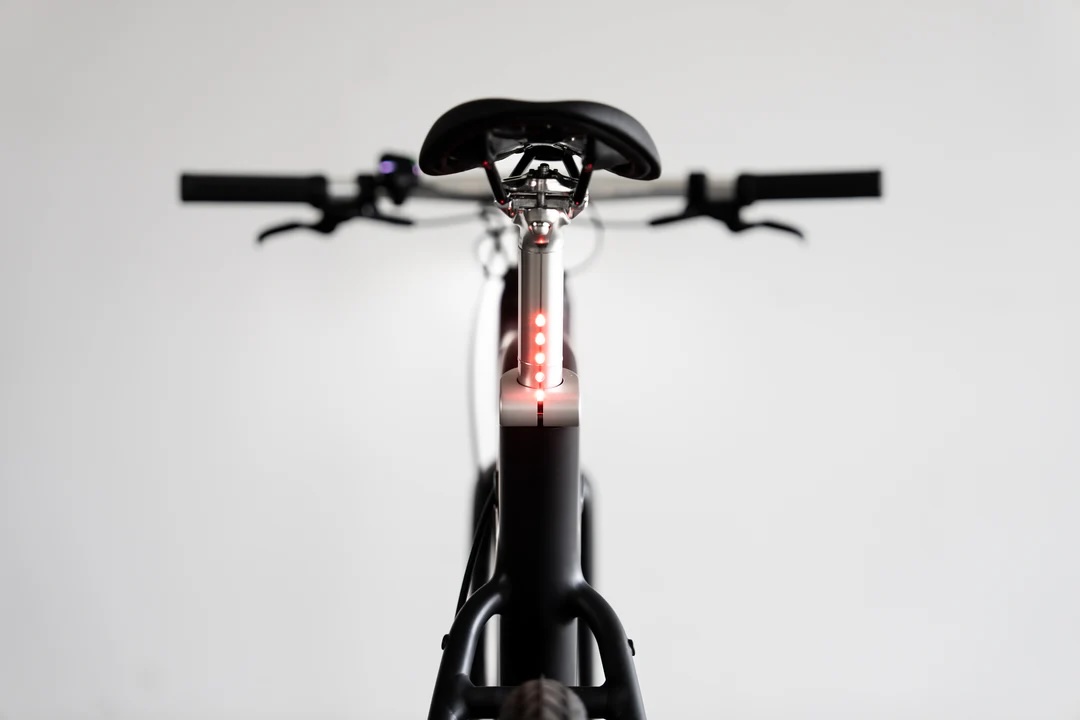
BTN: The BER has a Gates Carbon Drive, integrated lighting, single-speed gearing, app connectivity and a lightweight aluminium frame. Which feature do you think customers will appreciate immediately, and which will only reveal its value over time?
The immediate value is the lightness and elegance. People will instantly notice how easy it is to ride and how good it looks.
The value over time is the simplicity of the single-speed gearing and Carbon Drive. People may only realise how low-maintenance and reliable the bike is after months of riding without needing to adjust gears or lubricate a chain.
BTN: Biomega is now being relaunched in the United States around BER. Why is the U.S. commuter market ready for this kind of bike now?
Because America is discovering urban bikes as a real alternative to the car. Cities such as New York, San Francisco and Portland are investing heavily in cycling infrastructure, and people are seeking healthier, more sustainable and more enjoyable ways to get around.
BER is light enough to take in elevators and store in apartments. It is beautiful enough to appeal to design-conscious consumers, and easy enough to attract people who normally drive.
BTN: Biomega talks about cities with “more bike and less car.” Which inner-city journeys do you believe BER can realistically replace: car commutes, taxis, public transport connections, or the second family car?
Realistically, BER can replace short car commutes, especially journeys under 10 miles in cities with good cycling infrastructure. It can also replace some taxi trips, particularly short journeys from a train station to an office, for example.
Potentially, it can also replace the second family car for households that have one car for longer trips, but want a light, eco-friendly solution for daily use.
BTN: Many sustainable products are sold through guilt or sacrifice. Can beauty, desire and status be more powerful tools for getting people out of cars?
People do not necessarily buy sustainable products because they feel guilty. Mostly, they buy them because they want them. Tesla proved Biomega’s point for cars: you can sell sustainability through luxury, performance and status.
With BER, we are doing the same for bikes: making cycling cool for urbanites. If people feel like they look good, have fun and are doing something good for the planet, they will probably do it.
BTN: E-bikes still require batteries, electronics, manufacturing and logistics. How do you think honestly about the environmental trade-offs while still arguing for e-bikes as a greener urban solution?
I wrote about this years ago for the World Economic Forum in an article on the small, silent commuting revolution.
No solution is 100% sustainable, but bicycles are among the cleanest transportation solutions around. E-bikes do pollute more than conventional bicycles, but only marginally, and they are still far more efficient than cars.
It is about doing the best we can within the constraints we have, not waiting for a perfect solution.
BTN: Ten years from now, what would make you proudest: BER winning design awards, entering museum collections, becoming commercially successful, or quietly replacing thousands of car journeys?
Quietly replacing thousands of car journeys, because that is the purpose of all this — and to enjoy life. Design awards and museum collections are wonderful, and commercial success is necessary to scale the idea. But the real success is making cities and lives better, and getting people to see the bike as the obvious choice in cities.
If BER can help make cities more livable, healthier and more sustainable, then we have all won.
Learn more about Biomega’s BER
Interviewed by Sid Thaker