Arizona Humane Society and other Phoenix shelter provide tips to protect your pets – and find them if they go missing
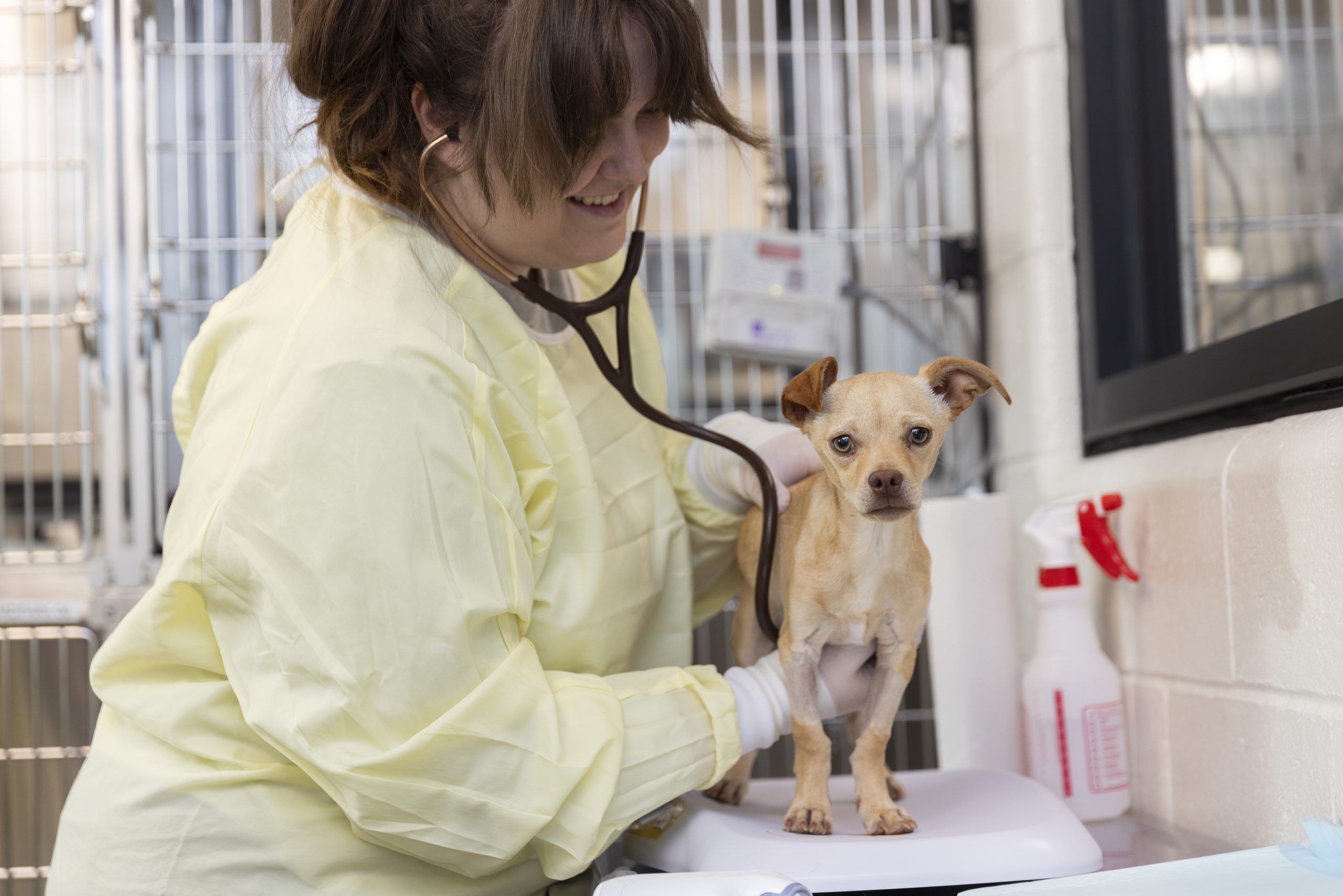
PHOENIX – An estimated 1 in 3 pets go missing in their lifetimes. With the weather heating up and summer celebrations on the horizon, we’re approaching one of the peak seasons for lost animals in the Valley.
Memorial Day and the Fourth of July are among the most common times pets go missing, said Paulina Garcia Forte, social media and content specialist for the Arizona Animal Welfare League.
“Cats and dogs, they get spooked very easily,” Garcia Forte said. “They’ll run away. It’s very easy to get lost in all things that are happening. Maybe you don’t even notice.”
Here’s what to do if your pet goes missing:
- Walk around your neighborhood. Chances are, your pet hasn’t gone too far. Ask your neighbors if they’ve seen your furry friend — and if they can keep an eye out for you.
- Post on social media and any neighborhood apps you use. Facebook and NextDoor are good options.
- Post fliers. Not everyone is on social media or looking at apps.
- Go bigger. Post your pet on Petco Love Lost for more reach.
Petco Love Lost is an AI database that uses facial recognition. Upload a photo of your pet to see if any shelters or other users have posted a pet matching that description.
“Technology is on our side right now,” said Kim Powell, communications supervisor for Maricopa County Animal Care and Control. “If you can use a matchmaking tool to reunite your lost pet, that’s everything.”
In March, Powell said, MCACC had 1,698 pets come in. Of those, 1,151 were lost animals.
“The majority of the dogs that we get in are all lost pets, which is really heartbreaking,” she said.
It starts with prevention
Valley experts recommend a few key steps to keep your pet safe, starting with microchipping.
“We always recommend microchipping your pets,” Powell said. “It’s not something that’s going to fall off of them, that can’t be tampered with.”x
But the microchip doesn’t do much if it’s not updated with your current contact information. Kelsey Dickerson, a spokesperson for Arizona Humane Society, said that’s the key in getting a lost pet home quickly.
“There’s a lot of times when these pets come into the shelter and we try calling, but the number isn’t working anymore,” she said.
Here’s how to update your pet’s microchip:
- Find the microchip number. You can find this on your animal’s adoption or vet records. If you can’t find it, ask a vet to scan your pet.
- Identify which company microchip is registered. Don’t know it? The American Animal Hospital Association has a free database to find where your pet’s microchip is registered.
- Contact the company. You can log into the company’s website or call to update your phone number, address and email. You can even transfer ownership.
She added that a secure collar or harness is another way to make sure your pet doesn’t get away from you.
“Especially on those walks, you want to make sure that they don’t wiggle out of those collars,” Dickerson said.
If your pet spends time alone outside, that’s one more spot to secure.
“Make sure your gates are secured,” Garcia Forte said. “Check your backyard. Some dogs like to dig holes, and if the hole is big enough, they could get out if they wanted to.”
Having guests over can sometimes overwhelm your pet, Garcia Forte said, so it’s important they have a safe space to be calm and relax.
The three shelters also have low-cost resources, including:
Many pets don’t find their way back home
Last year MMACC had over 17,600 pets enter their care. Only about 1,800 returned safely home, and over 11,500 were adopted into new homes.
Adoption is crucial in making sure not all pets remain in shelters, and that they can have a safe new home.
“When you’re adopting, you’re expanding the walls of the shelter as well,” Dickerson said.
Pets available for adoption from the Humane Society are spayed or neutered, vaccinated, microchipped and have a behavioral and medical background.
The AAWL has about 4,000 adoptions every year, and potential owners can meet with the shelter to find the right pet.
“When you come into our shelter, we have a matchmaker form where you can fill out kind of what your lifestyle is and what you’re interested in,” Garcia Forte said. “From there, our adoption counselors can help you find your right match.”
For full shelter resources and to view adoptable pets, visit:
Related

Source link