This federal data helps shape policy. It’s 6 months late : NPR
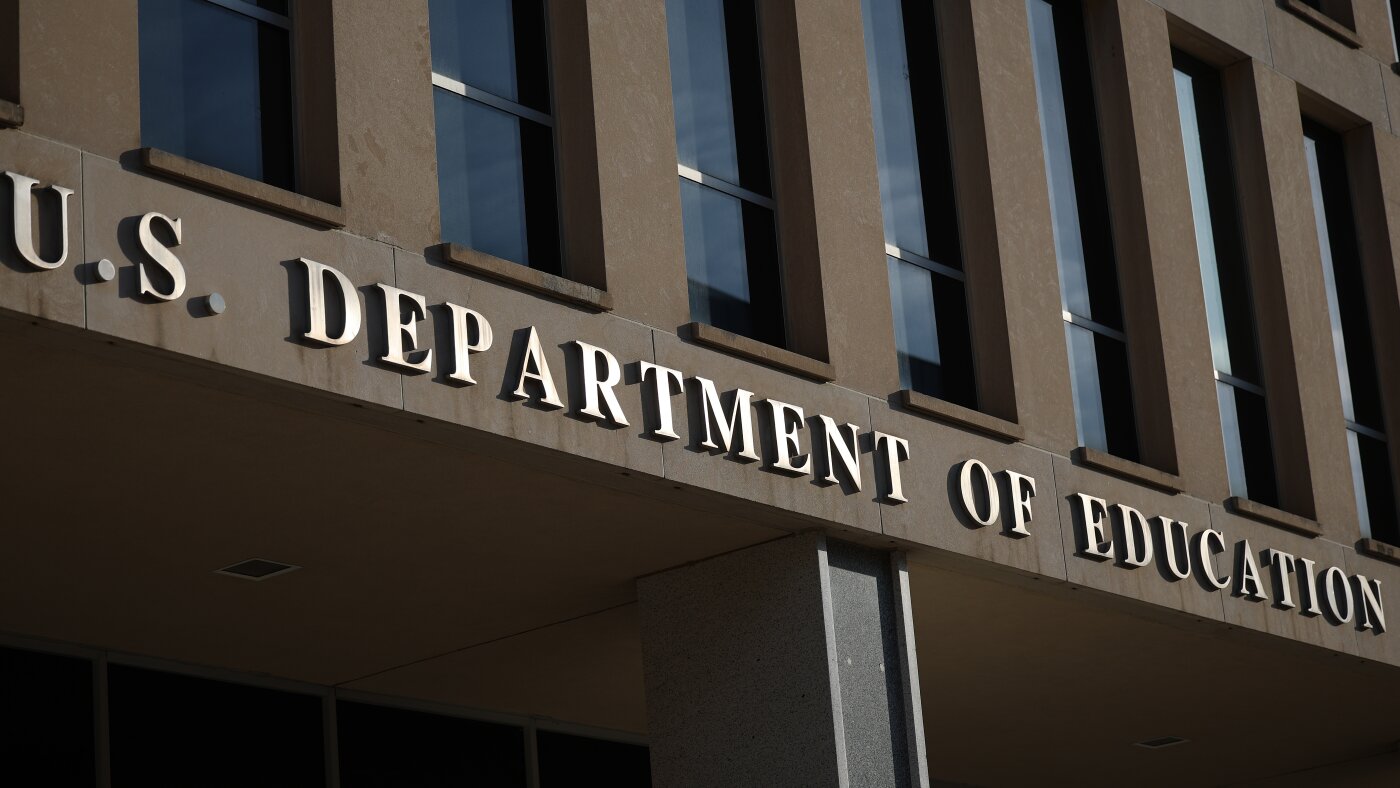

For more than 50 years, the Education Department has revealed a host of realities about how students are being treated in every public school across America: which kids are being bullied, which ones are being harassed and which students can access the internet, among other things. The agency’s Civil Rights Data Collection is intended to do just that — help keep schools accountable.
The latest information, collected about the 2023-24 school year, was supposed to be published last December, according to the Education Department’s own deadline.
But it hasn’t been.

The agency hasn’t responded to multiple requests from NPR asking what’s behind the delay.
Federal bureaucracy can be slow, and delays aren’t always cause for concern, but advocates are on edge in the midst of recent plans the Trump administration announced to move the Office for Civil Rights — which houses the Civil Rights Data Collection (CRDC) team — from the Education Department to the Department of Justice.
That planned transfer follows months of federal action that upends the way students’ civil rights have been protected in the past: The Trump administration has cracked down on initiatives related to diversity, equity and inclusion, for example, and prioritized investigating schools that allow transgender athletes to compete in women’s sports.
“This administration has repeatedly applied civil rights law in ways that ignore or dismiss the very real inequities that persist in our education system,” says Denise Forte, president and CEO of EdTrust, a think tank focused on addressing education inequity. The delay in releasing the CRDC data, she says, “raises serious concerns, particularly as this administration seeks to downplay the impacts of racism and economic inequality in public education.”
A former Education Department employee who worked on the CRDC tells NPR the team is still intact. However, its future is unclear: While the Trump administration has announced the Office for Civil Rights is moving to the Justice Department, the process could take months, like other plans to outsource parts of the Education Department’s work. The former employee, who asked not to be named out of fear of professional repercussions, said part of the delay may have to do with the 2025 government shutdown that affected operations at the Education Department for over six weeks, including work on the CRDC.
The department also has been winding down its operations since the Trump administration took office, cutting about half the department’s overall staff last year.
Lindsay Kubatzky, director of policy and advocacy at the National Center for Learning Disabilities, agrees with Forte’s assessment that a delay in this data may have to do with the Trump administration’s chipping away at systems that have historically helped hold schools accountable for protecting students’ civil rights. “This administration unfortunately has proposed a lot of policies that would make it less transparent on how students with disabilities in particular are being served in public schools,” he says.
For example, Kubatzky points to how the Trump administration has proposed eliminating a requirement for states to track which students are being identified as having disabilities based on race and ethnicity. Historically, Black and brown students are more often wrongly identified as needing special education than their peers.
While that disability data is not directly tied to the CRDC, Kubatzky says it’s an example of the administration working to undo federal civil rights accountability tools. The CRDC, he says, also plays a key role in helping advocates show where “schools are not serving students and it also gives us a lever to push for policies that are more inclusive and less negative toward students.”
For example, Democratic Sen. Cory Booker of N.J. and U.S. Rep. Joaquin Castro of Texas used findings from CRDC data to craft a bill proposing the expansion of access to Advanced Placement courses for underrepresented students, including minority and disabled students, whom the data found had unequal access to these classes. A spokesperson for Booker’s team said the bill would be reintroduced in the coming days.
One of the questions the delayed dataset was set to answer is which students have access to the internet as AI plays a bigger role in education, according to the former CRDC staffer who spoke on condition of anonymity. “Like, are our schools ready to usher in this wave of AI? Will all students have equal access to devices and internet capabilities?” the person said. “How do we know if the CRDC doesn’t come out?”
The former staffer described the CRDC team as a deeply committed group of people who are focused on ensuring “access and opportunity” for the nation’s most marginalized students. “We can’t make the right decisions for students if we don’t have insight into their current realities.”
Edited by: Nirvi Shah
Visual design and development by: LA Johnson
Source link