Japan’s first luxury hotel in a former prison introduces a new model for cultural preservation | News
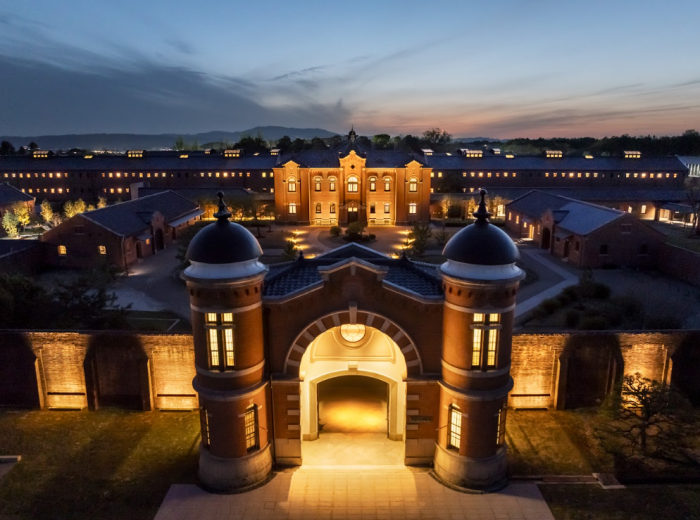
Leading Japanese hospitality brand Hoshino Resorts celebrates the opening of HOSHINOYA Nara Prison on June 25, 2026 – a landmark hotel located in the former Nara Prison, one of Japan’s most historically significant architectural sites.
The 48-room luxury hotel gives new life to the only grand architectural legacy left fully intact among the ‘Five Great Prisons’ of the Meiji era (1868-1912).
Spread over 25 hectares, the development also includes Hoshino Resorts’ Nara Prison Museum, which is located next to the hotel and provides insight into the deep historical and architectural significance of the site, helping to preserve this cultural asset for future generations.
Historical significance of the iconic former Nara prison
The Meiji government (1868-1912) wanted to modernize the country’s legal system and built the “Five Great Prisons of Meiji” as a testament to national prestige. Today, the former Nara Prison is the only remaining building that has preserved its original structure almost perfectly. Completed in 1908 under the design of architect Keijiro Yamashita, the building has red brick exterior walls. It is based on the Haviland system, a layout in which cell wings radiate outward from a central station. It became the model for modern prisons, seamlessly combining functionality with its unique architectural style. In 1946, the facility was renamed the Nara Juvenile Prison, which served as a center for rehabilitation and education for more than 70 years. In recognition of its profound historical value and conceptual design, it was designated a Nationally Important Cultural Property in 2017.
Hoshino Resorts’ new Nara Prison Museum uses a series of curated exhibitions to explore the layered history of the prison and its relationship with society, offering new perspectives that challenge everyday perception. The museum is connected to the hotel by an exclusive path, giving hotel guests unlimited free access during the day (9am–5pm) and private access to selected areas of the museum in the early morning (6am–8:30am) and late evening (6pm–11pm), allowing time for quiet exploration and reflection.
Protection of important cultural properties through tourism
Originally built as a symbol of Japan’s modernization, the former Nara Prison is now recognized as a rare cultural monument. To ensure the preservation of its unique heritage, Hoshino Resorts worked with the national government and a team of experts to carefully restore the site over a period of seven years – meticulously preserving the building’s historic integrity and original character, while reimagining it as a contemporary luxury hotel.
The project also offers a groundbreaking new approach to the ‘heritage cycle’, showing how tourism and hospitality can help protect and preserve important cultural sites for future generations.
From historic walls to timeless elegance
HOSHINOYA Nara Prison transforms a century of institutional history into a sanctuary of refined luxury. Inspired by the Meiji era – the dawn of modern Japan – the hotel seamlessly weaves the rich, Western-influenced cultural elements of the country’s early globalization into every detail of the guest experience. Here the deep weight of history meets an escape from the mundane, creating a deeply compelling journey in which a great architectural legacy begins its next timeless chapter.
Design: a fusion of former prison history and contemporary aesthetics
Guests arrive at HOSHINOYA Nara Prison through the historic main gate, the original entrance to the former prison. Behind this lie the striking central guardhouse and the radial wings of the old cell blocks, which have been reimagined from a purely functional space into a unique architectural statement. Contemporary lighting has been carefully integrated into the extensive grounds of approximately 100,000 m², to soften the building’s imposing structure and create a sense of warmth and intimacy.
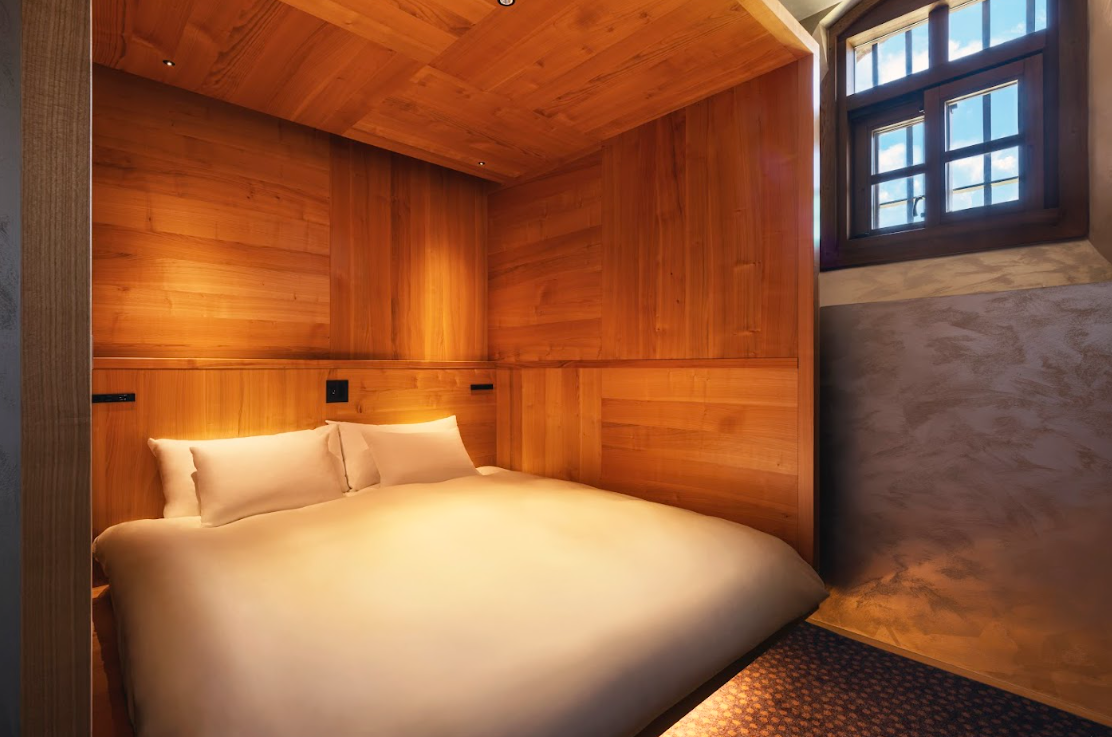
Guestrooms – The hotel’s 48 spacious suites were created by connecting multiple former cells, transforming the original sense of confinement into a powerful and striking design statement. The largest accommodation, ‘The 11-Cell Deluxe’, consisting of 11 original cells, has a large living room and dressing area with amenities such as comfortable room clothes, a selection of books chosen to encourage reflection, music designed to promote relaxation, soothing custom scents and carefully selected wines and local sake. Original details remain central to the design, with exposed historic hand-laid brickwork, preserved ceiling moldings and robust steel pillars, balanced by warm wood panelling.
Main Lounge – Defined by a dramatic open atrium, the space combines preserved structural beams and arched windows with a bold contemporary design. Large-scale artwork, European furnishings and details inspired by Japan’s embrace of Western culture create an atmosphere that feels both refined and welcoming. Seasonal drinks, sweets and a curated collection of travel and architecture books further enhance the space and create an inviting environment for quiet reflection and relaxation.
Courtyard – Defined by geometrically arranged walkways, the courtyard features private terraces that open to the sky, creating a striking modern space. In the soft afternoon light it is the perfect place to read or enjoy tea, and in the evening a luxurious feeling of calm and tranquility is created by the moonlight-inspired lighting.
Dining Lounge – A sophisticated social space where you can enjoy a pre-dinner aperitif and a bar open until late at night. Inspired by traditional Japanese warehouses, large windows create an open space where indoors and outdoors merge. Overlooking the lush greenery of the courtyard and the beautifully illuminated nighttime landscape, this space embodies the luxurious passage of time and creates an elegant social atmosphere.
Dining: a gastronomic journey through Japan’s modernization
The main dining area is housed in a separate building transformed from former solitary cells and meeting rooms and features semi-private spaces for up to six guests. High-placed windows capture the soft morning sunlight and frame the night sky, offering a relaxing, intimate dining experience.
Dinner: Gastronomy Chronicle – A multi-course experience exploring the evolution of French cuisine in Japan through four themes: early development, maturity, modernity and future. Starting with an appetizer, the meal progresses through dishes inspired by Japan’s early embrace of Western cuisine (known as yōshoku), including a starter of bite-sized classics, followed by braised sole with traditional Albert sauce, and contemporary creations that reflect a modern and sustainable approach to fine dining. Thoughtful presentation and subtle touches of humor contribute to the feeling of a culinary journey through time.
Breakfast: Meiji-style breakfast – The signature breakfast offers a taste of the Western food culture that arrived during the Meiji period. It traces the origins of modern staples and offers small, carefully composed portions of dishes such as a Scotch egg served with Worcestershire sauce (once celebrated in Japan as Western soy sauce), crab croquettes and fried shrimp. Alternatively, guests can choose a traditional Japanese breakfast, a standard Western breakfast or a light take-away breakfast.
Activities: cultural and sensory experiences
HOSHINOYA Nara Prison also introduces a range of exclusive activities and experiences for guests, designed to promote a deeper connection with the history of the property and the surrounding area. Experiences include a complimentary daily Akane Tea Salon (3:00 PM–4:30 PM) in the Main Lounge. Akane is the traditional Japanese name for the rich shade of madder red that adorns the space and the welcoming experience features aromatic Wakōcha (Japanese black tea) sourced from Tsukigase, Nara, served in elegant Japanese tea sets in tribute to the introduction of Western tableware in the Meiji era.
Guests are also invited to a daily Gramophone Soirée (9:00 PM–10:30 PM), where they can enjoy a social hour dedicated to the nostalgic sounds of a vintage gramophone, or an Evening Fragrance Blending (9:30 PM–10:30 PM | JPY 12,100 | Reservations required), an experience that explores the perfume culture brought to Japan during the Meiji period. Guests create a bespoke fragrance that evolves over time and receive an original brick-inspired terracotta diffuser gift box to take home.
Hoshino Resorts brand growth in 2026
The opening of HOSHINOYA Nara Prison comes amid a period of continued growth for Hoshino Resorts. In 2026 alone, the company will expand its portfolio with several notable openings, including KAI Kusatsu in Gunma Prefecture, KAI Miyajima in Hiroshima Prefecture and KAI Zao in Yamagata Prefecture, further strengthening the collection of hot spring ryokan experiences across Japan. Looking ahead, the company is also preparing for the opening of HOSHINOYA Asuka in Nara Prefecture in 2027. These developments reflect Hoshino Resorts’ continued commitment to creating distinctive hospitality experiences that celebrate the culture, history and natural character of each destination.
For more information about Hoshino Resorts, see https://hoshinoresorts.com/en.