Beyond the Desert Horizon: Saudi Arabia’s Expanding Tourism Vision | Focus
From “Essential Only” to Global Hospitality Hub: How the Kingdom is leveraging the Future Hospitality Summit to execute a resilient post-war tourism reframe.
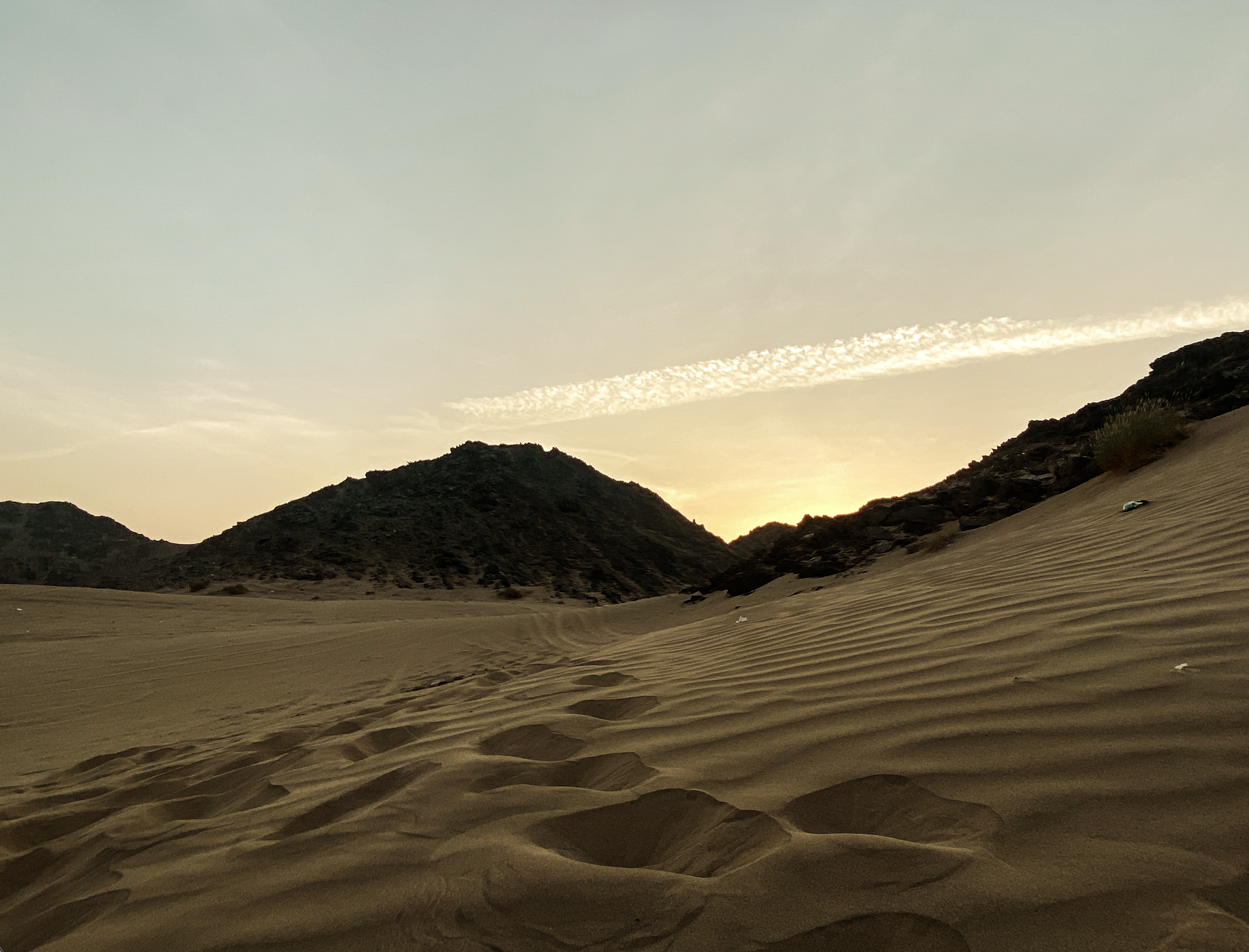
From the air, Saudi Arabia appears almost abstract. A vast wash of ochre and sand, ridged and folded by time, its scale difficult to comprehend. At altitude, the desert can seem empty; blank, austere, uninhabited. A monochrome expanse stretching to the horizon.
And yet, step into it, and that impression dissolves. The desert is rich with life, culture, heritage.
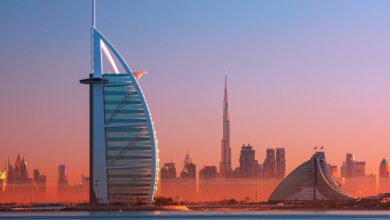
The same could be said of Saudi Arabia’s tourism story. From afar, the destination once appeared vast, closed, and impenetrable. As 2030 draws nearer, and as Riyadh actively hosts global powerbrokers at the Future Hospitality Summit (FHS) Saudi Arabia, Breaking Travel News travels to Riyadh, AlUla, Jeddah, and King Abdullah Economic City to assess how Saudi Arabia’s tourism transformation is materializing on the ground.
This assessment arrives at a critical juncture of geopolitical recalibration. Following recent regional conflict, during which major hubs like Riyadh were temporarily restricted to “essential travel only,” the Kingdom is aggressively executing a post-war reframe. With travel advisories normalizing and international institutional investors representing a staggering $4.99 trillion in assets under management filling the rooms at the Mandarin Oriental Al Faisaliah this week, the narrative has shifted decisively from crisis resilience to unchecked momentum.
Since tourism visas were introduced in 2017, headlines have been dominated by giga-projects, record investment figures, and architectural ambition on a planetary scale. But on the ground, in markets, in museums, in coral-brick houses, and under star-dense skies, a more textured narrative emerges: one of heritage, hospitality, and a nation actively proving its stability and rewriting its global presence.
Salwa palace, Diriya
Recalibrating the Narrative: From Essential to Exceptional
In recent years, Saudi Arabia has arguably been the defining story in global tourism. Under Vision 2030, the Kingdom has undertaken one of the most ambitious economic diversification programs in modern history, positioning tourism as a structural backbone of future growth.
However, the path has not been without its macroeconomic tests. The recent regional war and geopolitical instability temporarily slowed international arrivals, forcing corporate travel and major hubs like Riyadh into “essential travel only” classifications. But as regional tensions subside, a swift reclassification is underway.
The strategy has decisively shifted from crisis management to a robust post-war reframe. Global advisories are normalizing, and the Kingdom is proving its resilience. Strikingly, lower international demand during the height of the conflict was heavily cushioned by a massive surge in domestic travel—with domestic tourism rising 16% in early 2026 alone. Now, with stability returning, international institutional capital is returning in force to back Saudi Arabia’s premium and luxury infrastructure.
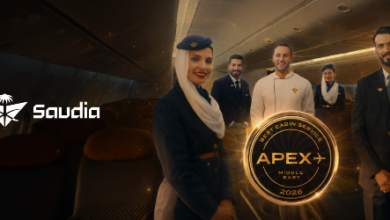
Beginning from the Saudia Lounge at Heathrow, where Arabic coffee and dates are offered as a gesture of welcome even before departure, the message is clear: hospitality is a cultural currency that remains unaffected by regional shifting winds.
Riyadh: Strata of Time, Layers of Change
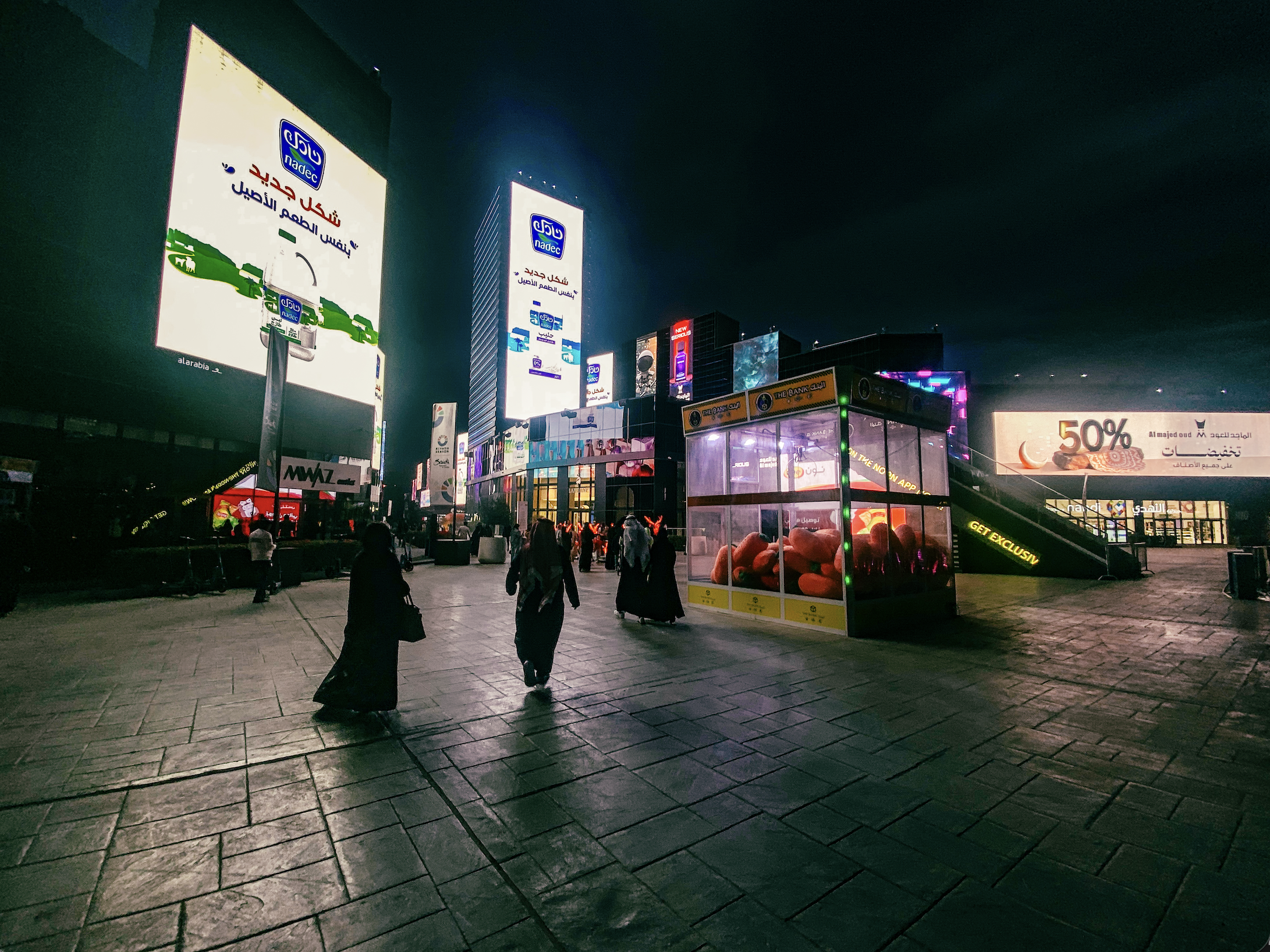
Arriving in Riyadh in winter delivers an immediate lesson in assumptions. The desert capital can be unexpectedly cold, the air crisp against the glass facades and construction cranes that now define much of its skyline. The city is visibly in motion, an energy of potential. Roads expand, metro lines near completion, entertainment districts rise. There is a palpable sense of acceleration.
And yet, beneath this forward momentum lie deep strata of history.
At the National Museum, visitors are taken through geological epochs, prehistoric artifacts, and the formation of the Arabian Peninsula long before oil transformed the global economy. The story of petroleum, buried solar energy accumulated over millennia becomes both a literal and symbolic foundation for what follows. Vision 2030 represents, in many ways, a transition from extracting ancient sunlight to cultivating new sources of economic vitality in solar futures.
In Al Masmak Castle, the narrative shifts to the unification of the Kingdom and the siege that shaped its modern identity. In Al Dira Souk, antiques change hands in lively auctions, textiles and brass coffee pots reflecting centuries of trade. After prayer, worshippers spill from mosques into bustling streets, the rhythms of tradition interwoven with the cadence of development.
Riyadh Boulevard and Boulevard World offer a different register. Immersive entertainment zones with global influences, with cable cars gliding above the entertainment districts. The atmosphere can feel unapologetically international, even theatrical. Yet they are popular, animated by local families and young Saudis embracing new leisure spaces.
A short drive away, Diriyah presents a carefully curated account of the Kingdom’s origins. The UNESCO-listed At-Turaif district has become both heritage site and lifestyle destination, with restaurants and cultural venues drawing a visibly diverse crowd. The scale of restoration and investment underscores the strategic importance of narrative. This is history preserved and positioned.
Everywhere in Riyadh, construction signals intent. Conversations frequently turn to upcoming attractions, from major theme parks like the recently opened Six Flags to cultural institutions. For the travel trade, this translates into supply pipeline, event potential, and long-term confidence.
AlUla: Time Suspended in Stone
If Riyadh represents velocity, AlUla embodies stillness.
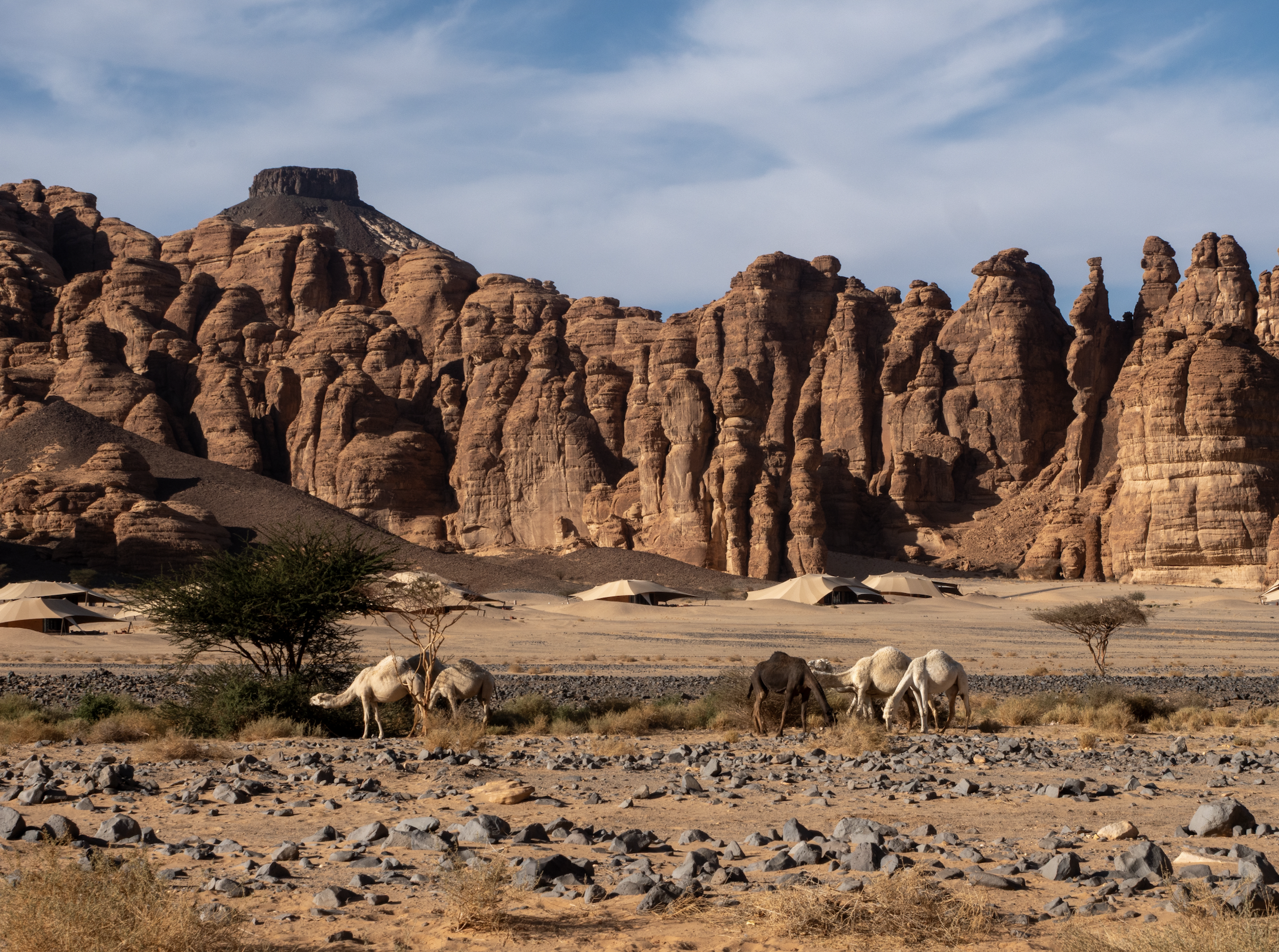
Flying into this north-western landscape is like entering a geological stage set. Rock formations rise in sculptural forms, shaped by ancient rivers and volcanic activity long since extinguished. From a distance, the terrain can appear barren; within it, oases emerge, scrub vegetation clings to life, and history surfaces in monolithic tombs carved by ancient civilisations.
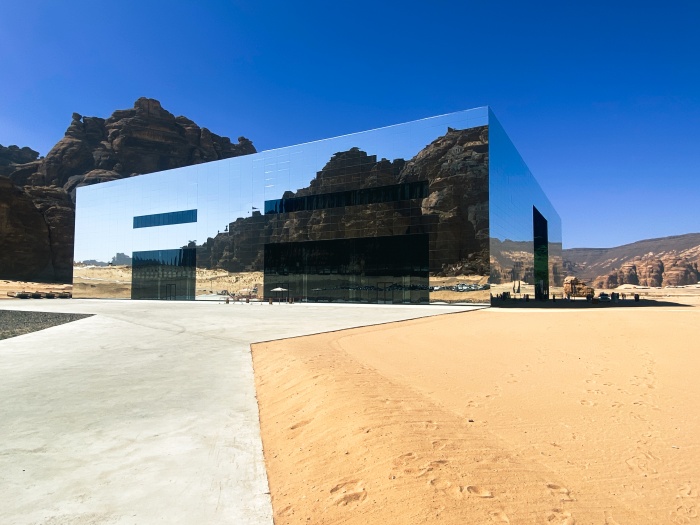
At Harrat Viewpoint, the horizon stretches uninterrupted. At Maraya, the world’s largest mirrored building, the landscape folds into itself, reflections dissolving boundaries between architecture and environment. It is both futuristic and ancient, a dialogue between millennia.
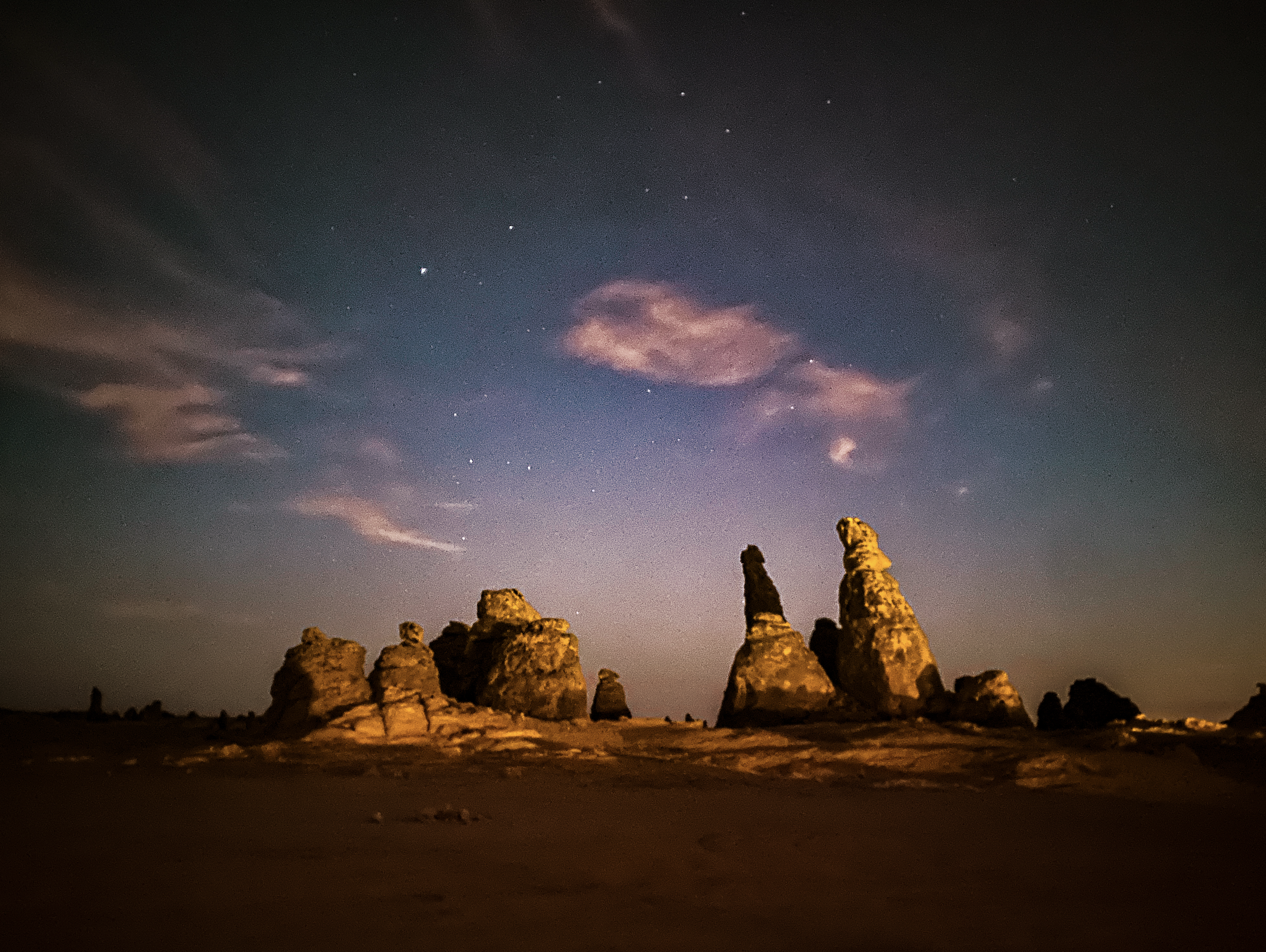
As dusk settles at Al-Gharamel, stargazers gather for Bedouin-style dinners beneath a sky unpolluted by light. The lava lamp formations of the rock seem to huddle together like ancient figures under the stars. Bedouin stories of constellations mingle with conversations about space exploration, a reminder that Saudi Arabia’s narrative now extends beyond Earth. The participation of Saudi astronaut Rayyanah Barnawi, the first Saudi woman in space, offers a powerful bridge between ancient star lore and contemporary ambition.
Accommodation in AlUla, including design-led properties such as Our Habitas, reframes luxury. Luxury in AlUla is not marble opulence; it is spatial privilege, silence, curated intimacy with landscape. Here, it is about immersion in the liquid landscape with safari-style cabins set amid sculptural rock, privacy defined by silence and scale. This signals a shift toward experiential, sustainability-conscious tourism aligned with global high-end trends.
AlUla demonstrates a key dynamic within Saudi tourism: development anchored in heritage. The landscape feels timeless, yet the infrastructure is decisively modern.
Jeddah: Gateway and Continuity
Approaching Jeddah from the air, the coastline appears expansive, dunes stretching into turquoise waters punctuated by coral reefs and sand spits. On the ground, the city reveals a distinct personality.
As an historic port and gateway for pilgrims undertaking Umrah, Jeddah has long been cosmopolitan. The dress palette feels broader than in Riyadh; abayas in colour rather than predominantly black, white ihram garments marking spiritual journeys, and an ease born of centuries of exchange.
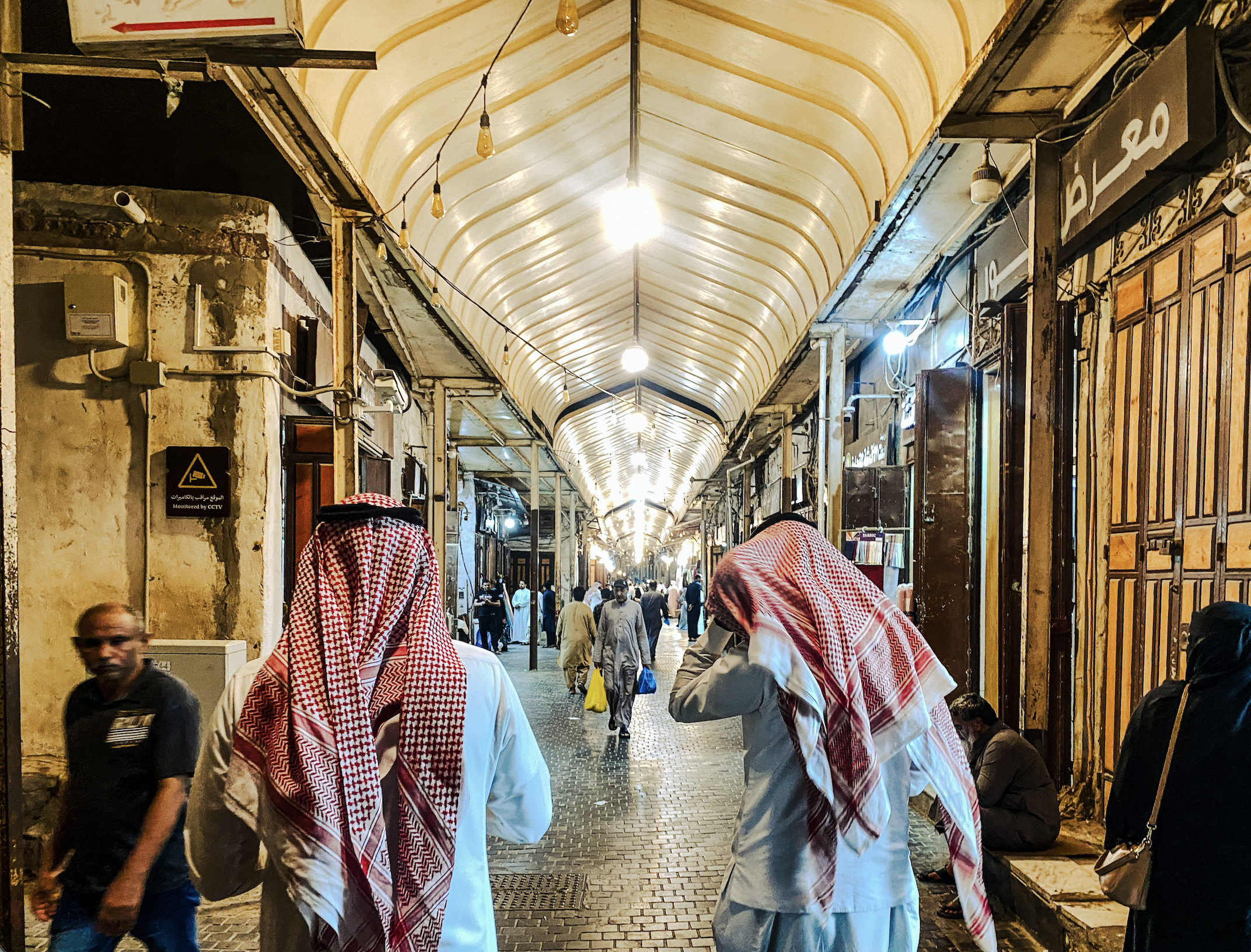
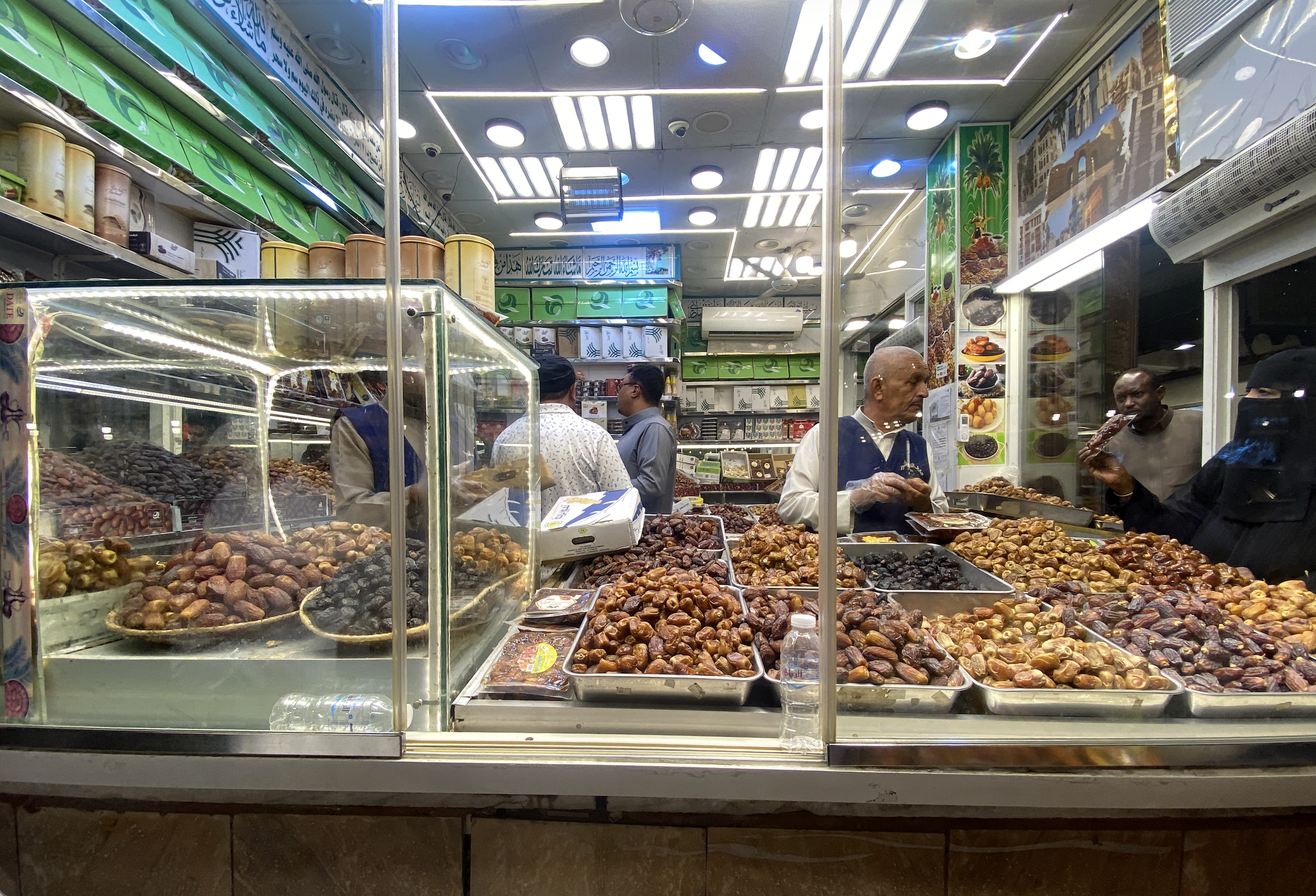
In Al Balad, the UNESCO World Heritage district, coral-stone houses with intricate wooden latticework balconies stand as testimony to maritime prosperity. Markets bustle late into the night, dates and honey samples offered generously. At the Al Tayebat Museum, textiles and artifacts trace trade routes that once linked Arabia to Africa, Asia and beyond.
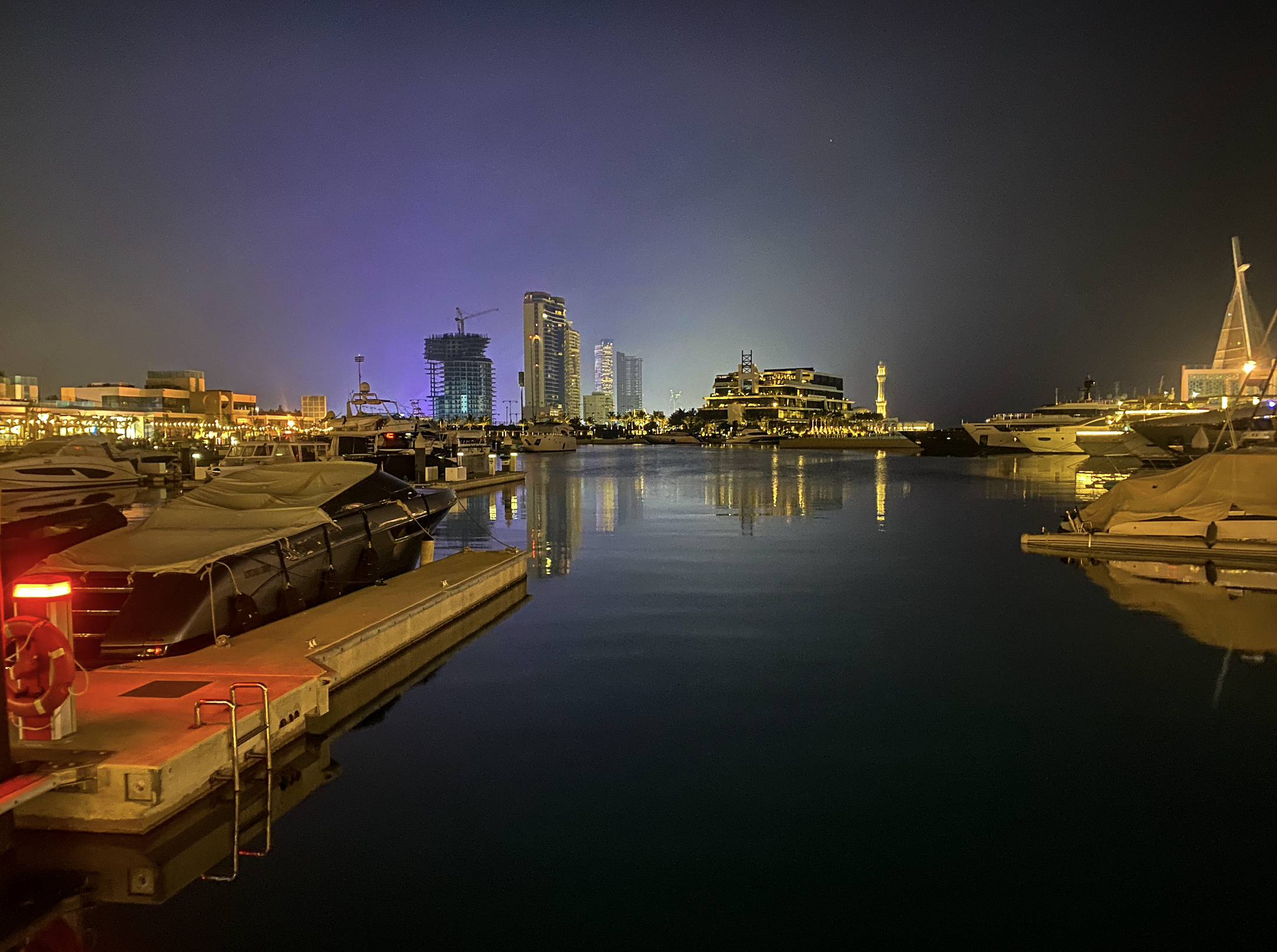
Dining is central to the experience. In coastal Thuwal, guests select fresh seafood before retreating to private rooms for communal meals. At sunset, desert excursions offer camel encounters, feeding them by hand and drinking their fresh foaming milk, and high octane drifting across dunes in 4x4s. At night the horizon is lit by palace silhouettes across the water.
Jeddah is both heritage city and contemporary leisure hub. The emerging yacht club and waterfront developments speak to future ambition, while centuries-old architecture anchors authenticity.
King Abdullah Economic City: Infrastructure and Intent
On the Red Sea coast, King Abdullah Economic City (KAEC) illustrates another facet of Vision 2030: integrated planning.
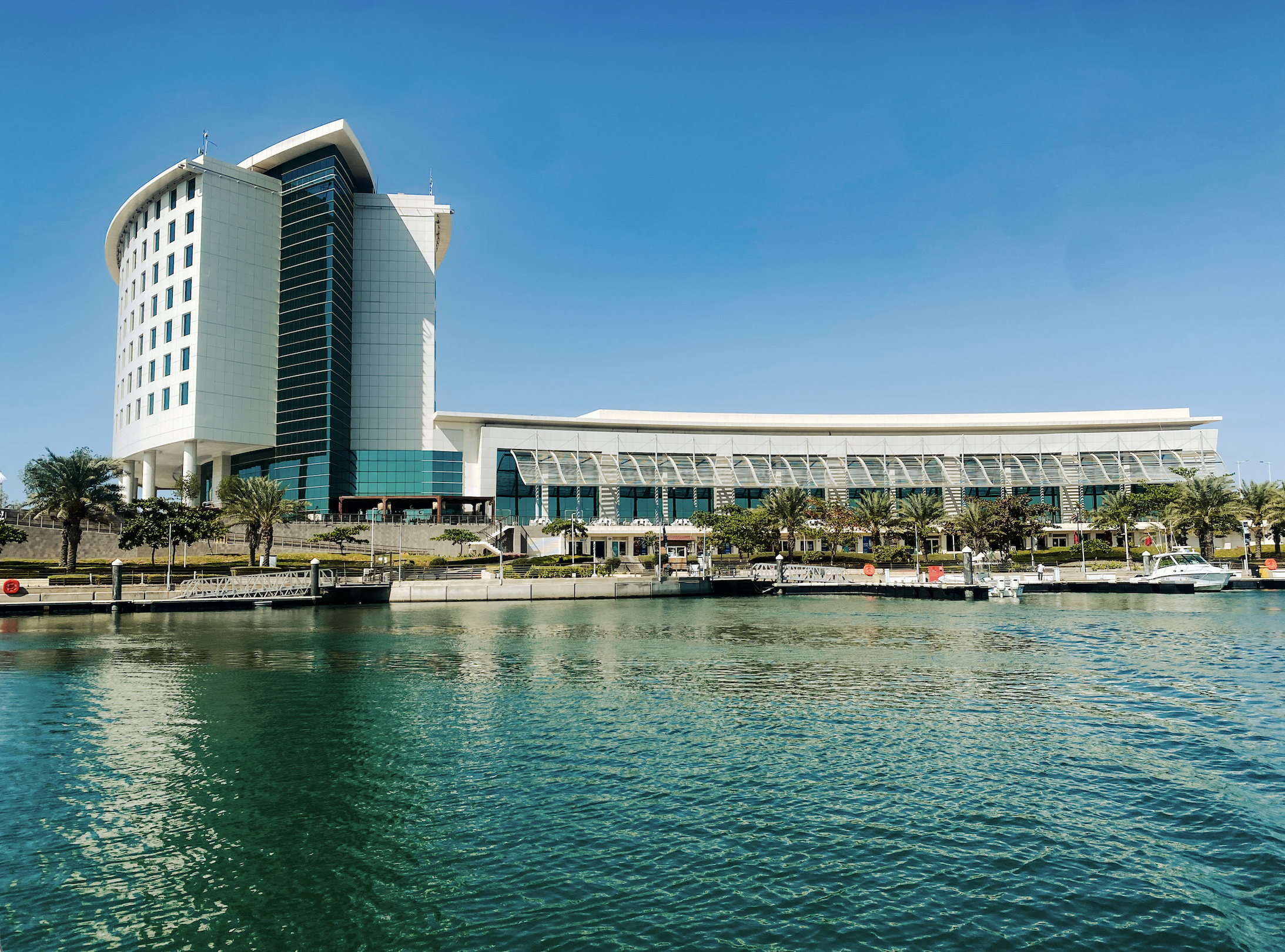
With its marina, golf course, residential districts, and high-speed rail connectivity to Jeddah and Medina, KAEC is positioned as both business hub and lifestyle destination. Bay La Sun hotel reflects the Kingdom’s growing MICE ambition, while international schools and waterfront living signal long-term residential intent.
KAEC underscores that Saudi Arabia’s tourism strategy is not limited to leisure. Conferences, incentives, and corporate events form part of a diversified portfolio designed to stabilize occupancy and expand year-round visitation.
The Red Sea: Curated Untouchedness
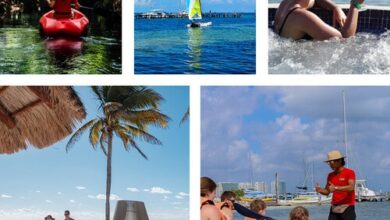
This part of the Red Sea is relatively untouched. Gliding above crystalline waters to snorkel in undeveloped and submerged spits of land, the emphasis is on preservation as much as progress. But further North, the Red Sea development projects a different vision: low-density, sustainability-led luxury built around pristine islands and coral ecosystems.
For global buyers and operators, this represents Saudi Arabia’s entry into the premium island-resort segment, a space traditionally dominated by the Maldives and Seychelles. The Kingdom’s narrative here is one of regenerative tourism, marine conservation, and controlled growth.
Beyond Infrastructure: Soft Power and Cultural Diplomacy
Tourism in Saudi Arabia cannot be separated from soft power. Festival seasons like Riyadh Season, Jeddah Season, and Diriyah Season serve dual purposes. Domestically, they expand cultural access and entertainment choice. Internationally, they reshape perception, inviting artists, athletes, and media into the Kingdom.
Investments in creative industries generate employment and foster entrepreneurship. Museums, cultural districts, and airlines function as both commercial entities and instruments of national branding.
The interplay between cultural openness and diplomatic engagement enhances the Kingdom’s convening power. For investors and travel partners, this translates into reputational capital and perceived stability. This wider soft-power strategy includes culture and sports, culminating in the destination hosting the World Cup in 2034 and the Riyadh Expo 2030—events projected to attract a combined total of over 42 million visitors.
Scale and Substance
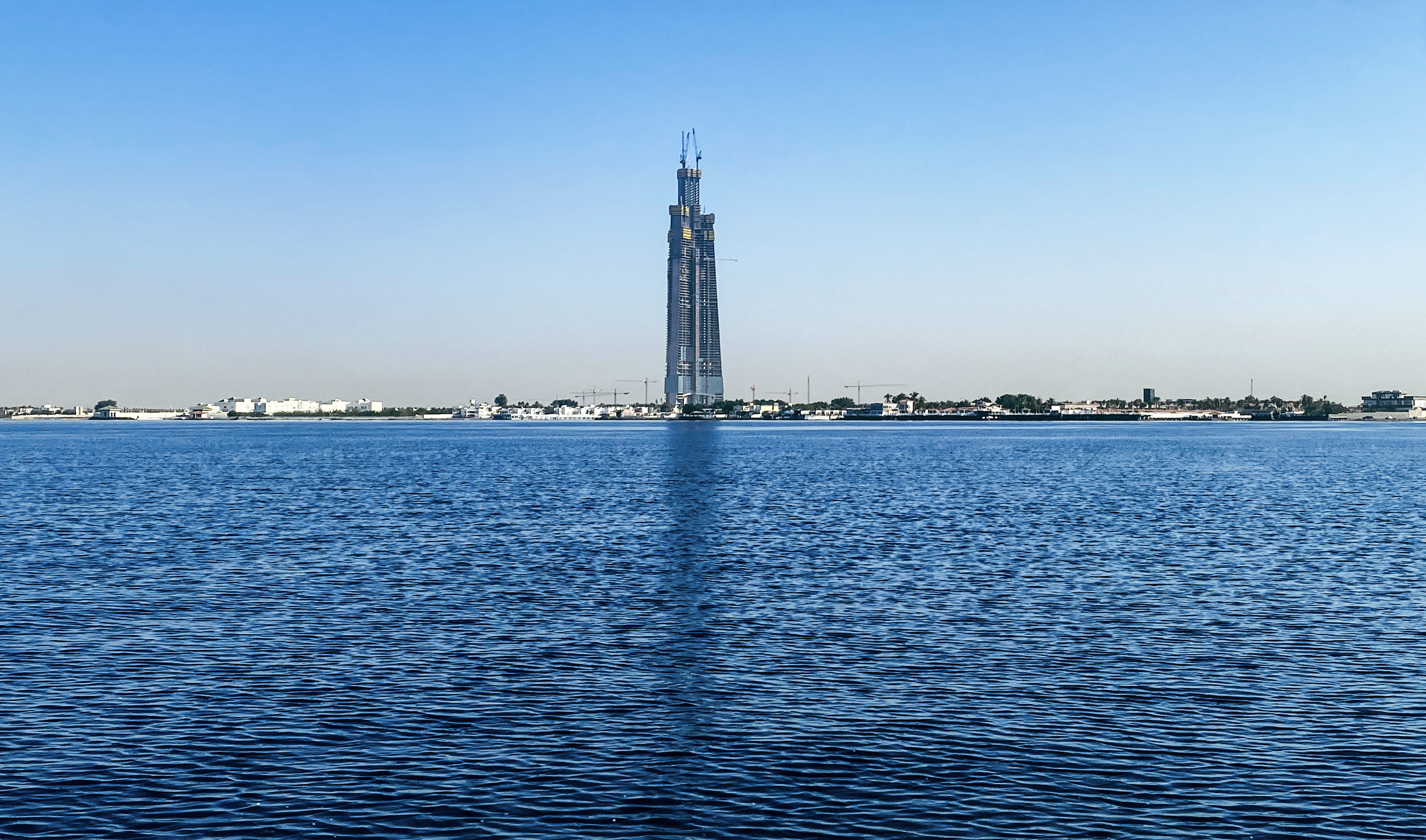
Saudi Arabia’s giga-projects inevitably attract attention: The Line, The Red Sea, New Murabba, and The Rig. The question occasionally posed within industry circles during the peak of regional instability was whether such immense scale could be sustained.
The consensus emerging from the ground—and echoed strongly by policymakers at the ongoing Future Hospitality Summit—is that development isn’t slowing down. The industry is currently on track to deliver 105,500 new hotel keys across the Kingdom between now and 2030, with 18,150 of those rooms hitting the market this year alone.
The desert can look empty from a distance; within it, ecosystems flourish. Similarly, while megaprojects dominate headlines, the enduring impressions are often quieter: coffee poured without ceremony, the rhythm of prayer and commerce, rock faces shifting character with the sun.
For the global travel trade, Saudi Arabia represents both immediate opportunity and long-term evolution. Air connectivity is expanding, hospitality supply is accelerating, and destination diversity is broadening from cultural city breaks to nature-led luxury and large-scale events.
The story of Saudi tourism is no longer simply about opening up, or waiting out regional challenges; it is about aggressively shaping a new identity, backed by trillions in global capital, in real time. And like the desert itself, its richness is most apparent once you step inside.
Words and images by Sapphire Goss