Forget South Beach: These Are the Miami Residents Who Actually Show Their Friends | News
Start near the showroom in front B&B Italythat anchors a corner of what locals simply call the Design District, a stretch of low-slung warehouses and new glass buildings packed into a few walkable blocks north of downtown. If you walk in without an agenda, you’ll pass a contemporary art installation, a jewelry studio and a coffee shop with a line outside, all within a five-minute walk. None of that has much to do with the beach a few miles away, and that’s exactly the point.
Wynwood: Go early, be hungry, skip the selfie lines
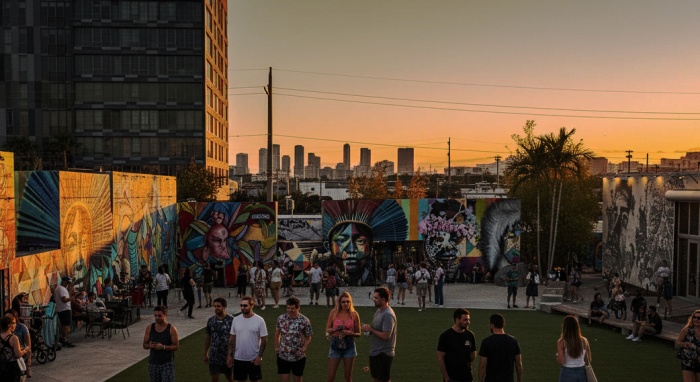
Wynwood is the neighborhood that locals half expect a visiting friend to ask about, thanks to the murals that cover almost every available wall. The trick is timing: if you arrive before 10am, you’ll have the famous Wynwood Walls almost to yourself, plus the kind of soft morning light that makes every photo look better. Wait until noon and you’ll be sharing the sidewalk with tour groups.
Once the murals are checked off, the better experience begins a few blocks away, where working artists’ studios sit next to specialty coffee roasters and a handful of breweries have turned their loading docks into weekend hangouts. Order a cortado at one of the counters in lieu of a sit-down brunch, and save the appetite for Saturday, when the Wynwood Marketplace turns a parking lot into a rotating food hall and flea market that tells you a lot more about who actually lives here than any tour.
The Design District: Treat it like an open-air museum, not a shopping center
The instinct is to walk through the Design District as you would walk through a shopping street, but it does that poorly. Architects including Sou Fujimoto and Aranda/Lasch have designed individual blocks here, so it’s smarter to walk slowly along NE 39th Street, looking up as well as through the windows. The Institute for Contemporary Art is located on the edge of the district and admission is free. The exhibitions change often enough to be worth a second visit if you’re in town for more than a few days.
Aim for a weekday morning, before the lunch crowd leaves the surrounding offices, and keep an eye on the pedestrian plazas: several of them feature permanent public art installations that most people walk straight past while checking their phones. Give yourself at least ninety minutes, because the neighborhood is deceptively large once you start exploring the side streets.
Little Havana: order the coffee first and then ask questions
Calle Ocho is the obvious gateway to Little Havana, but the real rhythm of the neighborhood shines through on the side streets, where domino games in Maximo Gomez Park can last for hours and regulars treat newcomers with more warmth than suspicion. Before doing anything else, stop at a ventanita, one of the coffee windows built right into the walls of the shop; it is faster, cheaper and a better introduction to the neighborhood than sitting down for an extensive breakfast.
Cigar shops still roll products on site here, and most let you watch the process without any pressure to buy. When evening comes, locals tend to send friends to Ball & Chain, a restored 1930s music hall on Calle Ocho that once hosted jazz greats like Billie Holiday and now hosts live salsa most nights, often without cover.
When locals want a beach day, they cross the Causeway
South Beach has a postcard reputation, but ask a local where they actually go swimming and the answer is almost always Key Biscayne, reached via the turnpike named after World War I pilot Eddie Rickenbacker. Crandon Park, on the north side of the island, stretches across two miles of sand without the velvet rope energy of Ocean Drive, plus shaded picnic areas and a marina where you can rent a kayak and paddle past mangroves and sandbars instead of standing in the surf with five hundred strangers.
Go on a weekday if you can, because on weekends half of Miami-Dade County comes into focus for the same reason you do. Bring a cooler if you have one, as the park offers grilling and picnicking, and reserve a few extra minutes at the toll booth along the way; it’s the only inconvenience to an otherwise easy trip, and locals consider it a fair trade for a quieter coastline.
None of these four parts of the city talk to each other the way neighborhoods do in a place built around one city core, and that disconnect is part of the appeal. A trolley will take you from Wynwood to the Design District in about ten minutes, and to Little Havana in another twenty-five minutes, but Key Biscayne is a journey all its own, best done by car or car share and treated as a half-day rather than a quick stop. Instead of planning it out tightly in advance, allow some slack in the schedule, and let one good conversation with a bartender, a domino player, or a store owner decide what happens next. That’s usually how the local version of Miami ends up looking nothing like the brochure.