Moving from the suburbs of Chicago to The City

Moving from the Chicago suburbs to the city can feel like commercial space and quiet streets for walkability, skyline views and downtown convenience. Instead of driving to dinner, riding the Metra, or tending a garden, Loop residents often find themselves steps away from CTA lines, office towers, theaters, restaurants, Millennium Park, and the lakefront.
But the move also brings compromises. Condo costs, smaller floor plans, building regulations and a faster market can all change the way buyers think about affordability. Whether you’re moving from Naperville, Evanston, Aurora or another Chicagoland suburb, here’s what you need to know before moving downtown Chicago.
1. Your budget may look different downtown
At first glance, moving from the suburbs to the city may seem simple: compare house prices, rents and commuting costs. But the cost structure of owning or renting real estate in downtown Chicago differs significantly from that in the suburbs.
In the suburbs, buyers often compare single-family homes, townhomes, yards, garages and school districts. In the city center, the housing market is more strongly determined by apartments, high-rise apartments, homeowners’ association costs, building facilities, parking costs and price per square meter.
According to data from Redfin, the average sales price in chicago is $408,789 and the average rental rate is $1,670. While suburban markets like Evanston have an average sales price of $426,780 and an average rental rate of $2,667. And while city home prices are considered more “affordable,” monthly costs for a downtown apartment can look different once HOA dues, parking, insurance, taxes and utilities are factored in.
Before you move, you should compare your entire monthly housing costs, not just the sales price or base rent.
2. Transport is changing quickly
One of the most attractive aspects of city living is the paradigm shift in transportation. For many suburbanites, everyday life revolves around a car. Even in communities with Metra or Pace access, running errands, going to school, running errands, and weekend plans often require driving.
Moving to the city center is a completely different experience. The city of Chicago and its neighboring neighborhoods enjoy exceptional connectivity through the Chicago Transit Authority (CTA). Residents have access to the elevated ‘L’ train lines and numerous bus routes, often a short walk from their homes. Many residents rely on walking, cycling or public transport, resulting in high Walk scores and a reduced need for a personal vehicle, or go without one altogether.
That said, not every downtown resident is giving up their car. Parking can be convenient, but it is often an additional monthly expense, especially in high-rise apartment buildings. Buyers should consider whether the parking space is transferred, assigned, rented separately or included with the unit.
The biggest lifestyle change isn’t simply “car versus no car.” What matters is whether your daily routine works better with walkability, public transit, and downtown access versus suburban driving convenience.
3. Expect to trade square footage for location
One of the biggest adjustments when moving from the Chicago suburbs to downtown is space.
Suburban homes often offer larger floor plans, additional bedrooms, basements, garages, yards and more storage space. In the city, buyers and renters typically choose between condos and condos where location, views, amenities and building amenities can be more important than square footage.
For some residents, that trade-off is worth it. Living downtown can mean walking to work, dining without a car, spending your weekends on the waterfront and being close to museums, theaters, parks and restaurants. For others, downsizing from a larger suburban home to a smaller apartment or condo may require some adjustment.
If you’re considering the move, think carefully about how you use your space now. Do you need a home office? Outdoor space? Guest rooms? Storage? Parking? Pet friendly facilities? These details can have a major impact on which building or unit in the city center is best suited.
4. Condo living comes with different rules and responsibilities
Buying in downtown Chicago often means buying a condominium or high-rise. That can be a big change for homeowners coming from a single-family home in the suburbs.
In a suburban home, owners are typically responsible for exterior maintenance, landscaping, snow removal, roof repairs, and many utilities. In a condominium building, some of those responsibilities shift to the homeowners association. HOA costs can cover building maintenance, amenities, security, common areas, reserves and sometimes utilities.
But condo living also comes with rules. Buyers should review the building’s governing documents, budget, reserves, rent restrictions, pet policies, moving expenses, planned projects, and any special assessment history.
Important questions to ask before purchasing include:
- How much is the monthly homeowners’ association membership fee?
- What does the contribution entail?
- Does the building have healthy reserve funds?
- Are there rental limits or lease restrictions?
- Are pets allowed?
- Are there any upcoming repairs or special assessments?
- Is parking included, owned or rented separately?
- What facilities are included and will you actually use them?
For buyers moving from the suburbs, the right agent can be particularly helpful in assessing apartment-specific details that may not come up when purchasing a single-family home.
5. The rental market moves quickly
Renting downtown can be attractive to people who want flexibility before buying, moving for work or trying out downtown living before making a longer-term commitment.
Renters typically choose between large, professionally managed luxury apartment buildings, luxury high-rises, and privately owned apartments available for rental. Each option has different pros and cons.
Large apartment buildings can offer amenities such as fitness centers, rooftop decks, coworking spaces, package rooms and on-site maintenance. Private apartments may offer more unique layouts or finishes, but they may also have different approval timelines, move-in rules or building-specific costs. Renters should be willing to move quickly if they find a home they like. They should also ask questions about:
- Application fee
- Moving and relocation costs
- Deposits or administration costs
- Pet policy and pet rental
- Parking costs
- Utilities
- Rental duration
- Renewal conditions
- Construction rules for elevators, arrangements, guests and facilities
A downtown rental can be a good fit, but the actual cost often exceeds the advertised monthly rent.
6. Walkability is a major advantage
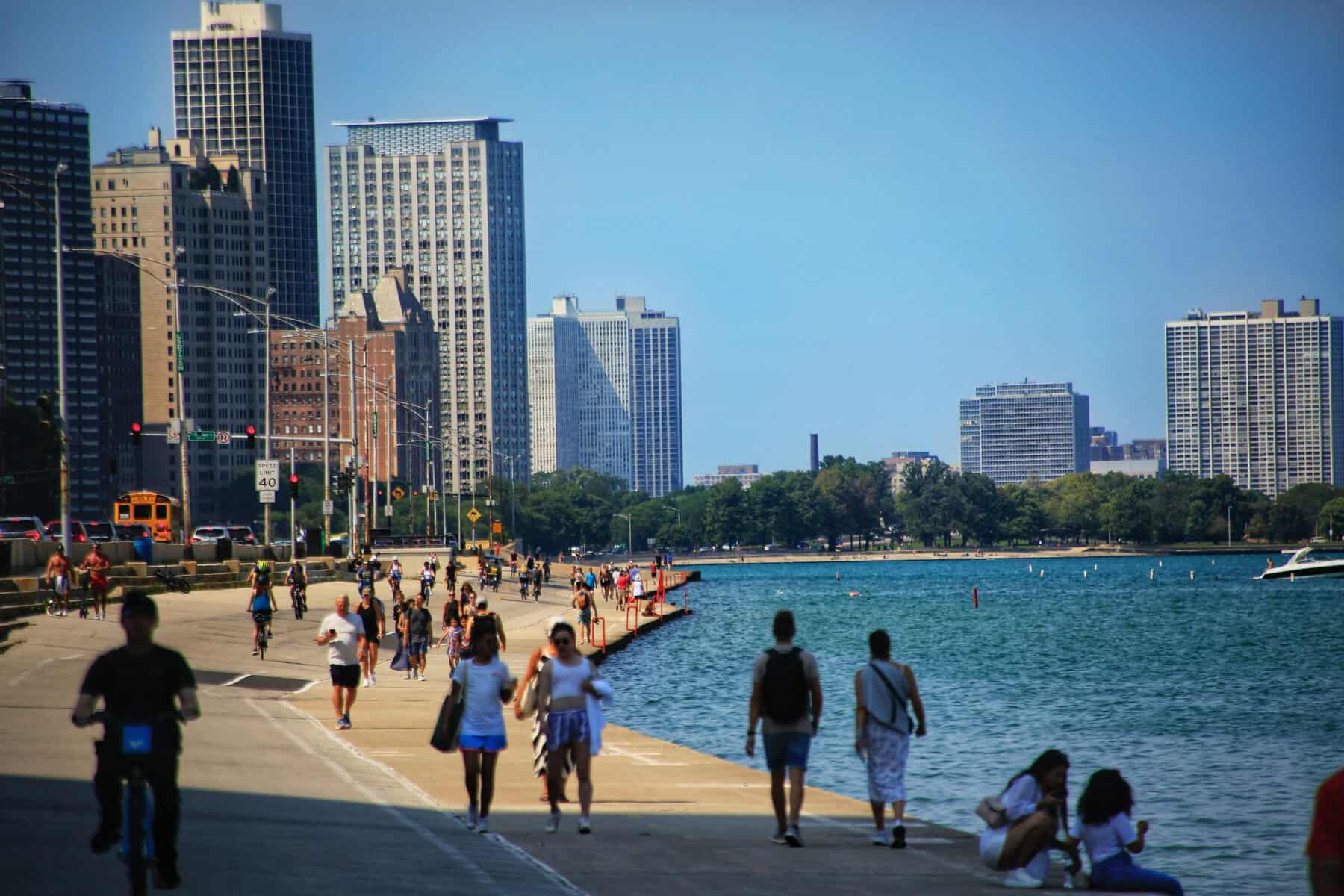
City living maximizes proximity. Residents can live near offices, restaurants, coffee shops, shopping, parks, theaters, museums, public transportation, and the lakefront. For people who are used to driving 30 to 60 minutes for entertainment or errands, the ability to walk much of their daily lives can be a major lifestyle upgrade.
Downtown is especially attractive to people who value:
- A shorter commute
- Access to CTA lines and downtown offices
- Proximity to Millennium Park and Grant Park
- Restaurants, nightlife and cultural attractions
- Lake access
- High-rise view
- Amenity-rich buildings
- A more urban, active lifestyle
But density also brings adjustments. Downtown residents may experience more traffic, street noise, tourists, events, sirens, construction, and less privacy than in the suburbs. For many people, that energy is part of the attraction. For others it may take some getting used to.
7. Think about what you leave behind and what you gain
Moving from the Chicago suburbs to the city isn’t just a real estate decision. It’s a lifestyle decision, and for buyers it also brings a different set of real estate considerations.
Suburban living can offer more space, quieter streets, easier parking, and private outdoor spaces. Living downtown can offer walkability, shorter commute times, restaurants, public transportation, cultural access and a more connected urban lifestyle.
When you buy downtown, the building is almost as important as the unit itself. Many buyers purchase condos or homes in high-rise buildings, so it’s important to review HOA fees, reserve funds, rental restrictions, pet policies, parking options, amenities, and any history of special assessments before making an offer.
Before you take the step, ask yourself the following:
- Do I like to cut back?
- How much do I value walkability and public transportation?
- Do I still need a car and how much does parking cost?
- Can I pay homeowners’ association dues and other construction costs?
- Do the reserves, rental rules and facilities of the building fit together well?
- Is my lifestyle better suited to a house, townhome, condo or apartment?
Financing a downtown apartment can also differ from financing a single-family home in the suburbs, as lenders can review the building’s finances, insurance and rental policies. By working with a real estate agent who understands downtown Chicago apartments, buyers can spot early warning signs and decide if downtown is the right choice.
Does the city suit you?
Moving from the established structure of Chicago’s suburbs to the kinetic environment of downtown Chicago is a strategic move that impacts financing, lifestyle and day-to-day logistics. Success in this transition depends on a disciplined analysis of housing costs, transportation needs and lifestyle priorities. For the right person, moving from the Chicago suburbs to downtown can be more than just a change of address. It can be an opportunity to build a lifestyle around walkability, culture, and the energy of downtown Chicago.