Record levels of Sargassum entering Florida beaches by 2026
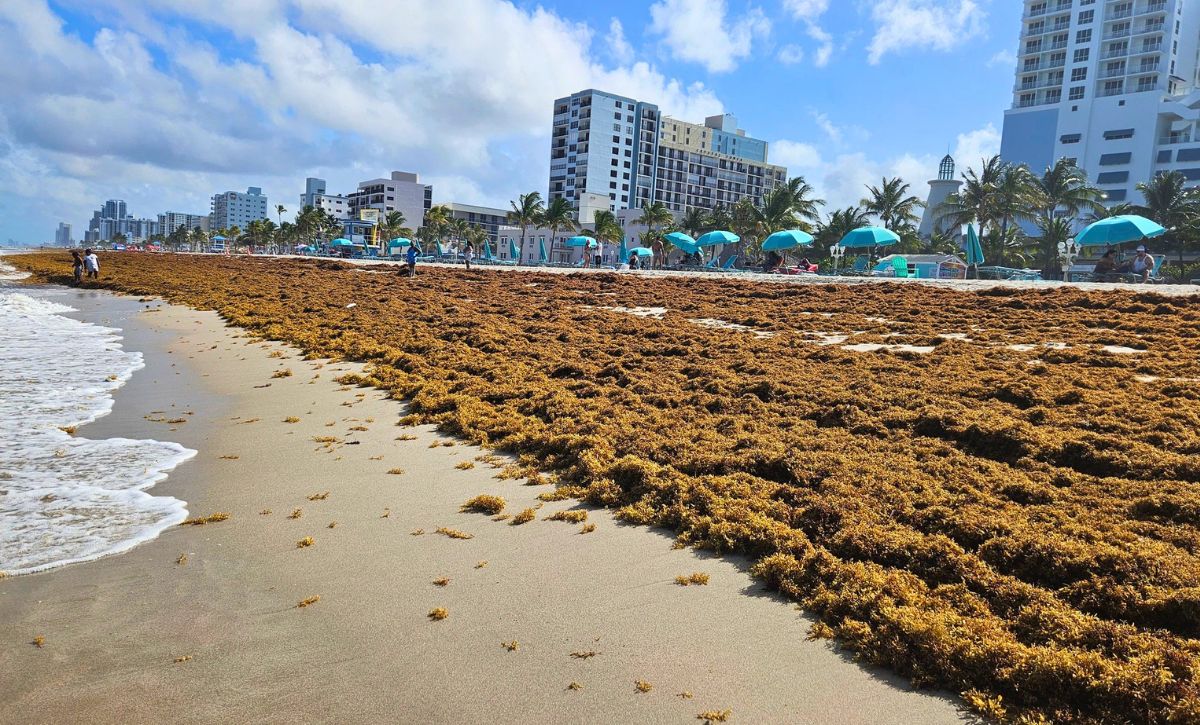
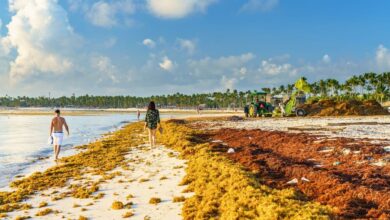
The 2026 sargassum season looks set to be the worst everWith the Atlantic hurricane season starting June 1 and the peak months for seaweed arriving, brown algae is no longer just a Mexican-Caribbean problem; it’s also piling up on Florida beaches.
Featured image credits: Kristen Kuiper / FB group Florida Sargassum Reports + Daily News
Record-breaking bloom across the Atlantic Ocean
Satellite data from the University of South Florida’s Sargassum Watch System shows floating macroalgae have increased every region it followswith most setting monthly records this spring.
If WGCU reportedUSF scientists wrote that 2026 is “By the summer, this will probably be a record year.” Researchers describe a belt stretching across the entire Caribbean Sea and flowing into the Gulf, with stranding events expected to increase during the peak from June to August.

The season also started absurdly early. Sargassum first washed ashore in the Mexican Caribbean in January – months earlier than the historical norm – according to monitoring groups tracking the bloom.
From the coast of Mexico to the Florida Keys
In Quintana Roo, authorities have designated more than a dozen northern beaches as “red zones,” and Playa del Carmen alone harvested more than a thousand tons at the beginning of the year. The Mexican Navy has deployed ships, skimmers and thousands of meters of offshore barriers, but the sheer volume makes the containment only partially effective.
The unclear point is that Southeast Florida and the Florida Keys will also be flooded. When sargassum rots on the coast, it releases hydrogen sulfide – the rotten egg gas that can irritate the respiratory tract and has been scaring away beachgoers for more than a decade.
What it means for beach travelers
Conditions vary dramatically, mile by mile, so a devastated beach and a pristine beach can be within a short drive of each other. Sheltered, west-facing spots like Playa Norte on Isla Mujeres and the leeward coast of Cozumel tend to remain clearer, while open, east-facing beaches like Tulum and Playa del Carmen take the brunt. Live satellite-powered trackers now updating throughout the day so travelers can check a specific beach before committing.
Researchers emphasize that sargassum is natural and even useful in the open ocean, where it provides shelter for fish and sea turtles. The problem is the volume. For summer 2026, flexibility is the smart move: choose protected beaches, lean on resort pools and cleaning crews, and pay attention to the forecasts as the peak builds.