The long goodbye: how Keflavík airport turns departure into a final taste of Iceland | Focus
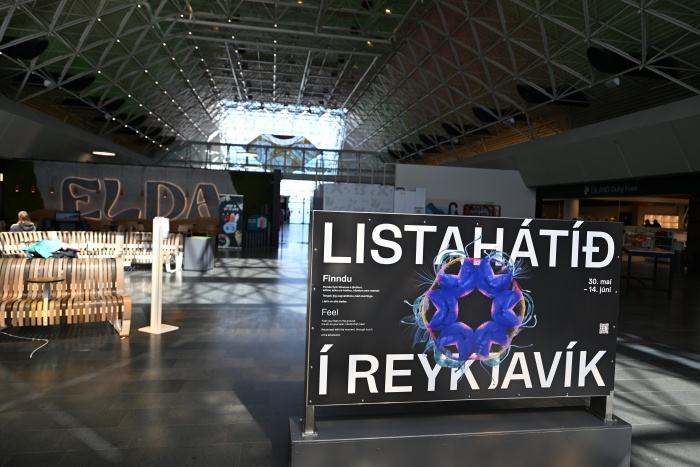
There are airports that process you, and there are airports that say goodbye. Keflavík, Iceland’s international gateway, attempts something more poetic than the usual choreography of security loading, duty-free lighting and last-minute gate changes. With his new one Blessing program — bless means ‘see you later’ in Icelandic — KEF Airport transforms the liminal hour before departure into a miniature cultural salon: part tasting menu, part gallery walk, part listening session, part final toast.
It’s a clever and disarming Icelandic premise. Instead of seeing the airport as the end of the journey, Keflavík presents it as the final chapter of the country. The airport describes the tours as free experiences hosted by Icelandic icons, designed to help travelers discover the country food, drinks, art and music before they fly. The launch release describes it as the world’s first airport tour program, offering visitors a “different look at Iceland” before departure, with each experience lasting approximately 30 to 45 minutes.
The attitude helps. KEF is located on the Reykjanes Peninsula, in a landscape of lava fields and lunar drama, close to the kind of elemental Iceland that has visitors chasing entire routes. The airport’s own press material points out its location in a UNESCO Global Geoparksurrounded by volcanic terrain, giving the entire proposal an unusually cinematic backdrop for an airport experience.
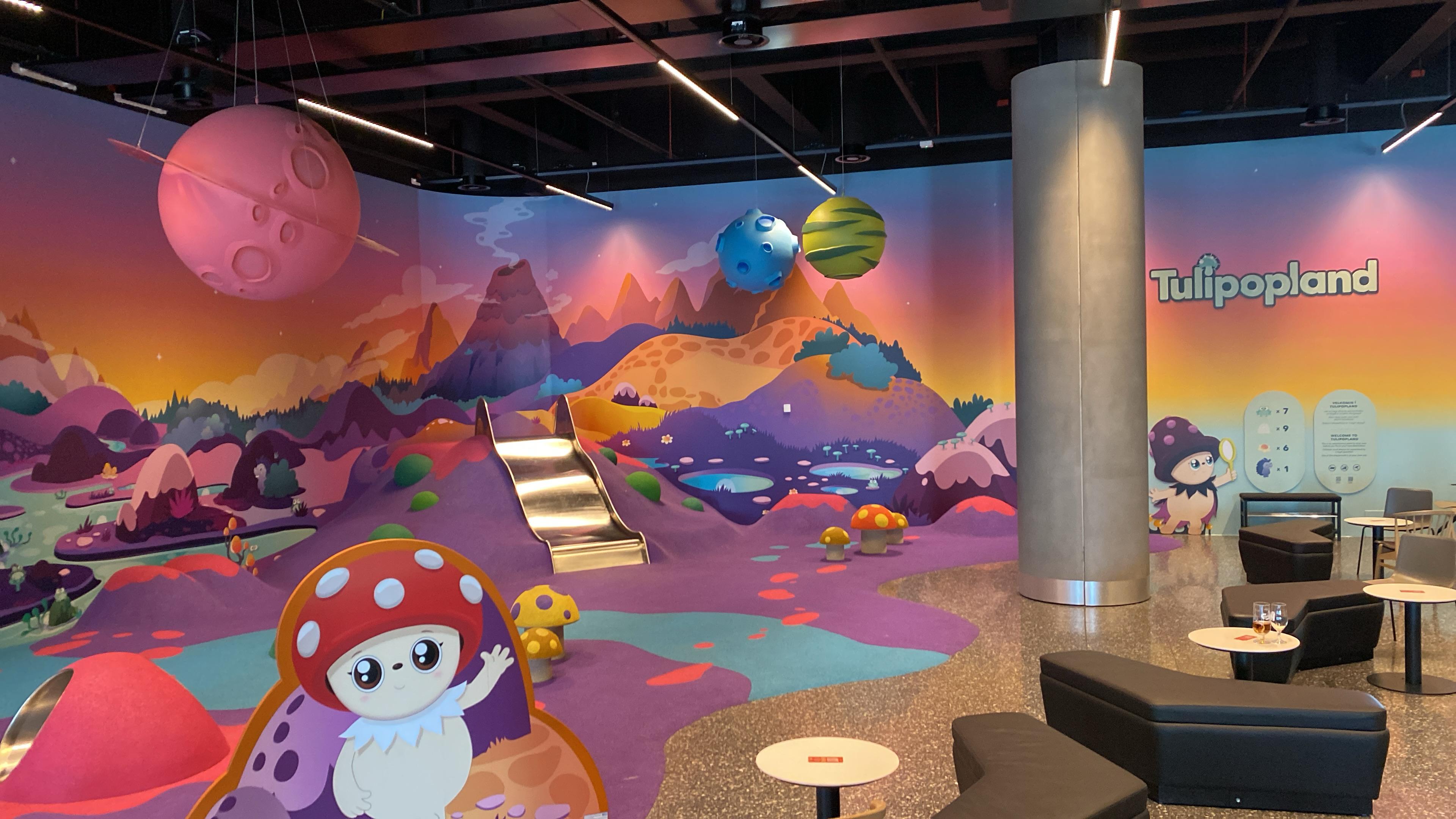 Zids zone
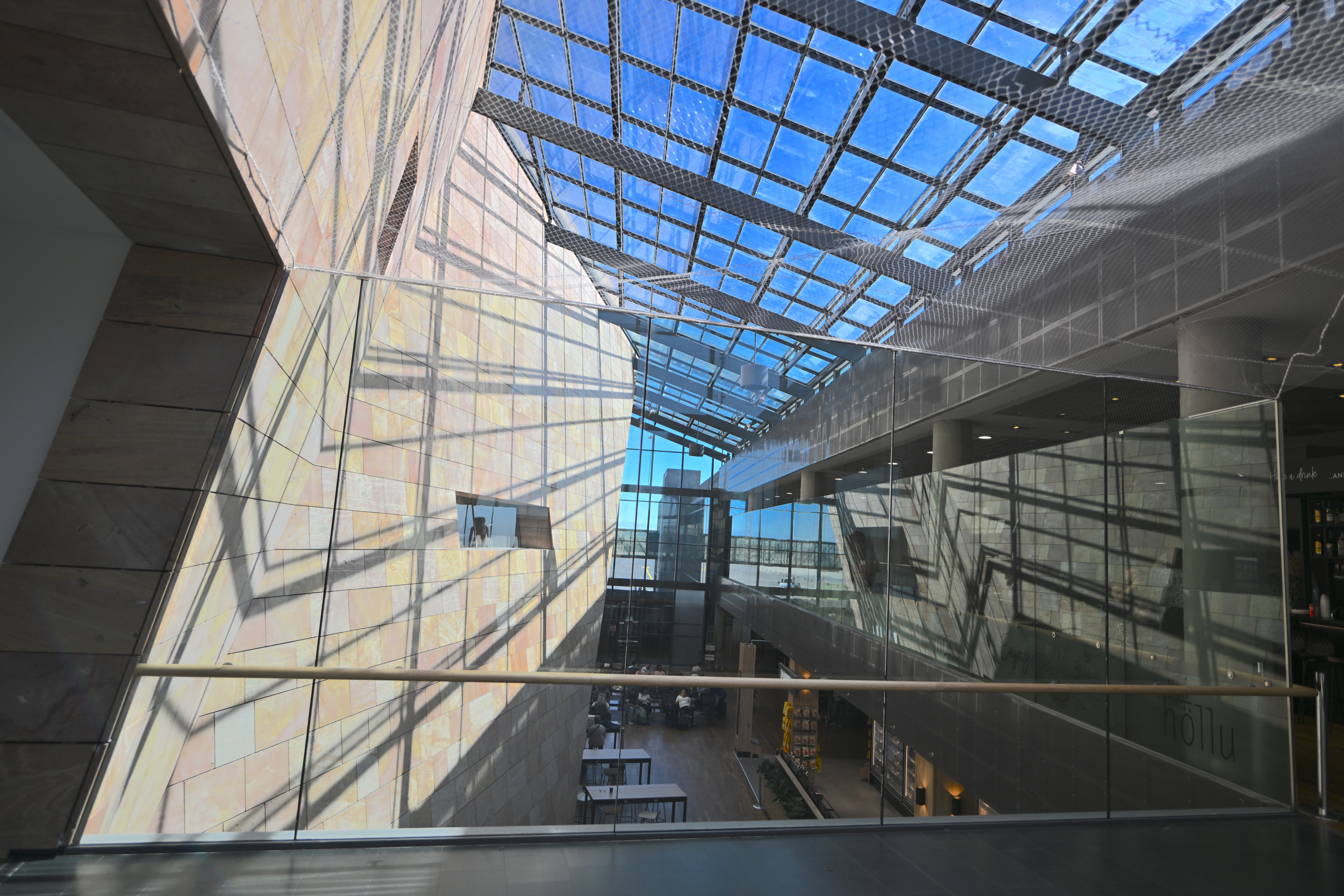
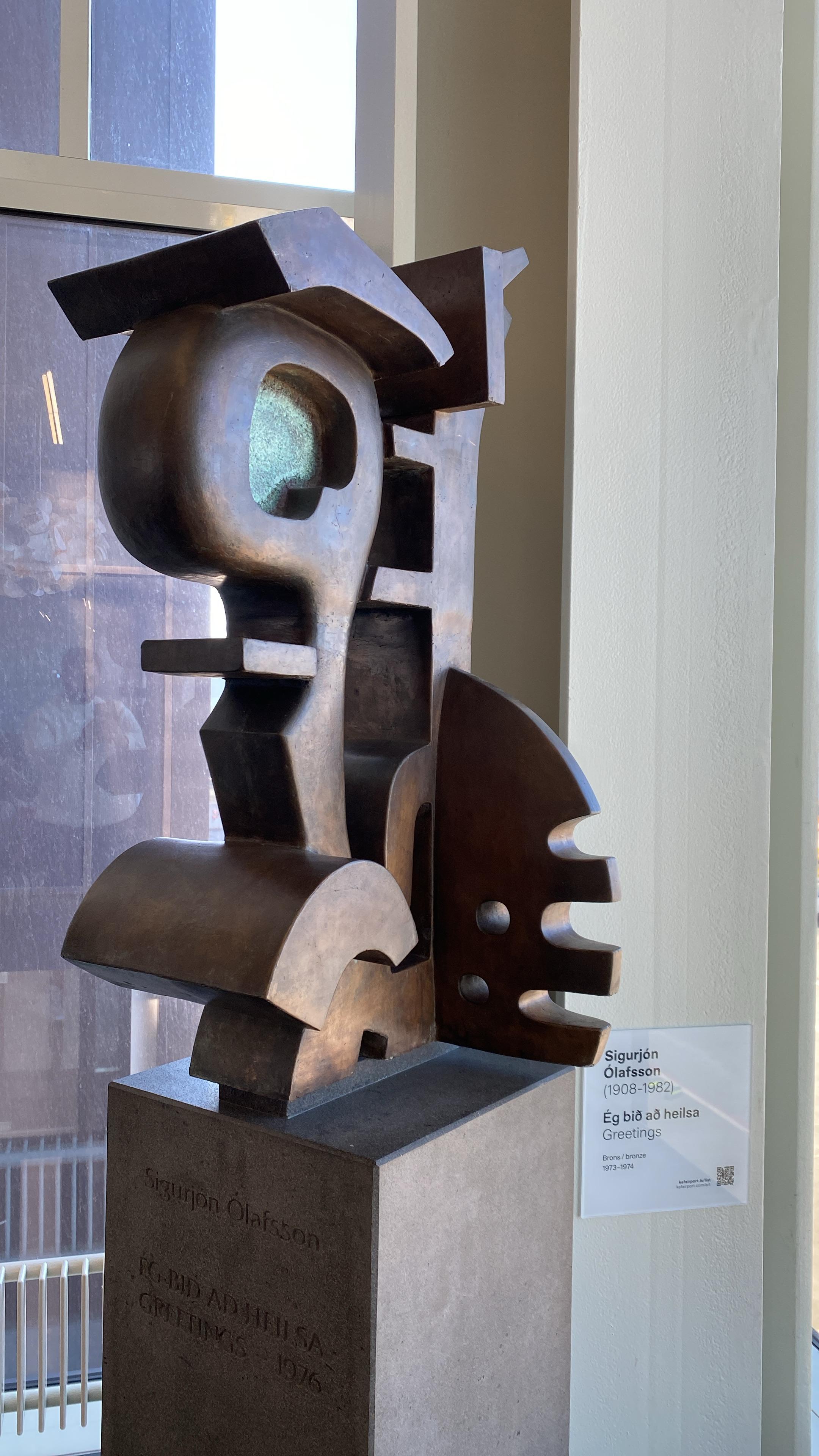
The art and design tour is perhaps the most unexpected flourish. Airports are often filled with art that passengers rush past, half seen between coffee and boarding. KEF invites travelers to slow down. The collection turns the terminal into something closer to a cultural threshold than a transportation hub: a place where the Icelandic landscape, mythology, movement and design are translated into sculpture, glass, steel, ceramics and light.
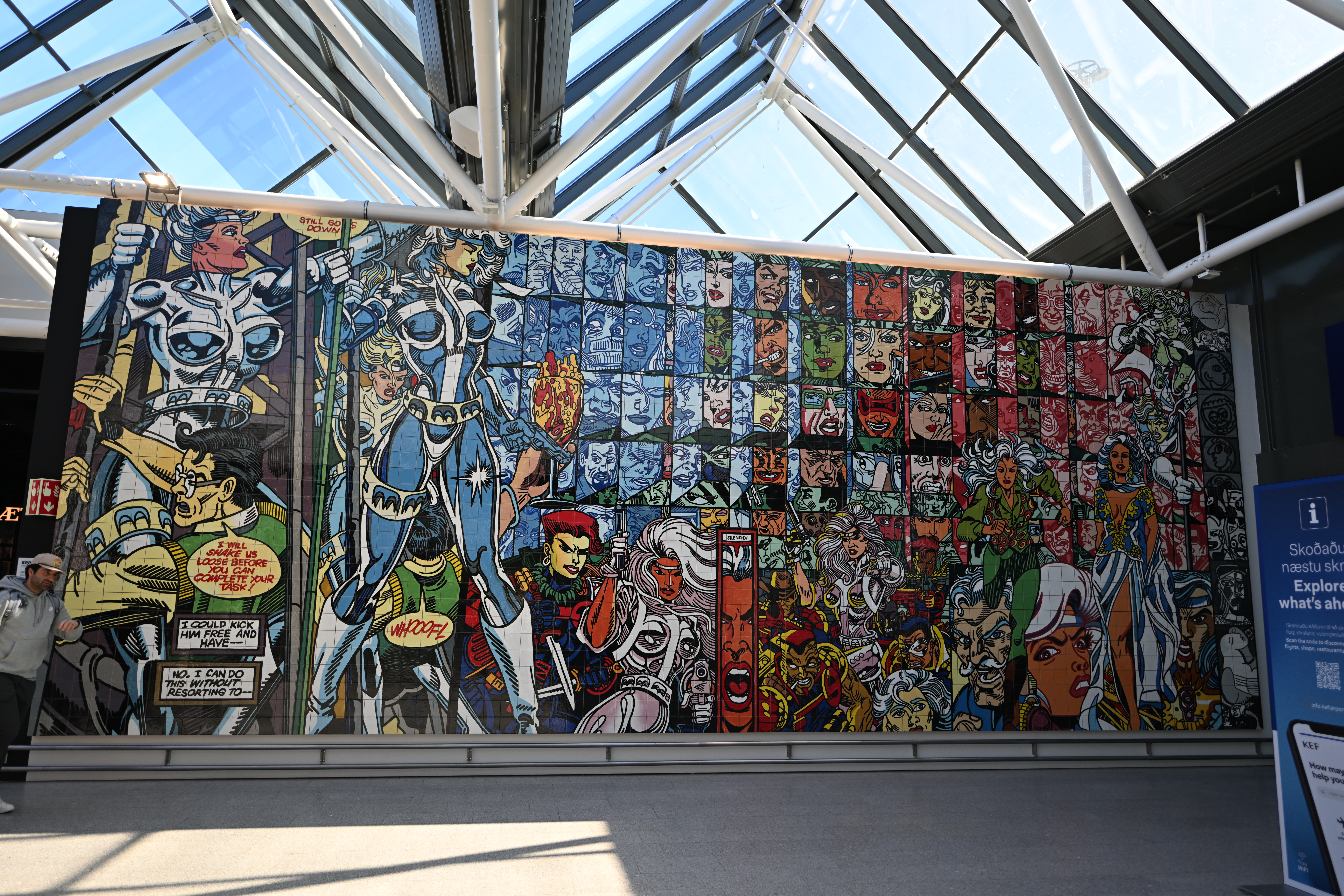 Erró’s silver sabre
There is Directions, or Áttir, by Steinunn Þórarinsdóttir: four aluminum humanoid figures standing on Icelandic basalt columns, each facing one of the cardinal directions – a work that speaks as much about travel as it does about the more existential matter of finding one’s way. Elsewhere, Kristján Guðmundsson’s Rift, or Flekaskil, makes Iceland’s geology almost startlingly literal. A 15-meter stainless steel line has been inlaid into the terminal’s oak floor, symbolizing the boundary between the North American and Eurasian tectonic plates. The two-centimetre width reflects the annual rate at which these landmasses in Iceland are drifting apart – a subtle, cerebral gesture that means passengers can literally walk on the forces that created the land.
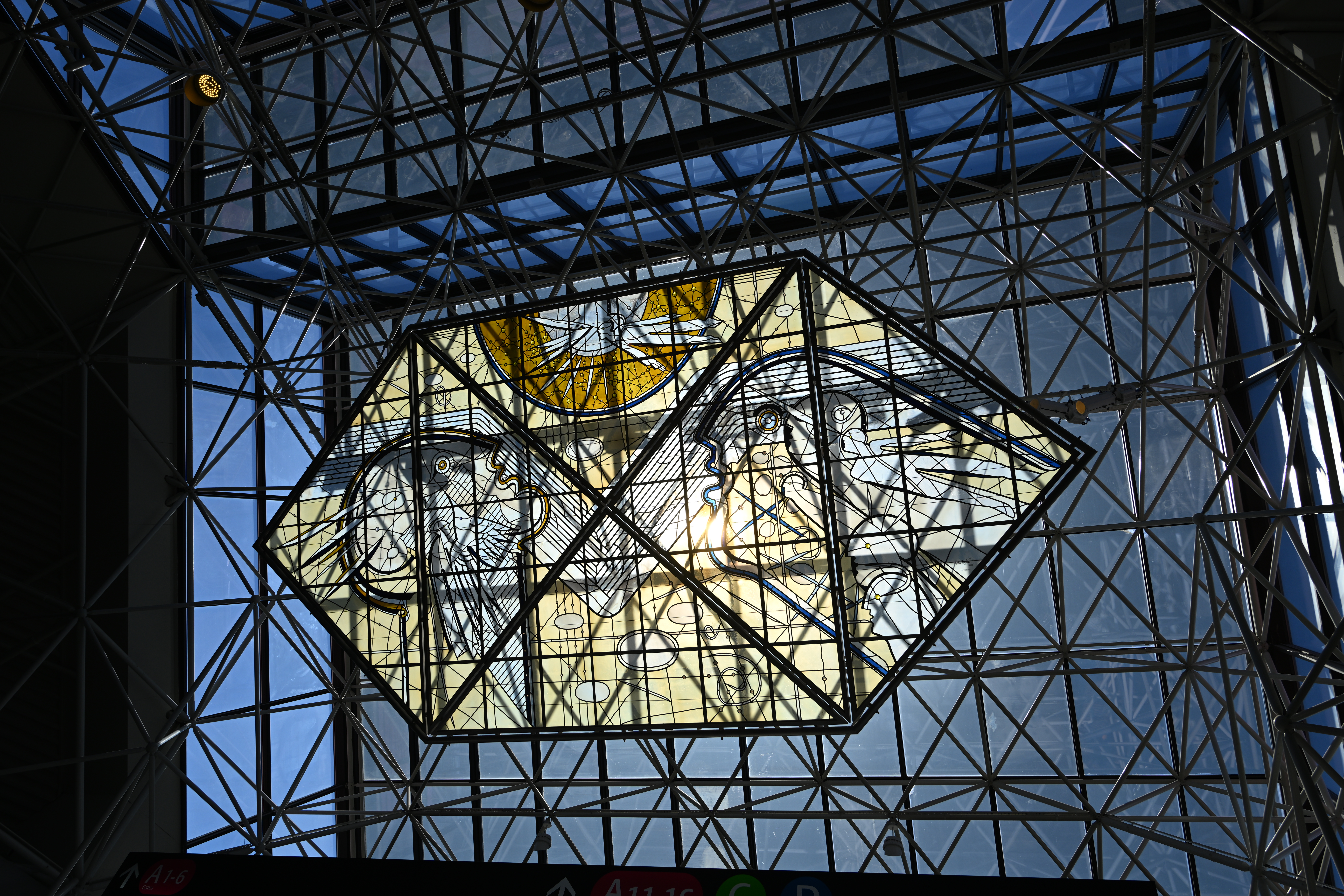 The stained glass works of Leifur Breiðfjörð Longing for flight and Íkarus
That conversation between landscape, myth and movement continues outdoors. Rúrí’s Rainbow, or Regnbogi, rises 24 meters into the air in front of the terminal’s northern facademade of stainless steel and stained glass, whose colors are composed of hundreds of glass units. KEF describes it as the tallest work of art in Iceland, illuminated at night and rising from the Icelandic rocks – an unfinished arch, according to the artist, imagined as something that might one day continue its ascent towards the heavens before finally descending back to earth.
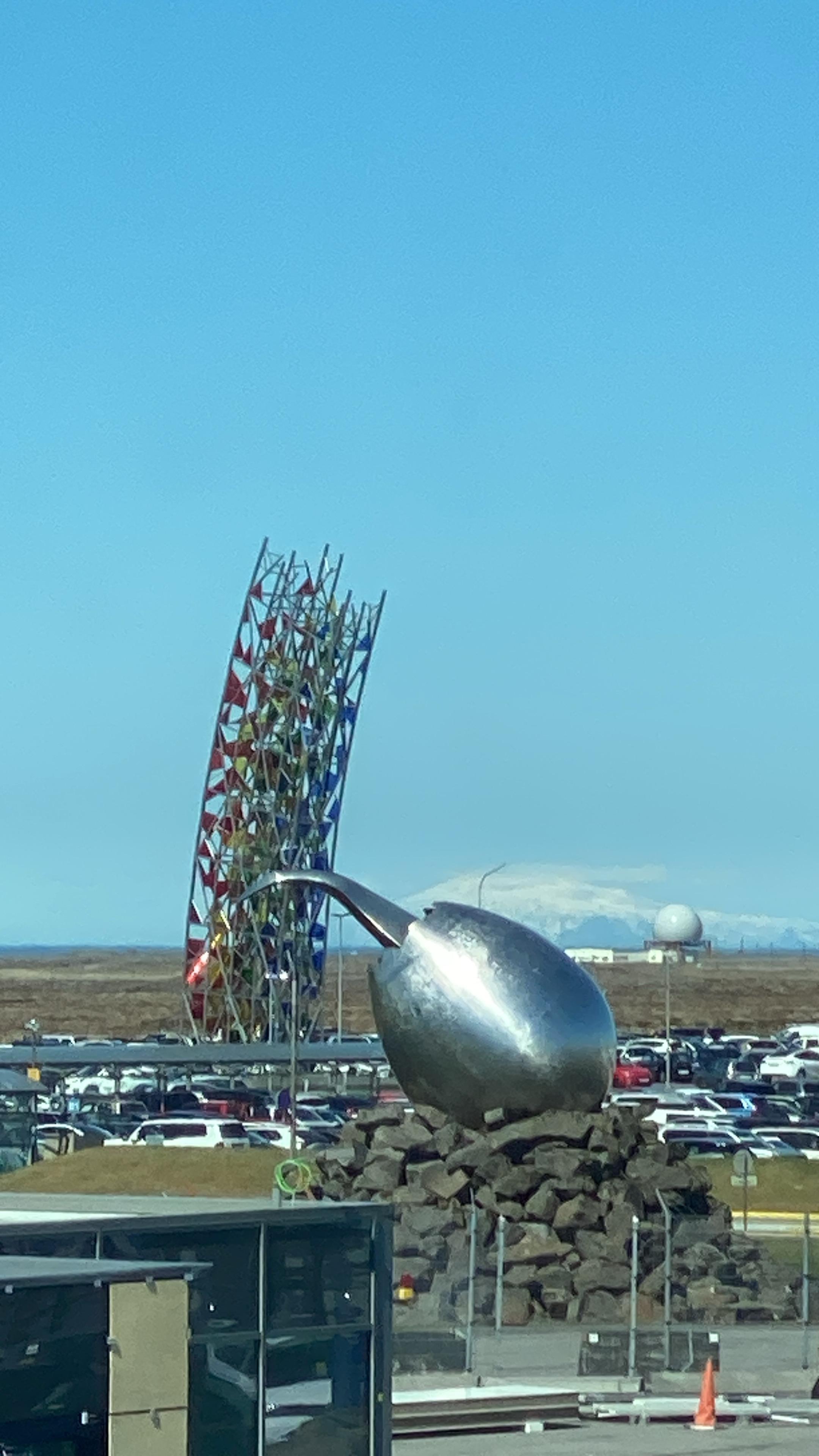 Rúrí’s rainbow
Nearby, Magnús Tómasson’s Jet Nest, or Þotuhreiður, offers one of the airport’s most whimsical visions: a newborn airplane hatching from a huge stainless steel egg, perched on a nest of rocks in a lighted pond. It’s surreal, funny and strangely tender – aviation is rewritten as folklore. The language of the flight becomes clear in the terminal. The stained glass works of Leifur Breiðfjörð Longing for flight and Íkarus fill the departure lounge with myth, color and upward longing, combining the ancient dream of Icarus with the modern achievements of astronauts, birds and planes. Meanwhile, Erró’s Silver Sabler, an 11-by-15-foot mural of hand-painted ceramic tiles, brings postmodern exuberance to the commercial area, touching on legends of airspace, displacement, and the air terminal as a place of possibility.
The clever thing here is that KEF’s art collection is not a decorative afterthought. It is very location specific. Many of the works speak to the essential themes of the airport: direction, departure, migration, tectonic movement, mythical flight, modern travel, return. They make the terminal feel less like a neutral waiting room and more like an Icelandic antechamber – a place where geology, weather, folklore and design have followed the traveler all the way to the gate.
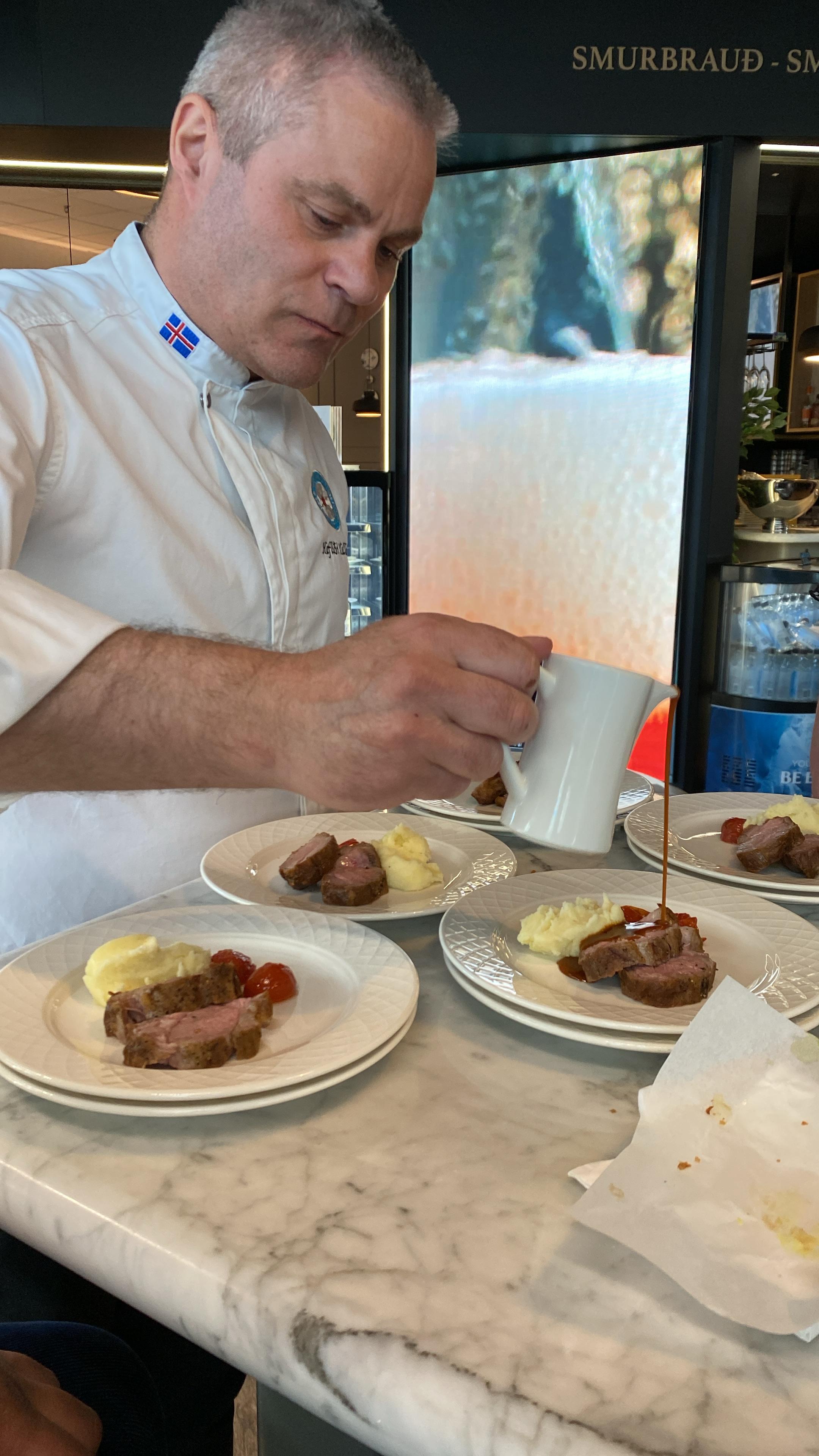
Then comes the food, because no contemporary expression of a place is complete without something edible. The food tour is organized by Hafliði Halldórsson, Special Chef to the President of Iceland and a culinary ambassador whose work has long been linked to the promotion of Icelandic products at home and abroad. KEF’s launch material describes him cooking and promoting Icelandic food for the President of Iceland, while also training young chefs on the culinary team. In Business Iceland he has also led the culinary programs for Taste of Iceland, introducing international audiences to premium Icelandic lamb and seafood.

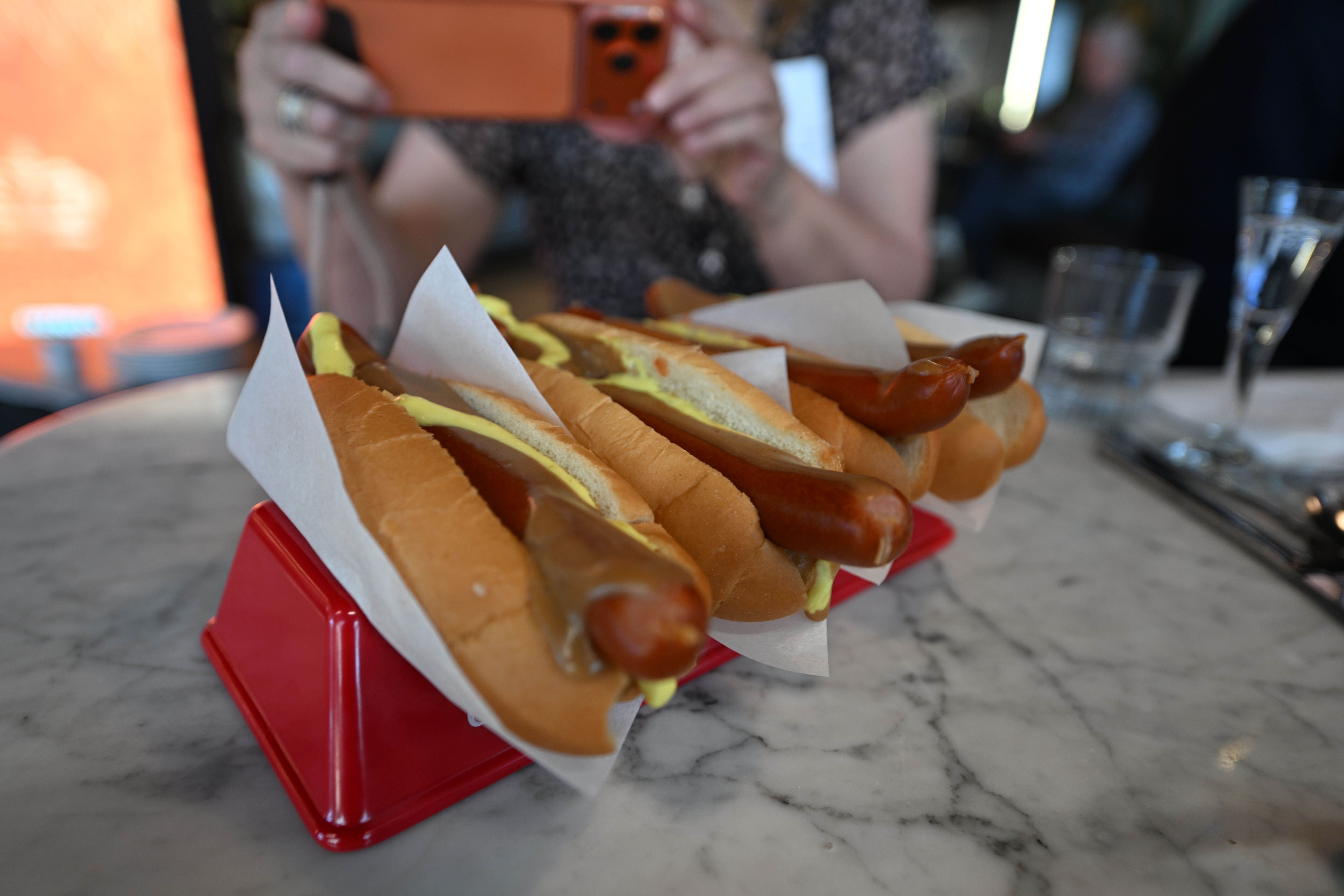
His presence gives the Bless program’s food tour a certain diplomatic sheen. This isn’t just a snack-led walk through the terminal; it’s Icelandic cuisine, presented by someone used to translating the country through the plate. The route passes through the airport’s restaurants with tastings of Icelandic lamb, fresh fish, skyr and Bæjarins Beztu Pylsur’s cult hot dogs. In Hafliði’s hands, that combination becomes a beautiful edible portrait of the nation: pristine seafood from the cold northern waters, lamb shaped by open landscapes and wild pastures, skyr with its old-world flavor and modern wellness halo, and the beloved hot dog as Iceland’s most democratic culinary icon.
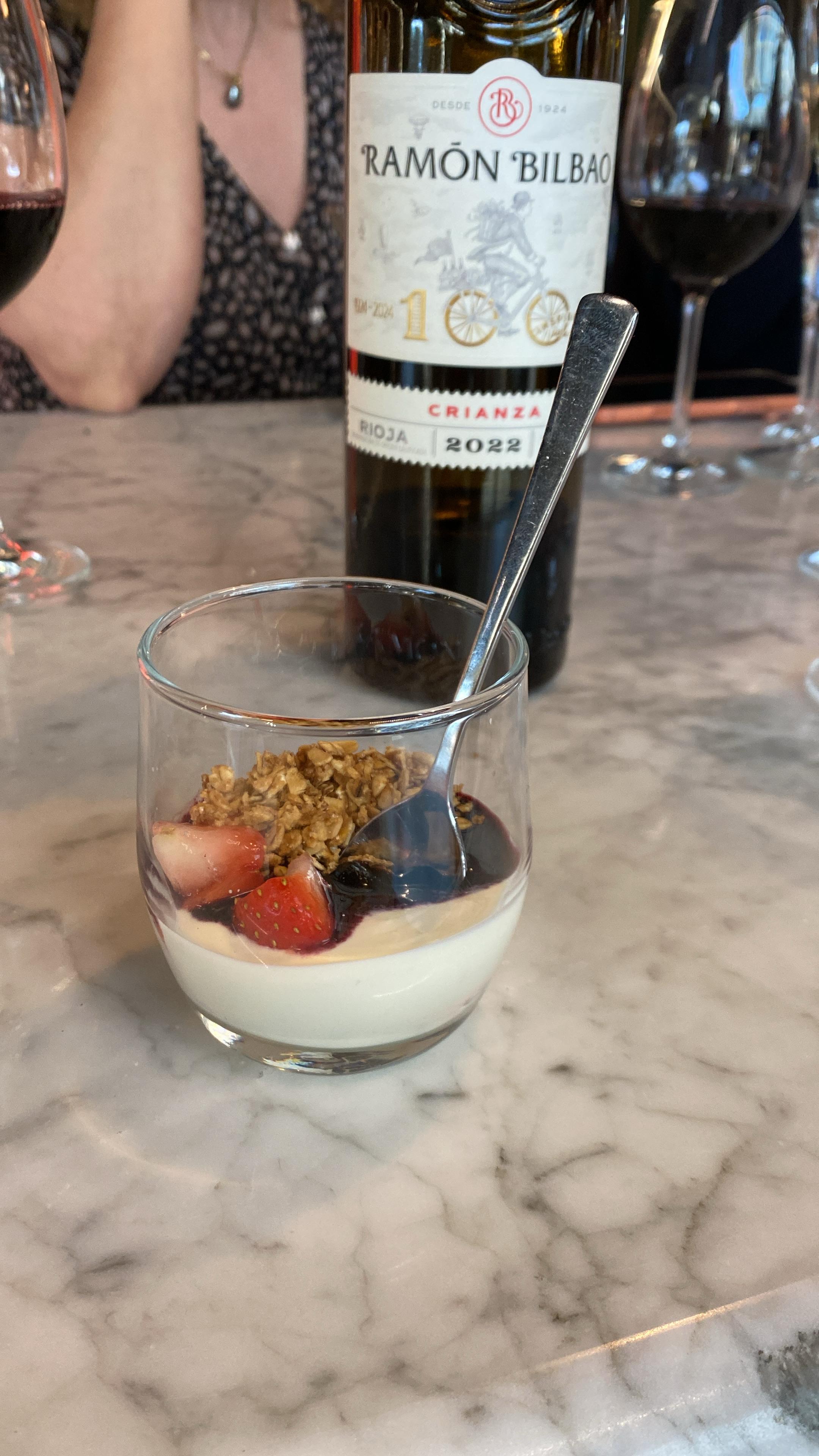
There’s something charmingly high-low about all this. A chef associated with presidential hospitality escorting passengers to airport tastings may sound illogical, but in Iceland it makes perfect sense. The country’s food culture has always been both elemental and refined: rooted in survival, weather, sheep, fish and dairy, yet increasingly expressed in a confident contemporary gastronomy. Hafliði becomes the bridge between those worlds – ceremonial enough to represent Iceland on the international stage, grounded enough to understand that a hot dog can convey as much national affection as a formal dish.
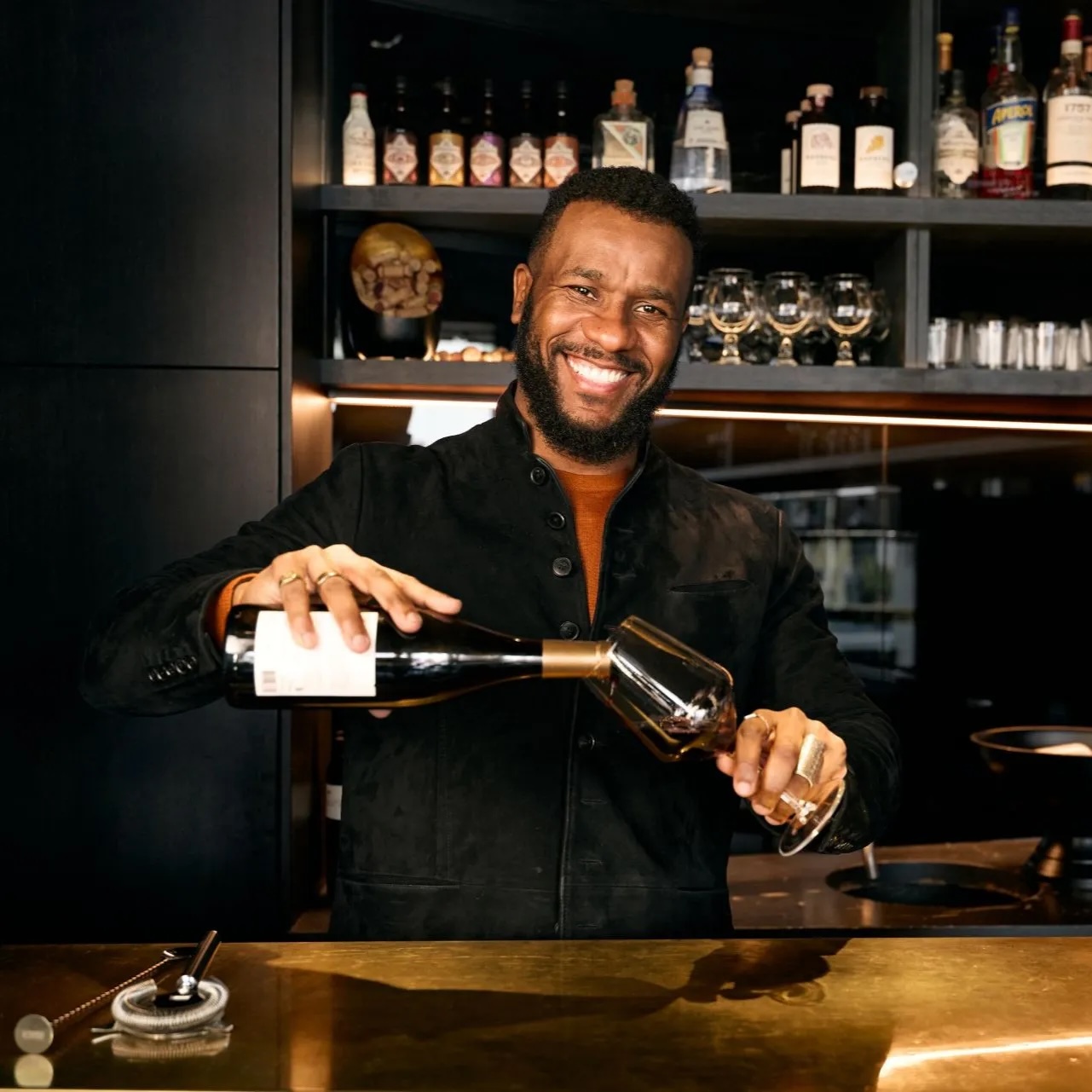
The drinks tour is naughtier. At Loksins Bar, guests are introduced to Icelandic favorites including Snorri beer, Gull beer, Brennivín – the infamous ‘Black Death’ – award-winning gin, cream liqueur and even Icelandic red wine via France. Hosted by Georg Leite, the veteran of the Reykjavík bar world behind Kaldi Barit sounds less like a corporate activation and more like the kind of pleasant detour you hope to encounter on a last evening abroad.
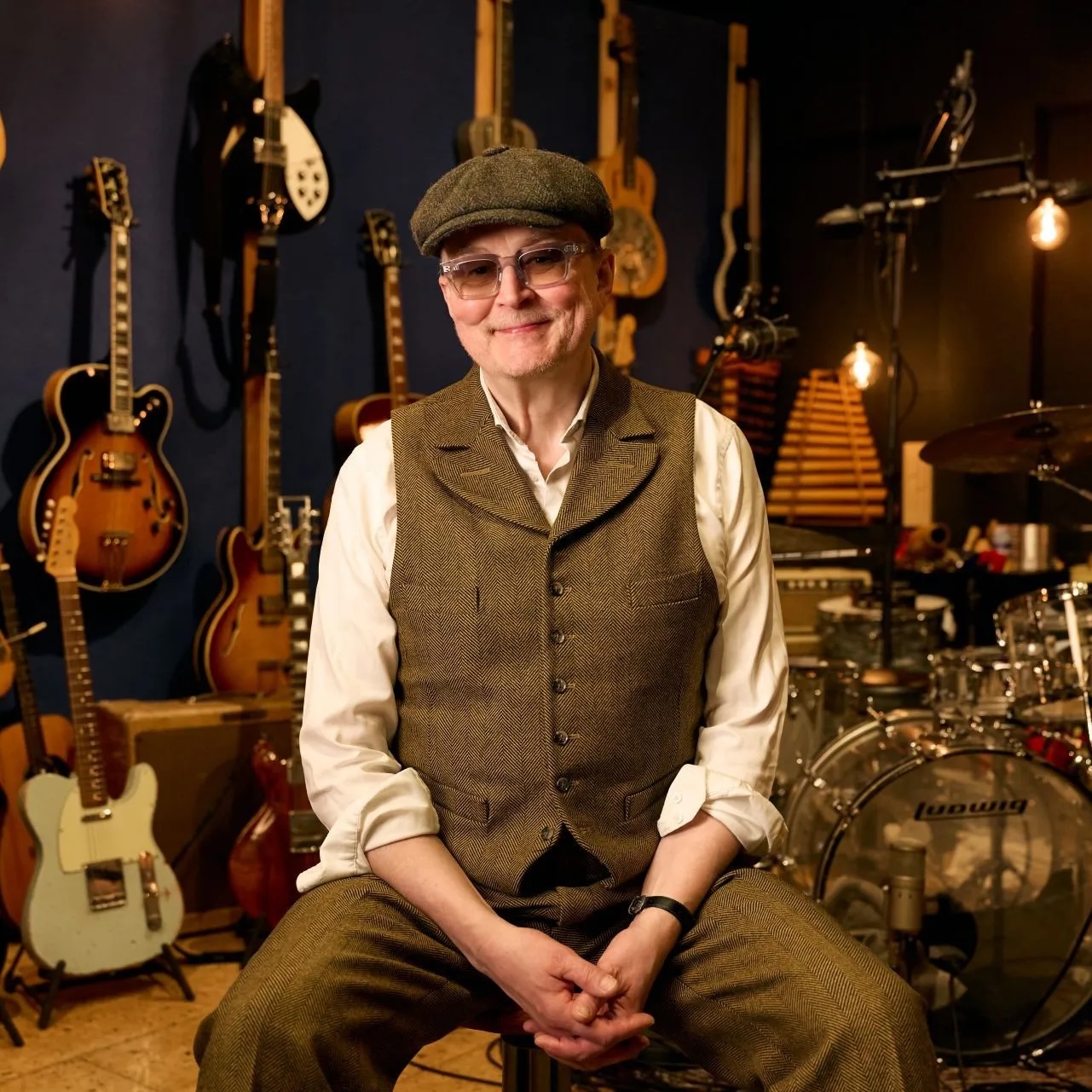
And because Iceland has long been exporting atmosphere through sound, the music tour provides the emotional swell. Led by Sigtryggur Baldursson, former drummer of The SugarcubesIt places KEF in the lineage of Björk, Sigur Rós, Of Monsters and Men, Kaleo, Laufey and others – a reminder that for a country of Iceland’s size, its cultural reach has always been wonderfully disproportionate.
What makes the Bless program interesting is not only that it promotes Icelandic culture, but that it does so at exactly the moment when culture usually falls into commercialism. KEF not only puts Icelandic products on its shelves; it adds hosts, stories, rituals and human presence. The airport becomes a soft power stage, where the last impression of Iceland is not a queue, but a conversation with a chef, curator, bartender or musician.
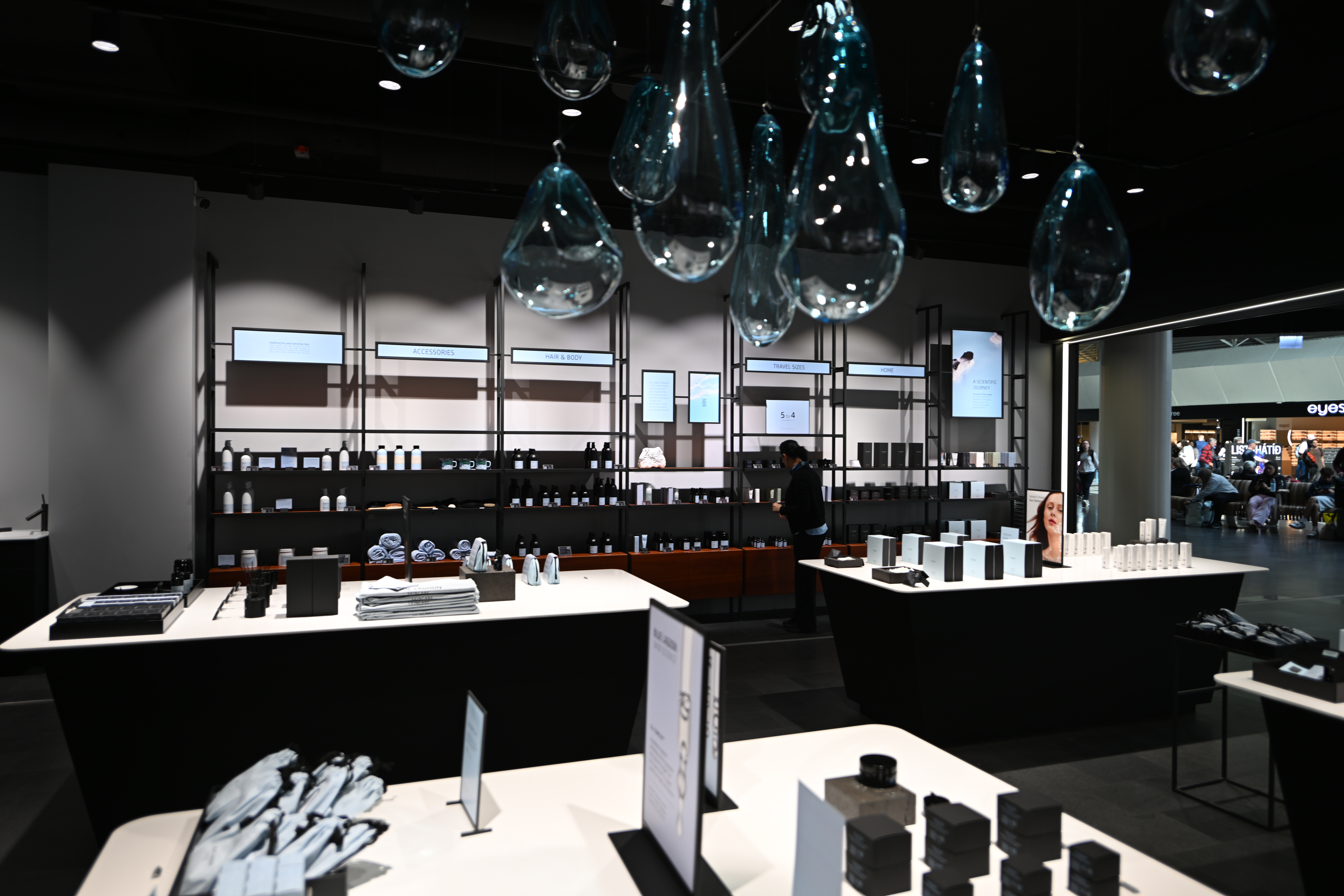 Blue Lagoon store
For travelers worried that they haven’t quite ‘done’ Iceland yet – missed the right restaurant, the right gallery, the right local drink, the right story – this is a charmingly pragmatic answer. KEF turns the departure lounge into a final curated encounter with the country. The gesture is small, but the symbolism is great: farewell not as disappearance, but as another invitation.
 66 North Iceland Shop
Ultimately, the brilliance of Bless is that it understands the emotional architecture of travel. The airport is where the spell usually breaks. Keflavík is trying to make sure it sticks in Iceland.
To experience this for yourself Visit Iceland And KEF airport
Images and words by Sid Thaker