Japan Expands e-Gates to Ease Travel for Foreign Visitors | News
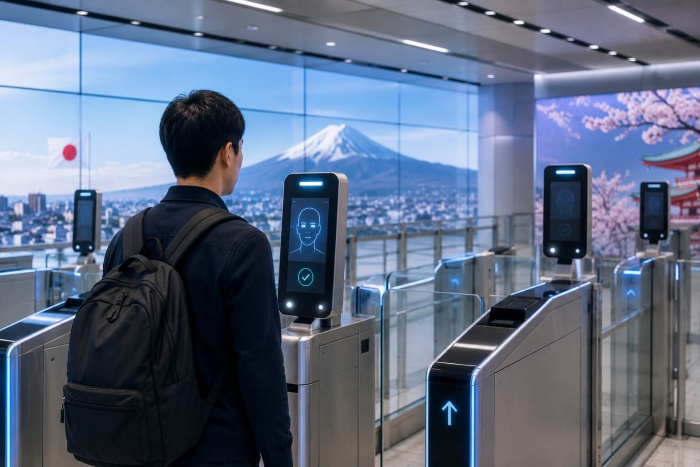
Japan is accelerating its transition to smarter, faster border control by expanding the availability of automated e-gates to foreign visitors. Known as Japan e-gate access for foreign visitors, the initiative is designed to reduce long lines at airports, speed up immigration processing and provide international travelers with a more seamless arrival and departure experience.
The automated gate system allows eligible travelers to complete immigration checks through a machine process instead of waiting at a manual inspection desk. The Japanese government describes the gates as a system that verifies travelers using passports and fingerprints, making entry and exit procedures faster and more efficient.
Japan is moving towards more digital airport processing
The expansion comes as Japan continues to modernize travel infrastructure amid strong international tourism demand. Automated immigration systems are already available at major airports including Narita, Haneda, Chubu Centrair and Kansai, according to Japanese government guidelines.
For travelers, the biggest advantage is convenience. Once a traveler is registered and approved for automated gates, he or she can use a dedicated lane and complete the procedures with less delay, especially during peak tourist periods when immigration counters can be busy.
Who can use Japan’s automated e-Gates?
Japan’s automated gate system has traditionally been available to Japanese passport holders and selected foreign residents allowed to re-enter the country. Foreign nationals may be required to register in advance and provide necessary documents, including a passport and, if applicable, residence-related documentation.
Japan has also made progress toward broader digitalized travel systems. The eVISA system allows eligible foreigners traveling for short-term tourism to apply online, depending on nationality, place of residence and travel conditions.
Why this is important for foreign visitors
Japan’s airport modernization strategy is part of a broader global trend as countries use digital identity checks, biometric verification and pre-arrival screening to make border crossings faster and more secure.
For tourists this can mean:
– Shorter waiting times for immigration
– Less dependence on manual counters
– Faster processing at major airports
– A more seamless arrival experience
– Deal better with increasing visitor numbers
The change is especially important as Japan remains one of Asia’s most popular destinations, attracting millions of travelers every year for its culture, food, technology, shopping and business.
Digital travel systems The new standard
Japan is making great efforts to upgrade its e-gates and develop more complete digital access systems. Reports indicate that Japan is developing JESTA, a proposed electronic travel authorization system for visa-exempt visitors, which is expected to help with pre-arrival screening before it is fully implemented later this decade.
This is the same as similar systems already in use or planned for places such as the United States, Canada, New Zealand, the United Kingdom and European destinations. These systems allow governments to screen travelers before they arrive, while also providing passengers with a cleaner, more digital travel process.
AI and automation are changing border control
Japan’s e-gate system is largely an automated immigration technology, but it suggests a future where AI, biometrics and digital identity tools could play a greater role in global travel.
Airports around the world are already rolling out facial recognition, automated document checks, smart kiosks and digital customs systems. Japan’s expansion of automated gates is a sign that travel is becoming increasingly data-driven, contactless and technology-enabled.
What travelers should do before visiting Japan
Foreign visitors planning a trip to Japan should check the latest entry regulations before traveling. Eligibility for e-gate use, eVISA access and future digital authorization systems may depend on nationality, passport type, residency status, visa category and arrival airport.
Travelers should also consult the official Japanese government websites when applying for visas or immigration requirements, as third-party travel pages may not always have the most up-to-date rules.
Conclusion
Japan’s move to expand e-gate access is another step toward faster, more automated international travel. With the combination of digital immigration systems and airport automation, Japan hopes to reduce congestion, improve border efficiency and provide a better experience for foreign visitors.
As travel worldwide becomes increasingly digital, Japan’s e-gate expansion is a case study of how automation is becoming part of the future of travel.onsism, airport security and international mobility.
For more Breaking AI news, visit: https://breakingai.news