SAG-AFTRA deal includes pension fund merger
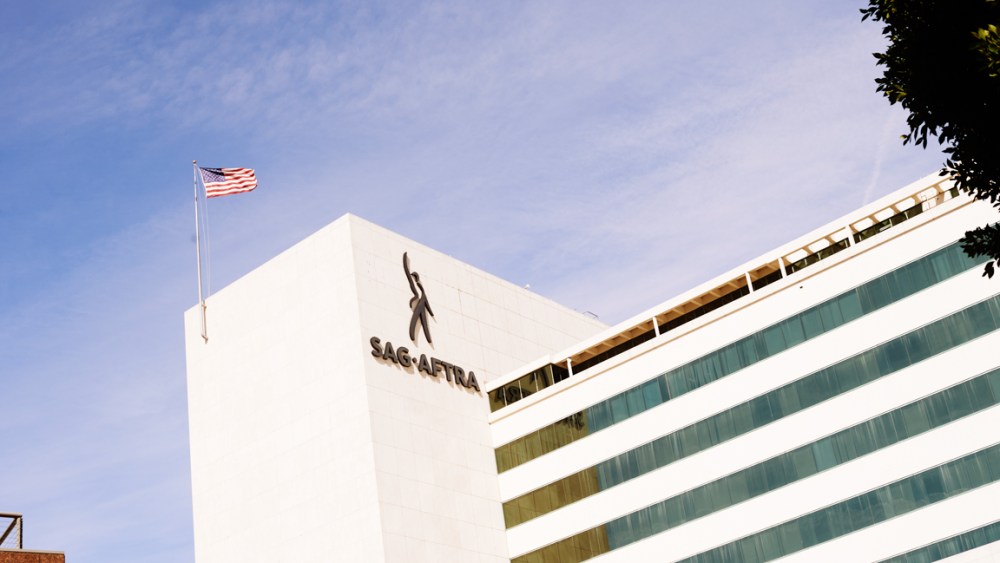
SAG-AFTRA’s board on Monday approved its four-year contract with the major studios, which includes a plan to merge the union’s two pension funds on Jan. 1, 2028.
The agreement now goes to members for a ratification vote.
The pension merger has been a source of internal friction in the past. The Screen Actors Guild and the American Federation of Television and Radio Artists merged into one union in 2012, and the health care plans merged in 2017, but the pension systems have remained separate.
Some SAG pension plan beneficiaries have warned that the merger with AFTRA will weaken the fund.
“It’s a bailout,” said Peter Antico, a former candidate for secretary-treasurer who has already filed a complaint about the matter with the Department of Labor. “It is very damaging to SAG and it saves AFTRA’s pension fund.”
One argument in favor of the merger is that some members earn income attributable to both plans, but not enough to qualify for retirement credits in either plan. These ‘split incomes’ will now be combined into one system, making some eligible for benefits who were not previously.
Concerns about the consequences of merging both the health and pension funds were a major source of opposition to the merger of the two unions in 2011.
The contract also includes artificial intelligence terms and streaming residuals.
SAG-AFTRA negotiators reached an agreement on May 3 after six weeks of negotiations with the Alliance of Motion Picture and Television Producers.
The AMPTP previously reached a deal with the Writers Guild of America, which was ratified on April 24 with 90% voting in favor. The WGA deal included a significant bailout for the union’s health fund, which had lost $200 million over the past four years, as well as cuts to health care benefits.
The Directors Guild of America spoke with the AMPTP on Monday to begin the round of negotiations, which are expected to last until early June.
The AMPTP wants to avoid a repeat of the 2023 strikes and build in a longer period of ‘labor peace’ by securing four-year contracts instead of the traditional three-year terms.