Korean K-culture and history in Japan
TOKYO — When the Korean YMCA was established in Japan in 1906, Koreans in Tokyo were in the unenviable position of being an oppressed minority whose homeland was about to be occupied by the country where they were living. But on Feb. 8, 1919, 11 students signed a declaration in this place, stating that Korea should be free from Japanese occupation.
But Japan colonized Korea from 1910 until the conclusion of World War II in 1945. “When the Korean population in Japan really spikes is in the colonial period,” said Cindi Textor, a professor of Japanese at the University of Utah who has done extensive research into the history and legacy of Japanese transnationalism and imperialism.
The Feb. 8 Independence Declaration would go on to inspire the independence movement across the East Sea — the preferred Korean term for the Sea of Japan— in March 1919.

Throughout the second half of the 20th century and until now, the story of the Zainichi – the Koreans in Japan and their descendants – changed, from a colonized people to a country influential in the region. South Korea, which was itself shaped by Japanese culture in the latter half of the 20th century, finds itself influencing Japan in the 21st century.
A historic building at risk
Today, the Korean YMCA in Tokyo is still honoring its history and place in South Korea’s national identity. There are numerous memorials to the date in the building, including in the small museum and photo gallery on the second floor.
However, the building, located in the ward of Chiyoda, faces mounting debt issues on top of the current closure for renovations, said Lee Sun-heng, an administrator at the Korean YMCA.
“The organization went into debt beginning in 2023. A reorganization took place and they shut down the programming side of things,” Lee explained.
Historically, while offering hostel services, Tokyo’s Korean YMCA location had also acted as a cultural ambassador by putting on traditional Korean artistic performances, as well as offering Korean language classes to anyone wishing to learn it.
Today, the Korean YMCA is under the management of the YMCA based in Seoul. As they face the financial issues, the reopening date and long-term vision for the property is unclear, Lee said. The organization’s programs and offerings going forward are also unclear.
“They don’t know when or if they will return to the same programs as in the past,” Lee said. “As far as the future plans, they have a governing council discussing what they want to do with the property. So it’s kind of a long, drawn out conversation.”
The Zainichi’s home in Tokyo
In the ward of Shinjuku is the Shin-Okubo neighborhood, Tokyo’s biggest concentration of Korean culture and population.
Decades ago, the area used to be known as a slum on the fringes of the Kabukicho red light district. The surviving pachinko parlors— a low-stakes, pinball-like arcade game exploiting a loophole around Japan’s strict gambling laws— give a clue to the area’s past.

“Immigrants who couldn’t find a path in this kind of more mainstream economy worked in this area of town where there’s more illicit activity going on,” Textor explained.
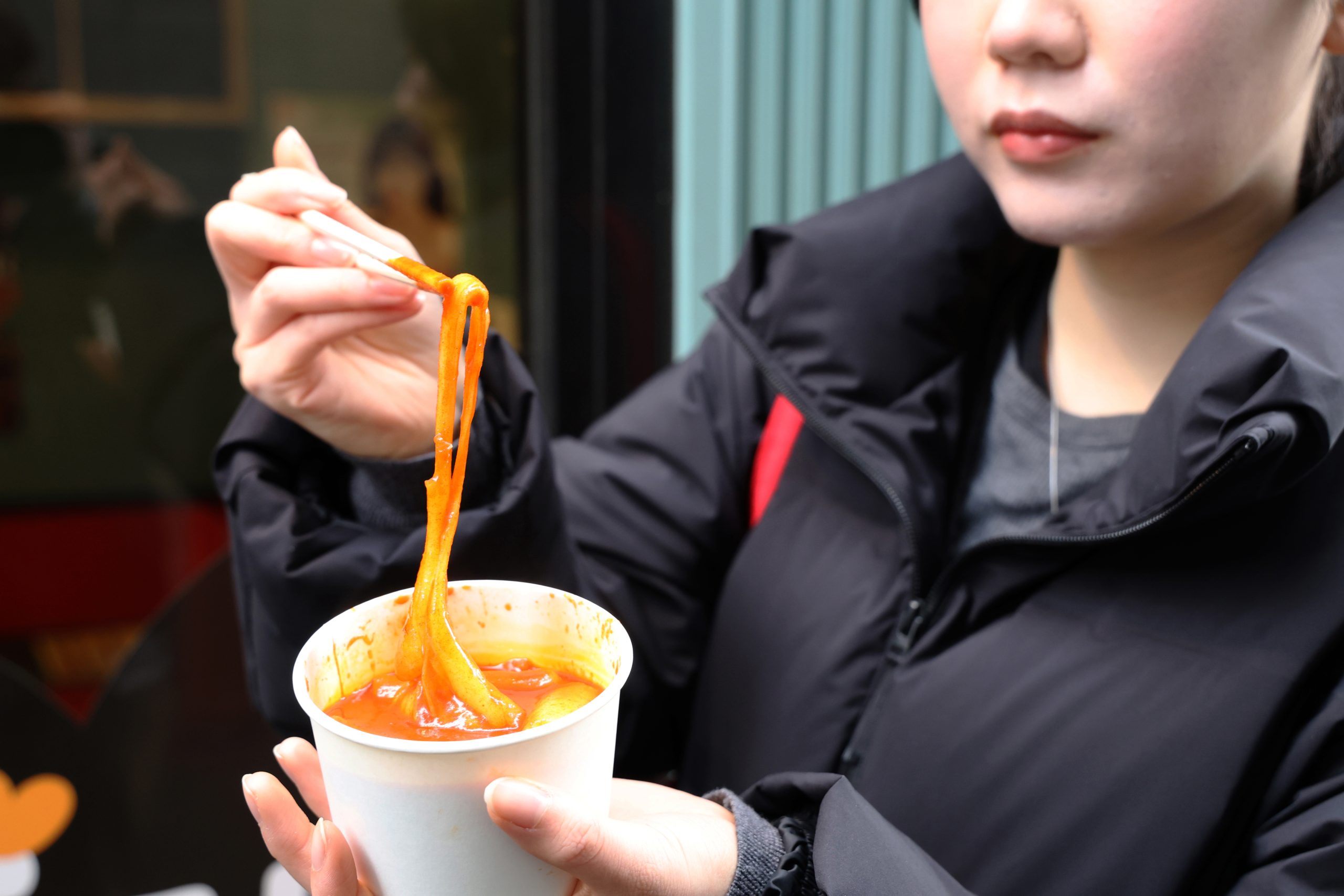
Today, Shin-Okubo is far better known as Tokyo’s Koreatown since it was settled heavily by Koreans following World War II. There are alleyways with Korean street foods made popular in K-dramas and music videos. Shops sell skin care and cosmetics from across the East Sea or K-pop paraphernalia. Eateries offer spicy and garlicky comfort foods like dakgalbi, bibimbap and nakji-bokkeum. Korean-style pocha bars pour soju late into the night. The transformation of Shin-Okubo has been profound, and reflects the evolving position of Korean culture in Japanese life as the decades have passed, Textor said.

“They settled in Shin-Okubo and because the enclave developed there, it also developed infrastructure like the Korean restaurants, bookstores, things like that,” Textor said. “What you’ll find today is that that’s evolved into a very hallyu, Korean wave, K-pop-focused business.”

Tucked far off the busy main road in Shin-Okubo, down a quiet residential street and inside a house, is the Korean Welfare Association in Japan. This organization focuses on helping many of Tokyo’s aging Zainichi who need special care or social activities.
“The Zainichi people here in Shin-Okubo, 30% of them are over 65 now,” explained Kim Yeong-ja, a volunteer at the association, who has lived in Japan for the past 20 years after moving from South Korea to study social work.
She explained that some of the older members of the association have memory conditions like dementia, which causes some patients to revert back to their native Korean language.
“Some people may not be able to get access to city hall or municipal services, because they can’t speak with them. So that’s the reason why this organization steps in to help,” Kim said.
The organization provides a place to socialize with regularly scheduled events. The nearby Tokyo Lutheran Church on the main road allows the association to use its multipurpose room and kitchen for the larger gatherings.

The association works hard to spread awareness and get volunteer help throughout the community, Kim explained.
“Every year we provide a networking event to connect with everybody, from wives, students and supporters to nurses, pharmacists and doctors. We’re trying to build up the connections to support elderly people,” Kim said.
Between two worlds

In the Minami-Azabu neighborhood of Minato ward, next to a South Korean consulate in Tokyo, stands the tall, ivory-colored headquarters building of Mindan, the Korean Residents Union in Japan.
Mindan provides unofficial consular and community services for Zainichi Koreans who are permanent residents of Japan. Gwak Ga-in is vice chairperson of the Mindan Youth Association, which conducts cultural outreach activities for young people across the country.
According to Gwak, the organization’s mission is defined as “contributing to the self-realization of young Korean residents in Japan and the creation of a multicultural society.”
Gwak said that the Zainichi identity is becoming a “source of joy” in modern Japan.
“In the past, ethnic discrimination and the resulting poverty were the most serious problems in the lives of Koreans living in Japan,” Gwak said. “In that era, being a Korean resident in Japan was the basis for discrimination and poverty.”
According to Gwak, the rise of modern Korean cultural soft power has improved things.

“With the rise of South Korea’s cultural presence, being a Korean resident in Japan has become more significant,” Gwak said. “At times, they are viewed favorably by the Japanese.”
But hate speech and other forms of discrimination still occur, Gwak said.
“I was in a situation where I couldn’t help but feel inferior because I was a Korean resident in Japan,” Gwak said. “Some young Korean residents in Japan have experienced discrimination in matters of love and marriage.”
She noted that despite these instances, the experience of being Zainichi in Japan nowadays is a happy one.
“Looking at it as a whole, the foundation of ethnicity has shifted from one of suffering, discrimination and poverty to one of joy, self-affirmation and social networks. That is what I think,” Gwak said.
For Gwak, the existence of these organizations that foster a stronger sense of community among the Zainichi people is vital, both now and in the future.
“I believe that welfare services that meet ethnic needs, such as language and culture, will become increasingly important,” Gwak said. “I’ve been able to make friends that I wouldn’t have met otherwise because I’m a Korean resident in Japan. In other words, ethnicity functions as a resource for forming human relationships.”
Related

Source link