Going solo in Peru: luxury stays, community-led adventures and off-the-beaten-path hikes | News
Recent travel research from ABTA shows that one in five adults now prefer to travel alone, the highest percentage we have seen this decade. With independent exploration firmly on the agenda, this growing need for solo travel fits in perfectly with National Walking Month in May. From two routes highlighted in Lonely Planet’s Where to Go When: Hiking to experiences ranging from luxury stays across the country to trips that support local communities, Peru is emerging as an exceptional destination – for solo adventurers and travelers looking to indulge themselves.
A luxury tour through Peru
With 14 Michelin Key hotels, four restaurants ranked among the 50 best in the world, and two iconic luxury train journeys, Peru is ideal for discerning travelers looking for enhanced experiences.
In Lima, foodies can dine at the world’s best restaurant or sip cocktails at one of the friendliest bars in the world, ranked on the world’s 50 best lists. Visitors can delve deeper into the city’s renowned culinary scene through curated food tours or hands-on cooking classes, taking home not only recipes but lasting memories.
In the Sacred Valley in Cusco, travelers can visit a llama shrine to learn more about ancestral Peruvian dyeing and weaving techniques. This authentic, immersive experience provides a direct connection to local people and cultural heritage – exactly the kind of meaningful engagement that Forbes highlights as a key luxury travel trend for 2026.
The journey can then end on the coast at Cabo Blanco in the Piura region, a former fishing paradise that was a favorite in the 1950s with icons such as Marilyn Monroe, Ernest Hemingway and Doris Day. Today it remains a haven of yoga retreats in luxury beachfront hotels, world-class birdwatching, fishing and surfing – ideal for unwinding before the flight back to Britain.
Solo female travelers supporting women and communities
With 60-70% of solo travelers now women, an increasing number of tour operators are offering Peru itineraries designed specifically for women – trips that also directly benefit local communities.
Highlights include visits to Bosque de Las Nuwas, a women-led initiative run by members of the indigenous Shampuyacu community. The project focuses on preserving ancestral knowledge and cultural traditions while actively combating deforestation.
Some operators also support Ccaccaccollo, an indigenous community near Cusco that founded a women’s weaving cooperative in 2005. Over the past twenty years it has grown from just three members to 46 women who make traditional woven crafts for visitors. Sales contribute to the family income and have helped fund education, including sending children to college.
Following in Paddington’s footsteps
With Paddington the Musical dominating this year’s Olivier Awards and its West End run extended until 2028, it’s the perfect time to trace the much-loved bear’s Peruvian roots.
Adventurers young and old can start in Lima and enjoy the vibrant food scene, street art and culture before flying north to Chaparrí Lodge in Chongoyape. Here, guests can search for the Andean bear (spectacled bear) in the Chaparrí Private Conservation Area, one of the most successful community reserves in Peru and home to one of the densest bear populations in the country. The best time to visit is from September to December, avoiding both the peak crowds and the rainy season. Further south, travelers can stay at Wayqecha Biological Station Lodge on the edge of Manu National Park. This unique property places guests alongside researchers and conservationists, offering guided cloud forest walks and expert-led birdwatching, while directly supporting vital conservation work.
Choquequirao: a quieter Inca wonder
Where to Go in Lonely Planet When: Hiking recommends trekking to the less-visited Inca citadel of Choquequirao in September. Accessible only on foot, this remarkable site features colcas, kallankas (ceremonial halls), ceremonial platforms, temples, fountains and ritual baths, as well as striking white stone lama carvings embedded in the terraces. Choquequirao received only a tenth of the visitors to Machupicchu and is said to have played a key role in the Inca resistance due to its altitude and isolation. The tour starts at Capuliyoc, descends into the Apurímac Gorge, crosses the river below and ascends to the citadel – whose name translates as ‘Golden Cradle’.
The Santa Cruz Tour
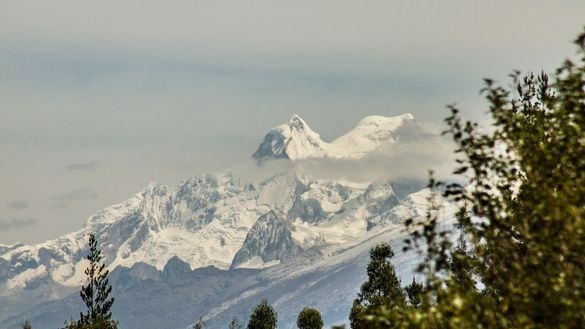
The Santa Cruz Trek is a challenging yet rewarding four-day hike through the Cordillera Blanca in the Huascarán National Park. The route crosses glacial lakes such as Ichiccocha and Jatuncocha and culminates in breathtaking views of the turquoise Llanganuco Lakes. With elevations ranging from 2,900 meters to 4,750 meters at the Punta Unión Pass, the tour includes three nights of high-altitude camping, including at Llama Corral, an ancient archaeological site marked by concentric circular stone walls.
For travelers looking for an even bigger challenge, Lonely Planet also recommends the Cordillera Huayhuash Circuit, which is best completed solo as part of an organized group tour. This demanding route circles one of the most dramatic and remote mountain ranges in the Andes, south of the Santa Cruz region.
For more destination information and to plan your trip, visit www.peru.travel