Orgullo Japonés (Japanese Pride)
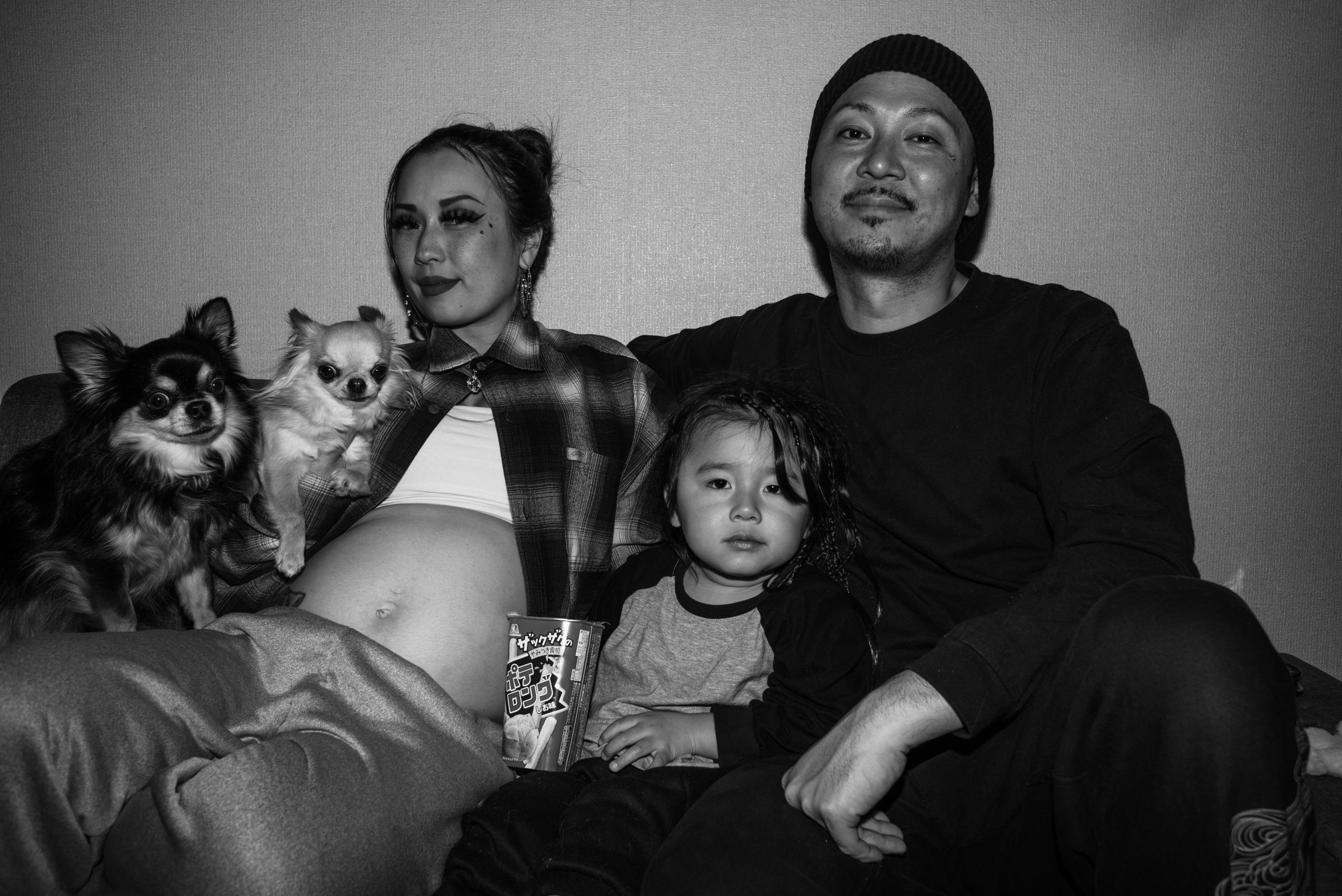
TOYOHASHI – On March 13, 2026, my last day in Japan, I took a train ride for a couple hours to meet in south of Tokyo Ayaka Shiota, a Japanese model and reggaetón dancer who has become internationally famous for her “Pinche Loca” tattoo.


I have a permanent devotion to the Chicano subculture, defined by political, ethnic and cultural liberation in the United States. I wondered what made Ayaka and her husband, from an ocean away, spend most of their lives embracing what was a part of my upbringing.

As I spent the afternoon with her, her husband, Fumiaki, and their 4-year old son, Kushu, in their home in Toyohashi, I found people that I felt at home with in a way I hadn’t for the entirety of my time in Japan. Despite the language barrier, I learned they resonated with the culture for the same reason I liked it, too: it was liberation from uniformity. It’s how we could be defiant when so little around us seemed to be in our control.

Ayaka is eight months pregnant, meaning the family will soon grow. Fumiaki, a perilla leaf farmer and a hip hop artist known as SURELO, has a tattoo across his chest reading “Orgullo Japonés,” or “Japanese Pride” in Spanish. And while Ayaka’s tattoo “Hecho en Shinovi” does not have a grammatical translation, I understood both of these pieces as their commitments to Chicano culture as craft.

If I were to put it in Spanish and Japanese slang, they are bien gachi (ガチ) or bien michi (道), which both mean, in different ways, that their place in the culture is lifelong, just as mine is.

Related

Source link