Geopolitical tensions are taking their toll on global business travel | News
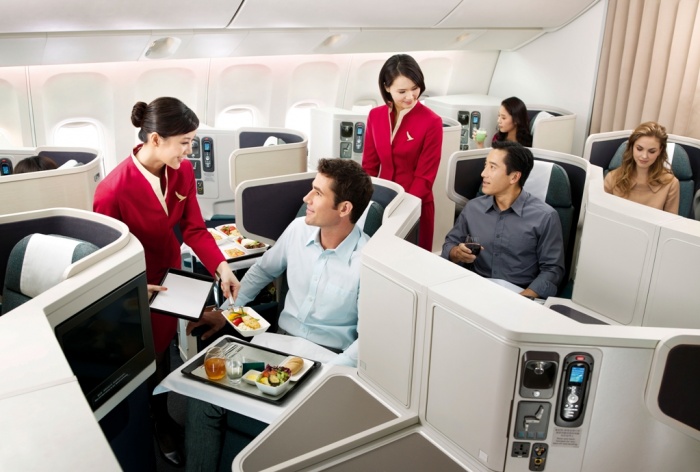
Global business travel will continue at a steady pace in 2026, but with significantly more caution, less confidence and more operational complexity than at the start of the year.
This is evident from a new study by the Global Business Travel Association (GBTA).
Organizations continue to travel, spend and meet, but they do so amid escalating conflict, higher costs and increasing disruption.
The shift is evident across all regions, but is most pronounced in Europe, where industry pessimism now outweighs optimism as broader geopolitical conflicts increasingly shape travel routes, security considerations and meeting decision-making worldwide.
Increasing caution
The April GTBA Business Travel Industry Sentiment Survey reflects the perspectives of more than 500 business travel managers, travel suppliers and agents worldwide.
“What we are seeing is not a broad retreat from business travel, but a more deliberate and carefully managed approach to it. Organizations continue to travel and meet – and innovate – but they do so while adapting to rising costs, operational friction and escalating geopolitical tensions,” said Suzanne Neufang, CEO of GBTA.
“These pressures are changing how, where and why companies now travel, making experienced business travel professionals more important than ever to keep travelers safe, manage risk and disruption and manage budgets so organizations and people can continue to connect and do business.”
Geopolitical tensions are now the dominant concern
According to April survey respondents, geopolitical instability has become the top external risk impacting business travel decisions in 2026.
Nearly eight in ten respondents (79 percent) now cite geopolitical instability and conflict as one of the top travel-related risks, making it the top industry concern globally.
The impact is especially visible in Europe, where more than nine in ten respondents (92 percent) view geopolitics as a primary risk, compared to 72 percent in North America.
Confidence has been declining since January, especially in Europe
Overall optimism in the sector has declined significantly since the start of the year.
Only 41 percent of all respondents worldwide say they are optimistic about the business travel industry in 2026, down from 59 percent in January.
At the same time, the share expressing pessimism has almost tripled, from nine percent in January to 24 percent of respondents in April, likely reflecting increased exposure to geopolitical instability, pressure on travel affordability and overall disruption.
More information
Visit GBTA Research for more details and to access the full results of the April 2026 GBTA survey website.