CRM-driven personalization: moving beyond automated messaging to predictive guest experiences | News
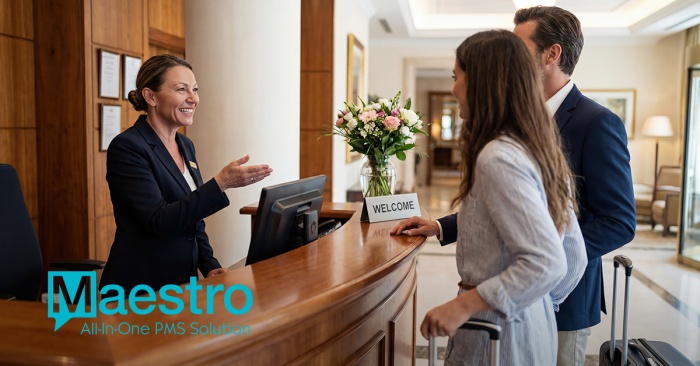
Personalization has been discussed in the hospitality industry for years. Today, personalization is no longer optional; it is a critical differentiator that drives loyalty, revenue and long-term competitive advantage. Hotels that deliver experiences tailored to each guest outperform the market, while hotels that rely on generic messaging are increasingly at risk of becoming irrelevant.
The next era of guest engagement isn’t about sending more messages. It’s about delivering the right message, at the right time, shaped by meaningful guest insight. Hotels are moving away from automation for automation’s sake and toward something much more powerful: predictive, intelligence-driven experiences powered by Customer Relationship Management (CRM) intelligence.
This is where a personalized hotel CRM solution becomes more than just a technology investment. It becomes a strategic foundation for both guest experience and revenue performance.
Not long ago, the industry’s definition of guest communications was quite simple. Confirmation emails, pre-arrival reminders, post-stay surveys. Automated workflows helped hotels scale communications, which was a significant step forward.
But today’s guests expect more than just efficiency. They expect recognition.
They want the hotel to understand who they are, anticipate what’s important to them and create experiences that feel curated rather than generic. The difference between “automated” and “personalized” is subtle on the surface, but transformative in practice.
Automation distributes messages according to a schedule. True personalization is determined by guest information and shaped by preferences and behavior.
In many ways, this shift reflects a broader evolution of hospitality CRM strategy: hotels no longer just communicate with guests; they learn from guest behavior and preferences over time.
Where many hotels still fall short
The challenge is not the intention, but the infrastructure.
Guest data is everywhere: in the hotel management system (PMS), in booking channels, in loyalty systems, on email platforms, in on-site interactions. Too often it remains fragmented, underutilized or locked in silos.
As a result, personalization becomes superficial.
A guest may receive a “welcome back” email, but the hotel does not remember their room preference; either a family traveler is offered a couples package, or a high value returning guest is treated the same as a first time OTA booking. Without a CRM that unifies guest profiles and supports segmentation, hotels risk delivering experiences that feel automated rather than intentional.
And today guests are taking notice.
The real opportunity lies in moving beyond surface-level personalization to intelligence-driven personalization that is rooted in insight, not assumptions or incomplete data.
Smarter personalization starts with the PMS
The future of guest experience personalization depends on systems that do more than just store guest information, but activate it throughout the entire operation. Therefore, personalization cannot only occur in marketing tools or disconnected CRM databases. The greatest opportunities arise when guest intelligence is rooted in the PMS, where reservations, preferences, stay history, spending patterns and on-site interactions all come together.
In many ways, the PMS has become one of the most strategic personalization platforms within the hotel technology ecosystem. When guest data is unified at its core, hotels can go beyond the superficial and start delivering experiences that are seamless and truly customized, from pre-arrival to post-stay. A modern hospitality CRM strategy works best when it is driven by operational insight, not just promotional messaging.
With the right PMS foundation, hotels can build richer guest profiles, track meaningful preferences over time, and support segmentation that drives smarter engagement, not just marketing.
This is where data-driven personalization becomes useful. It’s no longer about sending generic campaigns or automated reminders. It’s about shaping offers, services and communication based on who the guest is, what they value and where they are on their journey.
Guest profile segmentation for hotels is much more impactful when it reflects actual stay behavior rather than assumptions. Whether identifying returning business travelers, leisure guests who consistently upgrade, or families who return seasonally, hotel CRM personalization strategies become much more feasible when the data is connected through the PMS.
And most importantly, this intelligence not only supports marketing, but also the on-site teams delivering hospitality in real time. It helps hotels create consistency, recognition and personalization across every department.
The revenue impact of personalized CRM
Personalization is often seen as a guest experience initiative, but in reality it is just as much a revenue strategy. Hotels that invest in CRM personalization are better positioned to strengthen direct relationships, reduce dependence on third-party channels, and deliver offerings tailored to proven guest intent
When communication is personalized, conversion improves. When offers match the guest’s intent, additional spend increases. When guests feel known, loyalty increases.
In short: the revenue impact of personalized hotel CRM is real, measurable and growing.
Leading hoteliers are increasingly recognizing that CRM is not just a marketing tool. It’s a revenue engine that connects guest insight to smarter commercial decisions. It supports smarter forecasting, stronger retention, and more meaningful guest life value. And perhaps most importantly, it helps hotels move from reactive engagement to proactive experience design.
That is the future of hospitality.
The takeaway
Hospitality is entering a new chapter where personalization is not defined by automated touchpoints, but by intelligence-driven experiences. Hotels that will succeed in this next era will be those that view CRM as a strategic foundation and not an add-on. They will unify guest data, thoughtfully segment, and deliver communications that feel human, relevant, and predictive.
The question is no longer whether personalization matters, but whether your systems and strategy are equipped to deliver it consistently and at scale.
At Maestro, we believe the most powerful guest experiences come from deeply understanding guests and using technology to support, not replace, hospitality. The future belongs to hotels that can convert data into connection, and connection into loyalty and revenue.
That’s what CRM-driven personalization truly represents.
About the author
AI-generated content may be incorrect. Lisa Jane Wheaton is the Senior Product Strategist of Maestro, the preferred web browser-based cloud and on-premises all-in-one PMS solution for independent hotels, luxury resorts, conference centers, vacation rentals and multi-property groups. Maestro’s business system offers built-in payments and more than twenty integrated modules in one database, including mobile and contactless apps to increase profitability, drive direct bookings, centralize operations and enable operators to engage guests with a personalized and secure experience. Maestro’s Support Service provides unparalleled 24/7 live support and education services in North America.