How Boutique Expedition Cruising is shaping sustainable tourism in Latin America | News
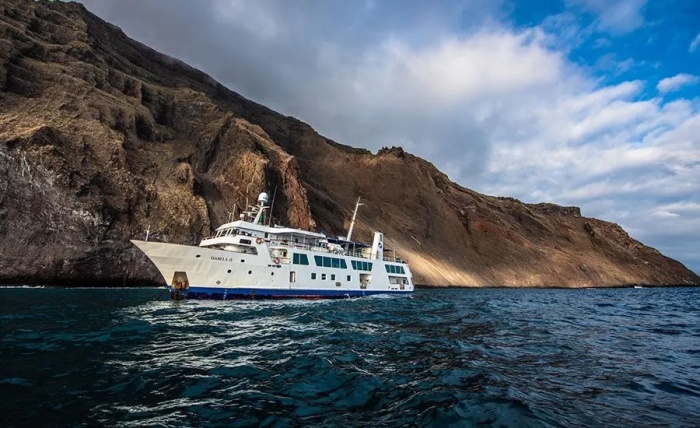
In recent years, the travel industry has seen a significant shift toward sustainable tourism, with travelers increasingly seeking unique, environmentally conscious experiences that offer deeper connections to nature and local cultures. One of the most exciting developments in this movement is the rise of boutique expedition cruises, small, intimate voyages that offer a sustainable, personalized way to explore some of the world’s most biodiverse regions. In Latin America, these cruises are playing a vital role in transforming tourism by prioritizing conservation, supporting local communities and providing immersive, low-impact experiences in destinations such as the Amazon, Patagonia and the Galapagos Islands.
The appeal of boutique expedition cruises
Unlike traditional mass-market cruises, boutique expedition cruises operate on smaller ships, which typically carry fewer passengers. These ships focus on offering more than just luxury amenities; they emphasize cultural immersion, environmental awareness, and educational enrichment. For travelers looking for a more intimate and authentic travel experience, boutique expeditions provide a perfect opportunity to explore off-the-beaten-path locations that are often inaccessible to larger cruise ships.
Latin America, with its unparalleled natural beauty and biodiversity, is an ideal region for this type of cruise. From the lush rainforests of the Amazon to the windswept landscapes of Patagonia, small ship expeditions allow travelers to explore these regions in a way that minimizes the impact on their fragile ecosystems. In fact, many of these boutique cruises are leading the way in sustainable tourism by adhering to strict environmental standards and supporting conservation efforts that protect the very destinations they visit.
Supporting sustainable tourism in regions rich in biodiversity
As tourism in Latin America continues to grow, concerns about its impact on local ecosystems have become increasingly important. Mass tourism often leads to overpopulation, overdevelopment and depletion of natural resources. However, Boutique Expeditions are designed with sustainability in mind, helping to mitigate these effects and promote responsible travel.
One of the main advantages of boutique cruises is their smaller size. Fewer passengers mean these ships can reach remote destinations without unnecessarily burdening the local environment. For example, in destinations like the Galapagos Islands, a UNESCO World Heritage Site known for its exceptional wildlife, smaller ships can navigate more sensitive areas that are difficult or impossible for larger ships to reach. This allows passengers to experience the region’s unique ecosystems while minimizing the risk of disruption.
In addition to smaller ships, many boutique cruise operators adhere to sustainable practices on board. Energy efficient systems, waste reduction initiatives and locally sourced food are just some of the ways these companies minimize their carbon footprint. By traveling with these providers, travelers can trust that their trips are supporting the health of the regions they visit, rather than contributing to their decline.
Destination focus: The Galapagos Islands
Perhaps no destination embodies the principles of boutique expedition cruising more than the Galapagos Islands. Known for their incredible biodiversity and scientific significance, the Galapagos have long been a dream destination for nature lovers and environmentally conscious travelers. However, the islands are also vulnerable to the consequences of mass tourism. That’s why boutique cruises have become such a vital part of the region’s sustainable tourism efforts.
Smaller ships allow for more intimate and environmentally responsible visits to the islands. Instead of large crowds descending on popular locations, boutique expeditions offer more controlled, lower-impact excursions that help preserve the islands’ fragile ecosystems. With an emphasis on wildlife viewing, natural history and conservation, these cruises offer travelers a deeper insight into the Galapagos and the ongoing efforts to protect its unique species.
For example, Galapagos Cruises have become one of the most important ways to experience the islands’ biodiversity while ensuring tourism remains sustainable. These cruises offer a low-impact alternative to traditional mass-market ships, allowing guests to experience the island’s rare wildlife, pristine beaches and volcanic landscapes while contributing to conservation efforts.
How these cruises support local communities and conservation
Boutique expedition cruises don’t just focus on environmental sustainability; they also have a positive impact on local communities that depend on tourism. By working closely with locals, these cruise operators ensure that their visits benefit the region economically while supporting cultural conservation.
In many Latin American countries, cruise companies that prioritize community engagement are working with local businesses to provide authentic, locally sourced experiences for travelers. Whether hiring local guides, sourcing artisanal products or organizing cultural exchanges, these partnerships help create jobs and promote economic growth in remote areas.
Conservation is another area where boutique cruise operators are making a significant difference. Many work with environmental organizations to support conservation efforts in the regions they visit. This may include financial support for wildlife conservation programs, research initiatives, and other efforts aimed at safeguarding natural resources for future generations.
The future of boutique expedition cruises in Latin America
As travelers continue to seek unique, sustainable experiences, demand for boutique expedition cruises in Latin America is only expected to increase. As more attention is paid to ecotourism, more and more destinations will embrace small ship cruises as a way to balance the economic benefits of tourism with the need to protect the environment.
However, there are still challenges that need to be addressed, such as ensuring that the growth of boutique cruise traffic does not lead to overcrowding or environmental degradation. To meet these challenges, operators must continue to innovate, develop new sustainability practices and work closely with local governments and communities to manage tourism responsibly.
Conclusion
Boutique expedition cruises are redefining the way travelers experience Latin America, offering a sustainable and intimate alternative to mass tourism. By focusing on smaller, eco-friendly ships and partnering with local communities and conservation efforts, these cruises help preserve the region’s most biodiverse destinations and provide travelers with authentic, life-changing experiences. Whether you explore the pristine waters of the Galapagos or the dense jungles of the Amazon, boutique expedition cruises are leading the way to a more sustainable future for travel.