8 Best Equipment Loans for a Startup Business in 2026
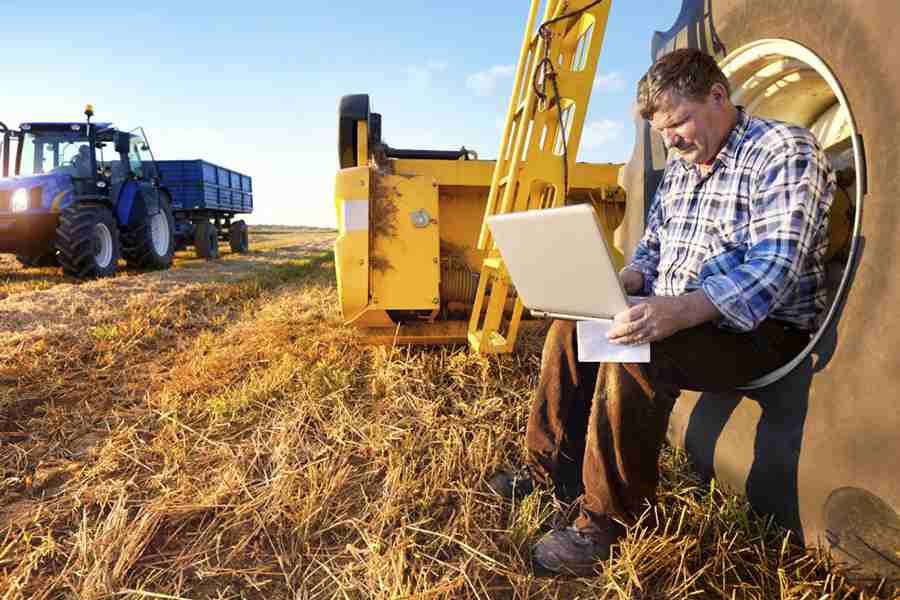
The best equipment loans for startups make it possible to finance the tools, vehicles, or machinery you need, even if you have less than two years in business. When you’re comparing lenders, focus on the ones built for early-stage companies, meaning low (or no) revenue minimums, reasonable credit requirements, and rates and repayment terms that won’t squeeze your cash flow. A strong, startup-friendly equipment loan should also include responsive customer support, competitive pricing, and flexible terms that grow with you.
Here are my top eight picks for the best equipment loans for startups:
Quick comparison of the best equipment loans for startups
To boost your approval odds, see our tips in our guide on how to get a small business loan. There, you’ll find information on what lenders look for at each stage of the loan process and how best to present yourself to get the best rates available.
Smarter Finance USA: Best overall for flexible requirements, rates, and customer service
Why I like Smarter Finance USA
Smarter Finance USA offers some of the most flexible qualification requirements in this guide. Applications are reviewed on a case-by-case basis, which can work in your favor if you are in the early stages of growing your business and have limited resources.
It also has a network of nearly 40 partnering lenders, which both increases your odds of approval and allows you to consider multiple financing options at once. Additionally, it offers favorable rates and terms, which can be especially helpful to startups looking for financing with flexible qualifications.
Smarter Finance USA specializes in equipment loans and deals heavily with vehicle financing. This includes trucks and heavy equipment such as excavators, cranes, backhoes, and bulldozers. It offers equipment financing for a wide variety of industries, including healthcare practices, food service, and construction.
Even though this option is startup-friendly and doesn’t set a minimum credit score, it still helps to apply with your strongest profile. A score over 600 can boost your chances of approval and may unlock better terms. Your down payment can also shift based on how solid your business financials look, so stronger cash flow and documentation often translate to more favorable requirements.
To learn more or to apply, visit the Smarter Finance USA website.
Lendio: Best for multiple loan options
Why I like Lendio
As a loan broker with over 75 partnering lenders, Lendio has the ability to present you with multiple financing options with a single application. Compared with Smarter Finance USA and 1West, its vast lender network can improve your chances of being matched with financing that meets your needs.
When you work with Lendio, you’re matched with a lending specialist who takes the time to understand your business, goals, and qualifications, then helps connect you with the best-fit lender from its partner network. Lendio can arrange equipment financing for a wide range of needs, including vehicles, machinery, restaurant and kitchen equipment, office furniture, and medical equipment.
You can apply directly on Lendio’s website, and the form typically takes only a few minutes to complete. If the lender needs anything else, you’ll usually get a follow-up by email or phone with the next steps. Be sure to send any requested documents quickly, since your application usually isn’t considered complete until those items are received.
SBG Funding: Best for custom repayment terms
Why I like SBG Funding
As a startup, you’ll often benefit from financing that can flex with your cash flow, and SBG Funding stands out if you want more control over repayment terms. Depending on the loan, you may be able to defer payments at the start, there are no prepayment penalties, and rates and terms are competitive.
One trade-off is that SBG Funding has one of the highest revenue minimums in this guide. And while it advertises an 85% approval rate, you’ll still want to submit a strong application. A 600 credit score meets the baseline, but if you’re right around that mark, solid revenue can help strengthen your file.
SBG Funding doesn’t do a hard credit pull during the process, so you can explore offers without a hit to your score. Plan to provide an invoice for the equipment you’re buying, along with recent bank statements. You can apply online through the SBG Funding site, and the application can take as little as 10 minutes.
Creditfy: Best for long-term equipment financing options
Why I like Creditfy
I recommend Creditfy if you want a true long-term option for equipment financing, since it offers some of the longest repayment terms in this roundup. Lendio may be able to reach up to 10 years in certain cases (depending on the lender), but Creditfy can start with lower rates and typically has more flexible qualification standards. That can make it a better fit if you’re working with a tight budget, a limited credit profile, or have less time in business.
Creditfy also supports both tailored financing and leasing for new or used equipment, and it doesn’t require a down payment. You may be able to roll in eligible soft costs and service-related fees, like delivery, installation, maintenance, warranties, taxes, and similar add-ons.
Eligible industries include the following:
- Automotive
- Agriculture
- Construction
- Energy
- Fitness
- Hospitality
- Industrial
- Manufacturing
- Media
- Medical
- Technology
- Transportation and waste management
Creditfy is highly rated and has a loan approval rate of 90%. It has exclusive partnerships with some lenders and also requires its lending representatives to have a minimum of two years of industry experience to best match you with a suitable lender. To learn more, visit Creditfy’s website to review its loan offerings or submit an application.
1West: Best for a simple application process
Why I like 1West
In a startup, speed and simplicity matter, and a quick application can save you a lot of time. That’s where 1West stands out. Its Automated Business Lending Engine (ABLE) is designed to provide you with financing options around the clock, so you can explore offers without having to speak directly with a loan officer.
1West can help finance a wide range of new or used business equipment. Like Lendio, it operates as a broker, tapping into a network of roughly 50 lenders to find potential matches. If you prefer more hands-on guidance, you can still connect with a loan specialist for help navigating your options.
The main drawback is timing. Funding typically takes about a week, which is slower than some other providers in this guide, and more complicated deals may take longer. You can submit an online application from the 1West website. To expedite the process, you can prepare commonly requested documents, which include the following:
- Three months of business bank statements
- Government-issued identification
- Voided check for your business bank account
National Funding: Best for small funding needs and low lease payments
Why I like National Funding
National Funding is a solid pick if you are financing a smaller equipment purchase and you want a straightforward process. It offers equipment financing and leasing for new or used equipment, with financing available up to $150,000. It also notes that it can cover up to 100% of the equipment cost, with no upfront fees or down payment required.
If timing is a priority, National Funding states you may receive funding as soon as 24 hours after approval. It also says early payoff discounts can be available, and that the specifics are disclosed before you accept your offer and receive funds.
One differentiator is its Guaranteed Lowest Payment program for equipment leasing: it guarantees the lowest lease payment for qualifying lease terms of 24 to 60 months, or it will pay $1,000 toward qualifying executed leases. The rules also explain that the company may either beat the competing payment or make the $1,000 payment, depending on program requirements.
You can submit your application online, and for hands-on guidance, you can work with a dedicated funding specialist to sort through options and choose terms that match your cash flow and equipment timeline once approved.
Ameris Bank Equipment Finance: Best for fast approval and funding speeds
Why I like Ameris Bank Equipment Finance
I recommend Ameris Bank Equipment Finance (formerly Balboa Capital) for its ability to offer some of the fastest approval and funding speeds compared with other providers on this list. The lender states that if you apply during regular business hours, you can receive a decision in as little as one hour, with the possibility of same-day funding after approval.
That quick turnaround is tied to its application-only process for certain financing requests. It can approve hard collateral financing up to $500,000 and soft collateral financing up to $350,000 with reduced documentation, which can be especially appealing for startups and small businesses that want to keep the process simple.
The tradeoff is that qualification standards are tighter than with many alternative lenders, and the most competitive rates are typically reserved for borrowers who exceed the minimum eligibility requirements. If you want to explore your options without committing, you can request a free, no-obligation quote directly through Ameris Bank Equipment Finance.
eLease: Best for newer businesses seeking smaller financing amounts
Why I like eLease
eLease doesn’t disclose maximum loan amounts, but it still made the list because of its competitive rates and flexible qualification requirements. With no minimum time in business required, it can be a good option if you’re a newer company that doesn’t need a large amount of financing.
It can offer funding for a wide range of business industries. You can find the full list on its website, but listed below are some examples:
- Agricultural equipment
- Brewery equipment
- Computer equipment
- Construction equipment
- Dry cleaning equipment
- Fitness equipment
- Medical equipment
- Machinery
- Network equipment
- Restaurant equipment
eLease also does not publicly disclose its qualification requirements, as they can vary on a case-by-case basis. Specific eligibility criteria will depend on your specific company’s credit, business finances, and down payment amounts. In many cases, a personal guarantee will also be required. However, this shouldn’t discourage you from applying, as it just means that you’ll need to be prepared to furnish proper documentation.
To apply, learn more, or contact the lender, visit the eLease website. There, you’ll find the company’s phone number and online link to submit an application in just a few minutes.
How I chose the best equipment loans for startup businesses
When reviewing equipment loan lenders, I considered a variety of factors. I took into account key factors that would be most important to a startup business and analyzed options that I think would fit the bill and be applicable to a wide small business audience.
- Interest rates, fees, and estimated APRs: I considered whether rates were competitive, fees were affordable, and APRs were suitable for long-term budgeting.
- Qualification requirements: To ensure it could span various borrowers and industries, I closely reviewed various qualification requirements.
- Loan amount: I took into account various financing scenarios that can suit both small and large funding needs.
- Loan terms: Repayment terms are often customizable, and I chose lenders that offer a wide range of repayment periods for businesses that need either short or long-term financing.
- Ease of application: To ensure you save time, I selected lenders with a fairly simple application process so that you can streamline your access to funds.
- Application, approval, and funding speeds: Knowing that some businesses can’t always wait too long for funding (whether it be to purchase an asset or complete a project), the lenders I evaluated offer funding within a few days or less.
- Documentation requirements: Minimal documentation requirements were a key consideration of mine to ensure the process is simple and the borrower doesn’t get overwhelmed.
- Company info and customer reviews: Lastly, I gathered my information directly from company sources and factored in customer reviews and ratings to ensure it’s reputable and worth considering.
How to choose an equipment loan provider
Working with the right lender can make or break your financing experience. You’ll want to work with a company that understands your specific business needs and goals, along with one that matches your qualifications and budget.
- Determine your business needs. Before proceeding with any form of financing, consider how funds from the loan will be used, how you plan to repay the loan, and if your financing options fit your budget. If you need to purchase equipment to fulfill business operations, factor in the total cost of the equipment, how quickly you can pay it off, and if you can afford a down payment.
- Consider lender qualification requirements. Qualification criteria will vary per lender, so you’ll want to shop around and ensure you meet the necessary requirements to potentially qualify for a loan. The weight of criteria can fluctuate depending on factors such as credit score, time in business, and annual revenue.
- Review loan costs and terms. Factor in the costs associated with getting a loan, including rates, fees, and a down payment. You’ll also want to review the loan terms, such as the repayment term and monthly payment amount.
Alternatives to equipment loans
Depending on your budget and business needs, getting an equipment loan for startup business ventures may come with higher rates and fees. If you need another financing solution or simply want to explore all of your potential options, consider the following alternatives:
- Equipment lease: This allows you to rent and use equipment for the term of the lease, without assuming ownership responsibilities. Once it expires, you must return the equipment to the vendor, although some leases provide you with the option to purchase it. Read our guide on equipment financing to learn more about the differences between a loan and a lease.
- Small business line of credit: This can be a good option if you’re having trouble getting approved or do not have the down payment for an equipment loan. Since you can draw funds as needed, it can also be used to cover unexpected expenses. See our roundup of the best small business lines of credit.
- SBA loan: For businesses with good credit and strong finances, SBA loans offer favorable low rates due to their government-backed nature. Check out our list of the top-recommended SBA lenders to learn more.
- Rollover for business startups (ROBS): A ROBS allows you to access your retirement account tax- and penalty-free. It’s not a loan, so you won’t have monthly payments or interest expenses. You’ll typically need a minimum investment of $50,000, and I recommend choosing a company from our list of the leading ROBS providers to walk you through the process.
Frequently asked questions (FAQs)
Yes, equipment loans can be easier to get than many other types of small business financing because the equipment often helps secure the loan, but that does not always mean the offer will be cheap. Rates and costs can be higher for newer businesses or weaker credit profiles, and requirements vary widely by lender and loan size. Some lenders can approve smaller requests with an application-only process, while larger amounts or specialized equipment may require more documentation and a deeper review.
Equipment loan interest rates often fall between about 6% and 25%, but your actual rate depends on the lender, the loan term, the type and age of the equipment, and your business and personal credit profile. Startups and newer businesses may see higher pricing because lenders view them as higher risk, so it helps to compare multiple quotes and focus on the total cost of financing, not just the rate.
With an equipment loan, you purchase the equipment and retain ownership and possession of it once the loan is paid off. With a lease, you temporarily rent the equipment and must return it once it expires. Repair and maintenance responsibilities fall to the owner, and you don’t assume ownership at the end of the lease term. However, some leases provide you with the option to purchase the equipment. To learn more about the differences between equipment loans and leases, check out our article on equipment financing.
Bottom line
If you need to purchase or lease equipment for a startup, equipment financing can be one of the more practical ways to do it since the equipment itself can support the deal and help you avoid tying up cash. The lenders I reviewed include options that may work for early-stage businesses, though requirements vary widely. Stronger borrowers will usually see the best rates and terms, but even if you are still building, it is worth comparing multiple quotes so you can weigh total cost, payment flexibility, and funding speed before you commit.
Source link