36% of loyal travelers would switch brands because of AI | News
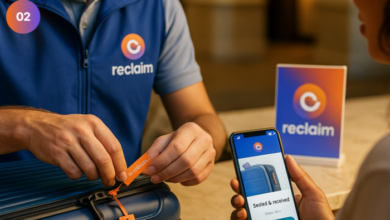
Accenture’s latest Consumer Pulse Research, included in the ‘Talk to My AI Agent’ report, provides insights into consumer readiness for AI agents and the implications for brand value. This media alert focuses on the travel sample (2,999 respondents).
KEY FINDINGS:
There’s a shift happening in travel, and it’s not just about AI-powered travel planning. Travelers are increasingly willing to let AI agents influence, negotiate and even make booking decisions on their behalf, potentially changing the way loyalty, discovery and brand preference work in the industry.
Nearly three in four consumers (74%) would trust a personal AI agent more than their best friend to make a purchase on their behalf. No chatbot. No search engine. An agent who acts, decides and buys on their instruction, at scale.
87% of travelers are open to working with an AI-powered travel agent to find the best option.
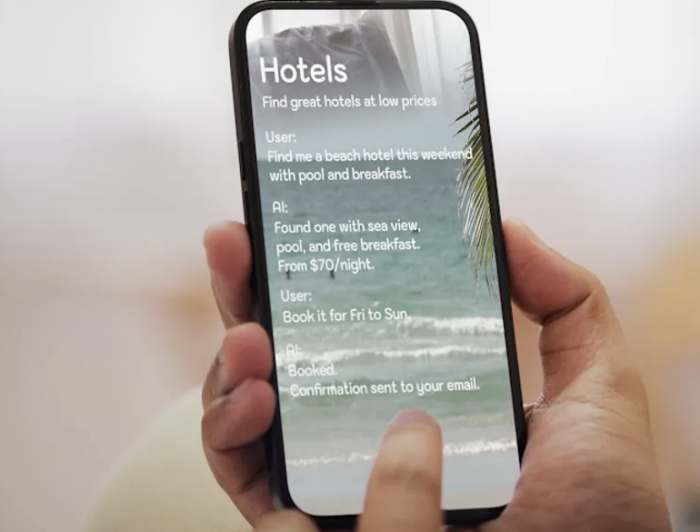
Nearly three in ten (29%) of travelers would let an AI agent make the final booking decision on their behalf (before consumer payment is made), within defined boundaries such as price and preference.
Fully autonomous trust is still early, but notable: 7% of travelers would allow the agent to independently shop on their behalf, make booking decisions and even make purchases.
71% of travelers say at least half of their hotel or airline spending will be influenced by AI in the next 12 months.
Brand loyalty is in danger. If brands fail to meet travelers at the moment of intent, they risk long-term brand affinity.
More than half (55%) of travelers would instruct their AI agent which brands to consider, but 36% of loyal travelers (those who typically choose from 1-3 preferred brands within a given category – hotel/airline) would let an agent switch from their favorite brands for a better match.
44% of travelers want to stay involved in at least one part of the trip because they enjoy the browsing experience or feel an emotional connection with the travel brand
EXAMPLE:
Ascott, a Singapore-based global hospitality and lodging operator, is changing the way the brand’s online systems and channels work so that the brand can appear in the places where AI tools make or shape decisions on behalf of customers. By building an agent-ready infrastructure that connects its inventory, personalization and booking capabilities directly to leading AI platforms, Ascott ensures it can be discovered, evaluated and booked through the AI assistant a traveler delegates to. The AI concierge evolves from a conversational tool to an agent that can plan and complete bookings from start to finish.
QUOTES:
“Last year, Accenture’s research found that AI is becoming a common way for travelers to research and plan trips. Travelers now don’t just use AI for ideas; they’re willing to let AI agents take action. They set their preferences and limits, and then let the agent compare options, suggest choices, and sometimes even complete the booking for them.” says Emily Weiss, Global Travel Lead and Senior Managing Director at Accenture.
“This is changing the way travelers choose brands. Loyalty is no longer assumed. Instead, brands are currently judged on price, relevance and how well they meet traveler needs,” said Emily.
“For travel companies, the message is simple: be there where these AI agents make decisions, make sure your offers are easy to compare and understand, and clearly prove your value, while continuing to invest in the human experiences that build trust and emotional connection.” Emily said.
ABOUT THE RESEARCH:
Now in its seventh year, Accenture’s Consumer Pulse Research examines how consumer sentiment, behavior and expectations are driving change in consumer-facing industries. This year’s research provides insights into consumer readiness for AI agents and the implications for the consumer-brand relationship, with a particular focus on the consumer goods and services, retail, travel, automotive, telecom, insurance and utilities sectors. The travel survey surveyed a representative sample of 2,999 consumers in 16 countries: Australia, Brazil, Canada, Chile, France, Germany, Greater China, Italy, India, Japan, Mexico, Spain, Sweden, UAE, UK and US. The survey was conducted online between January 7 and January 22, 2026. Analysis allowed for comparisons between various demographic factors, such as age or income, as well as behavioral characteristics such as an individual’s use of technology or brand preference. Further tests of the hypotheses were conducted using a synthetic panel fitted to the dates of January 7 and January 22, 2026 and via AI-moderated interviews with 50 consumers in 5 countries between April 20 and May 7, 2026.
We use generative AI in our research production process. Our research experts review and validate generative AI results using traditional research methods where possible, applying Accenture’s Responsible AI standards.