Why BBL HEROic is popular for skin rejuvenation
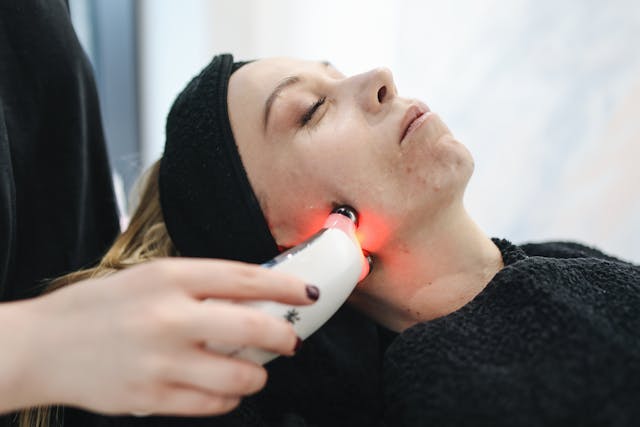
Skin rejuvenation treatments have come a long way. What once meant weeks of downtime, significant discomfort, or going under the knife can now be handled in a clinic room between meetings. Broadband lighting technology is at the forefront of this progress.
It treats a wide range of skin concerns, works on a variety of skin types and delivers results that go beyond surface clearing. Once people understand what happens during treatment and why, the growing demand makes perfect sense.
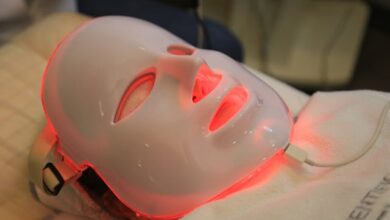
BBL HEROic is a next-generation broadband light treatment developed by Sciton. The name stands for High Energy Rapid Output. While previous broadband light devices operated at lower energy levels over longer pulse durations, this technology delivers higher energy in shorter bursts, transforming both clinical outcomes and the experience of sitting in the treatment chair.
What does it treat?
This is one of the first questions asked before a consultation, and the answer is broader than most people expect.
BBL HEROic tackles sun damage, age spots, redness, broken capillaries and uneven skin tone. It is also used for conditions such as rosacea and melasma, although the latter require careful treatment and a doctor who knows what he is doing. Fine lines, enlarged pores and general dullness also respond well, making it attractive to such a wide range of patients.
In addition to corrective work, there is plenty of evidence to suggest that regular broadband light treatments produce real anti-aging effects at the cellular level. A long-term study found that the skin of people who received consistent BBL treatments over the years appeared biologically younger than untreated skin of the same chronological age, as measured by changes in gene expression.
How is it different from a standard BBL treatment?
Previous BBL devices were effective, but the HEROic technology works on another level. The higher energy output means treatments can be completed more quickly, with full facial sessions typically completed in less than thirty minutes. The rapid delivery of energy also means that the skin spends much less time under stress during the procedure.
For patients, this means less feeling of warmth, less redness after treatment and a faster return to normal life. Most people can put on makeup and go about their day straight after a session. That’s a notable contrast to older generation devices, where redness or tenderness can last for days and require some social planning around treatment dates.
Does it hurt?
This question comes up in almost every skin rejuvenation consultation. The honest answer is that there is some sensation involved, usually described as a quick wink or a short pulse of heat as the light ignites. The fast pulse duration can manage that discomfort better than older technology because the skin does not absorb heat for longer periods.
Most people tolerate it well without local anesthesia, although clinics often offer a cooling gel or numbing cream for more sensitive patients. The face is usually more comfortable than areas such as the chest or hands, where the skin is closer to the bone and the sensation may be slightly sharper.
How many sessions are needed?
This depends on what is being treated and the condition of the skin at the start. For general rejuvenation and tone correction, a course of three to five sessions, approximately four weeks apart, is a sensible starting point. Additional treatment may be necessary for more pronounced pigmentation or vascular problems.
Maintenance also plays a role. Many patients who complete an initial course return once or twice a year to maintain their results and support long-term skin health.
This applies to light-skinned patients or those with a history of significant sun exposure, where maintaining regular follow-up will provide much better long-term results than waiting for concerns to return before acting on them.
Who is it suitable for?
BBL HEROic works on a range of skin tones and types, although it performs most predictably and poses a lower risk for lighter Fitzpatrick skin types. Darker skin tones can be treated, but this requires a doctor with real experience in that field and the knowledge to adjust the settings accordingly to prevent post-inflammatory hyperpigmentation.
Patients who are pregnant, taking medications such as Roaccutane, or dealing with active skin infections in the treatment area are generally advised to wait. A proper skin rejuvenation consultation should include medical history, current skin care habits, and sun exposure before agreeing on a treatment plan.
Why is demand growing?
Several things have come together at the same time. Awareness of broadband light technology has grown through word of mouth and better informed patients coming for consultations having already done their research.
The treatment itself has really improved. The combination of clinical evidence, minimal recovery time and results that support regular use makes it a great option for a wide range of people.
It will not be suitable for every patient, nor is it a solution for every problem. But for those looking to tackle skin rejuvenation, pigmentation, redness and the first signs of aging without surgery or taking a week off, it’s hard to dispute the evidence.