Why $1,000 fractional ownership homes are popular in Lake Tahoe
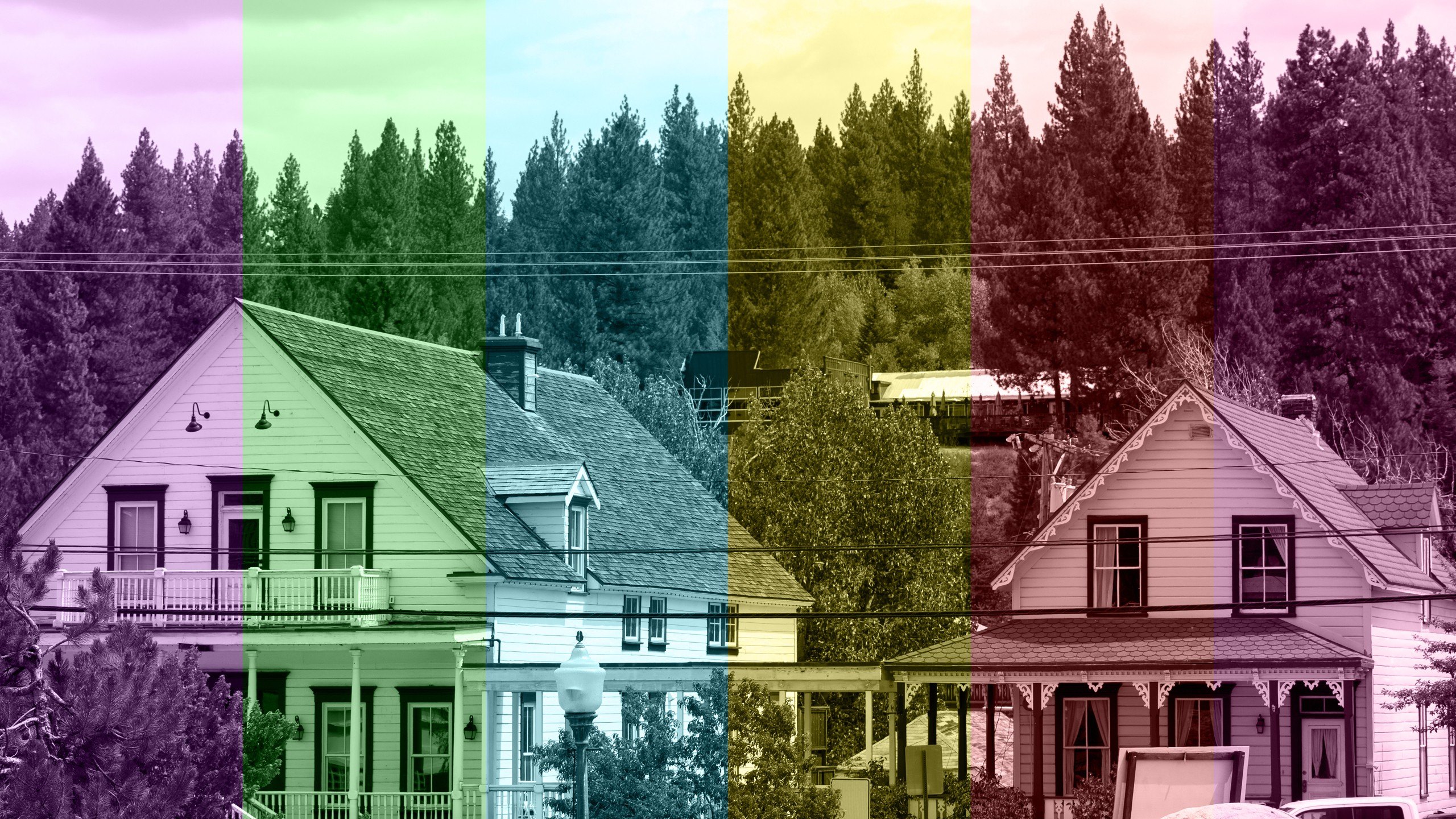
In the Lake Tahoe-adjacent city of Truckee, CA, where the median home price is $627,450, a three-bedroom, 3.5-bath, 2,470-square-foot home is currently for sale for $1,000, and that’s not a typo.
But there’s a catch.
It’s fractional ownership, meaning you own a ‘fraction’ of it and get to use the house for about four weeks a year.
Listing agent Jason Waters by Tahoe Mountain Real Estate tells Realtor.com® that the property is located in a popular community called Old Greenwood– and you get 1/17 shared ownership of a real house.
Owners receive a guaranteed, fixed week for the same time each year, with additional time booked based on need or space availability, for a total of approximately four weeks per year.
When staying at their residence, Old Greenwood owners receive preferential access to two golf courses and a pool at the Tahoe Mountain Club, complimentary shuttle service to Northstar Ski Area, access to a private members lounge in the village where they can store their ski equipment, and dining privileges at a private restaurant on the mountain.
These amenities were especially attractive to the Sacramento real estate agent Susan Kolbwho is an avid golfer and bought a small portion of a house in Old Greenwood 18 years ago.
“My family made so many wonderful memories there,” she tells Realtor.com.
Fractional properties are gaining popularity in Truckee
The real estate market in Truckee – like most in California – is challenging.
“North Lake Tahoe and Truckee remain trapped in an ongoing inventory shortage, with much of the housing stock sitting vacant for much of the year as vacation or occasional real estate,” says Hannah Jonessenior economic research analyst at Realtor.com.
“That structural scarcity has pushed prices far beyond the reach of many full-time local residents. The result is a tale of two markets: a booming luxury and second-home segment, and a workforce housing supply that is increasingly unaffordable.”
As a result, partial ownership is gaining ground.
Of the approximately 380 homes currently for sale in Truckee, 61 (approximately 16%) refer to some form of fractional ownership in their listing description.
“That’s the highest share for this time of year in our data going back to 2017, and the trend has accelerated every year since 2023 as supplies have tightened and prices have risen,” Jones says.
There are more than 50 share homes on the market at Old Greenwood alone, according to Waters.
North star also offers a wide selection of fractional ownership options in Truckee: in the Village, Mountainside properties, and the Big Springs and Old Northstar neighborhoods.
Waters says retirees are especially interested in partial homeownership, as are young families.
“Many people are hesitant to buy a $2 million or $3 million property, especially if their children are small and aren’t sure if they will enjoy skiing,” he says. “Fractional ownership is often a stepping stone to buying a home in the future, and a way to get your foot in the door.”
The economics of fractional ownership
In addition to the initial costs of partial homeownership, there are other costs that buyers must pay.
Most fractional housing communities charge HOA dues that cover maintenance, property taxes, insurance, and utilities.
At Old Greenwood, owners pay quarterly HOA dues of $2,307.
While that price is high, Kolb notes that a comparable home in Truckee can cost as much as $6,500 per week on vacation rental platforms in the summer. By comparison, Old Greenwood owners effectively pay about $2,307 per week for four weeks of use.
Bee The Ritz Carlton Club, Lake Tahoe in Truckee, HOA dues vary depending on the size of the unit, but most owners pay about $2,300 per month.
Difference between fractional ownership and timeshare
The main distinction between fractional ownership and a timeshare comes down to what you actually own.
“A fractional share is an ownership interest in real estate that can be sold, transferred or inherited, and its value rises and falls with the underlying real estate, just like conventional ownership,” says Jones.
A timeshare, on the other hand, only gives the right to use a property for a certain period of time per year.
“Timeshare holders are not building equity or directly benefiting from rising property values,” Jones adds.
Advantages and disadvantages of fractional ownership
One of the biggest benefits of fractional ownership is that it requires little maintenance, Kolb said.
“It gives you access to a great vacation home that you don’t have to maintain,” she says.
Jones says another appeal of the model is cost sharing.
“In a fractional arrangement, expenses such as property taxes, HOA fees, maintenance, utilities and property management are distributed proportionally among the co-owners, reducing the financial burden on each individual,” she explains.
However, CPA and attorney Chad D. Cummings by Cummings and Cummings Act says he’s steering clients away from fractional ownership.
“I tell every customer the same thing: You’re not selling this interest for anything close to what you paid,” he says. “No conventional lender will mortgage an eighth LLC interest in a property, eliminating 90% of potential buyers.
“The fractional interest resale market doesn’t function like a real estate market; it functions like a distressed liquidation of assets – think short sales. I’ve seen clients list fractional interests for two or three years without a single offer because no one wants to absorb the management costs.”
Many fractional ownership communities also do not allow owners to rent out their properties; something that is also a disadvantage according to Cummings.
“When buyers purchase these thinking they can re-rent them, for example through Airbnb or HomeAway, they are often shocked to learn that restrictions make that difficult, if not impossible,” says Cummings. “Fractional owners lose the income component that justified the purchase price, and exit becomes all the more difficult.”
Jones also notes that fractional ownership lowers the entry price for a vacation property without adding a single unit to the housing supply.
“In a region where two-thirds of the housing stock is largely empty and many working tenants are already struggling with high costs, that distinction is important,” she says.
“Meaningful relief will require supply-side solutions, including limited title units, employer-supported housing and sustainable investments in workforce housing. Fractional models are a real financial innovation for the second-home market, but they do not address the scarcity that costs full-time residents.”