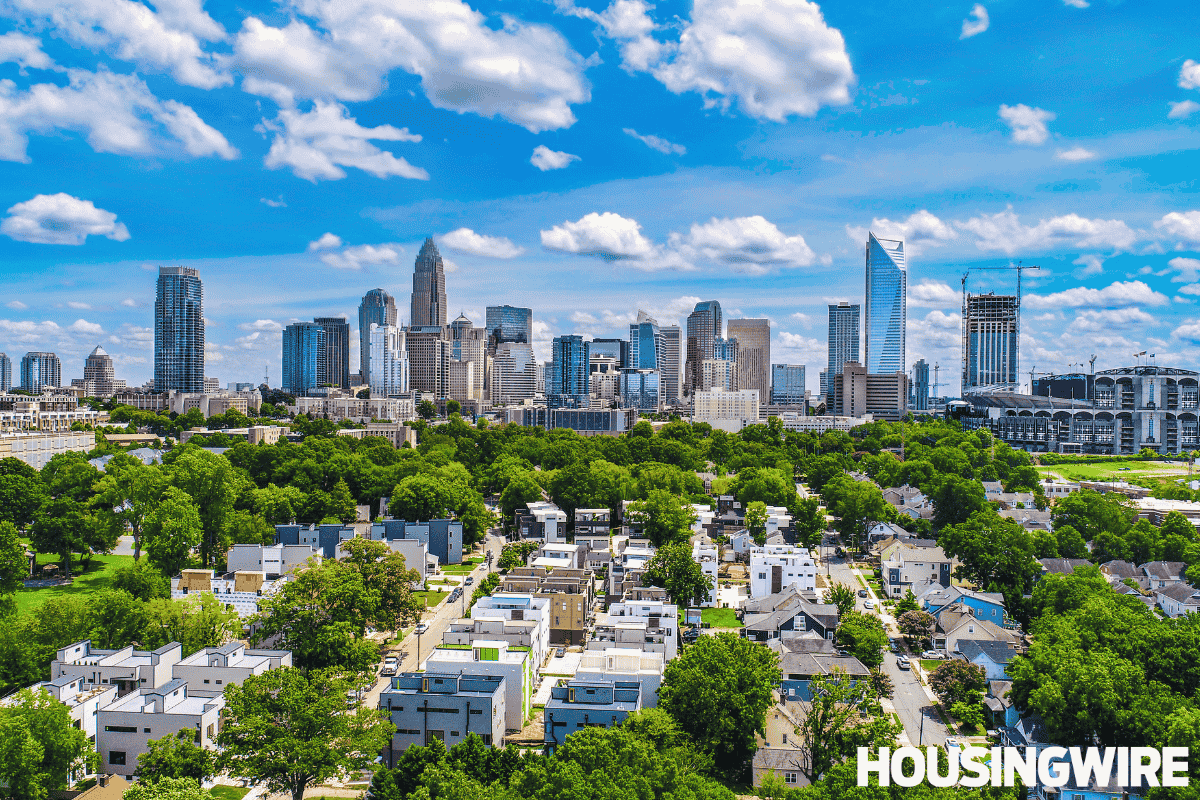
Welcome to the “Anti-Hamptons,” where Manhattan second home buyers are now heading
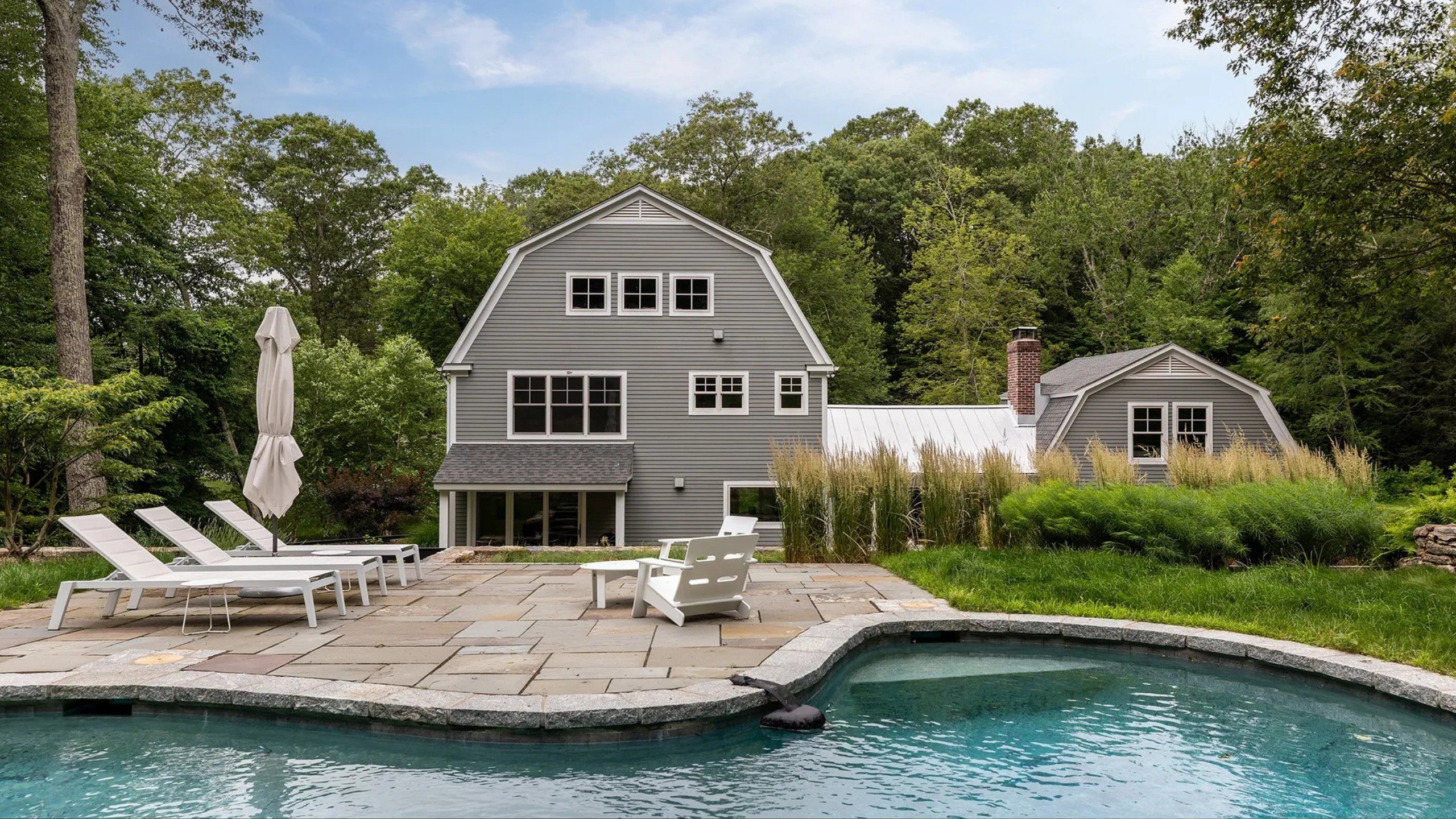
For decades, New Yorkers have fled to the Hamptons for sun-drenched weekends and sea air. But as its popularity has skyrocketed—and the traffic, crowds, and price tags have grown along with it—the once effortless escape is starting to look more like a stage than a retreat.
Now a growing number of city dwellers are looking beyond the Hamptons for a place where they can truly unwind, trading hot spots of seeing and being seen for quieter shores and a slower pace.
Litchfield County, CT, just a two-hour drive from Manhattan, fits the bill.
William Melnicka real estate agent with Elyse Harney Real Estatecalls it the “anti-Hamptons.”
“When people go to the Hamptons, they think they’re going to the country and they’re not going to see the people they’ve seen all week, but now it’s New York City on steroids and New York City by the sea,” he says. Realtor.com®. “It can take three to four hours to get there, and it’s super busy and super commercial.”
Melnick says there is so much traffic in Bridgehampton that just getting a cup of coffee can take a significant amount of time.
But those problems don’t exist in Litchfield County.
“It’s cooler and more relaxed here,” he says. “Every city has a city beach. It’s idyllic, like being in a ‘Fun With Dick and Jane’ book.”
The former Ralph Lauren merchandising manager started running weekend trips in Litchfield County in 2013 and moved there full-time in 2018. The area is rich in nature, with freshwater beaches inland from streams and lakes.
Melnick appreciated the fact that it is near the end of the Metro-North line, and that the Berkshires and Hudson Valley are right next door, with skiing and outdoor activities all within easy reach.
Plus, it’s close enough that his husband can commute to New York City during the week, giving him the best of both worlds.
Crunching the numbers
Housing in Litchfield County is also more economical than in the Hamptons.
“The largest markets in the Hamptons are Southampton and East Hampton, where average prices in January reach $3.7 million and $2.8 million, respectively,” says Hannah Jonessenior economic research analyst at Realtor.com.
“Litchfield and the greater region are much more affordable than the Hamptons and, perhaps as a result, more competitive.”
The median sales price in the city of Litchfield was $599,000 in January, and homes were on the market for just 53 days.
“That is more than three weeks less than the national standard,” says Jones. “Inventory levels in the area remain only a fraction of pre-pandemic levels, contributing to the strong competition in the market.”
In Litchfield County, the median sales price in January was $650,000, and homes were on the market for about 85 days, an increase of about 18% from a year earlier.

By comparison, homes in Southampton and East Hampton spent even longer on the market in January, with a median of 135 and 129 days.
“In Litchfield County, inventory levels in the area are about a quarter of pre-pandemic levels, and prices are more than $200,000 higher, underscoring the strong demand for housing in the area,” Jones said.
Who’s Buying in Litchfield County
Melnick says New York City buyers make up the largest portion of the buyer pool in Litchfield County, with many of them purchasing second homes.
With about a dozen prestigious boarding schools in the area, Melnick notes that school families represent a notable segment of the market.
“They buy a second home near the boarding school to come to sporting events on the weekends, or if they want to be geographically closer to their children,” he explains.
Melnick says he’s also seen a lot of buyers coming from California since the wildfires. And because inventory is tight and most offers are all-cash, the market can be competitive.

Although the historic winter storms have slowed business in recent weeks, he expects to see an influx of activity when Wall Street hands out bonuses later this month.
“I know there will be more stock coming, especially as the weather warms up,” he says.
As for the types of homes he expects to see hit the market, Melnick says Litchfield County is home to a wide variety of great American architecture.
“We built real colonial homes and estates in the Gilded Age,” he says. “And they’re not on top of each other either.”
He says strict zoning laws and land trusts limit new construction and keep the area less developed.
“It’s so beautiful and pristine here, and there’s so much open space, which homebuyers crave,” he adds.
Lower property taxes also entice buyers, according to Melnick.
“If you drive into New York, just five miles away, you could be paying up to 75% more. Here in Litchfield County, you get more for your money,” he says.