Trump ICE Crackdown Blamed for Decline in US Tourism
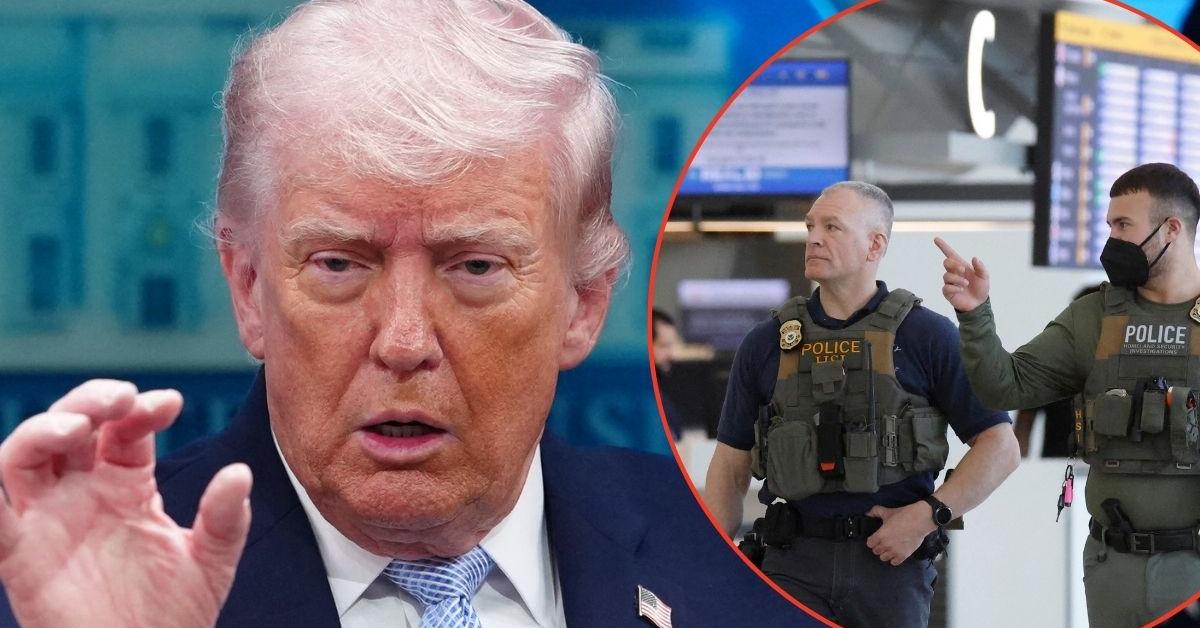
RadarOnline.com can reveal that Donald Trump’s increased use of immigration agents at US airports has been blamed for a sharp decline in international travel, with fears of enforcement tactics – and violent incidents involving ICE officers – making tourists increasingly reluctant to visit.
The 79-year-old president has overseen a renewed crackdown on immigration enforcement, including deploying Immigration and Customs Enforcement officers to major transportation hubs as the country grapples with major airport disruptions.
Long lines, staffing shortages at the Transportation Security Administration and broader geopolitical tensions have already put pressure on the travel industry. Now industry figures are warning that the visible presence of Immigration and Customs Enforcement — combined with reports of aggressive enforcement and shootings during operations — is deterring visitors at a critical time for U.S. tourism.
An industry source told us: “Internationally, there is a very real shift in the way people view travel to the US. What used to feel routine is now accompanied by a sense of uncertainty and in some cases genuine concerns about personal safety.
“The visibility of ICE agents at airports plays a major role in this. It is not subtle and quite confrontational for many travelers.”
They noted: “Ultimately, travel decisions are as emotional as they are practical. People want to feel relaxed and welcome when they arrive somewhere, without worrying about how they might be treated or what they might encounter. Right now, many international visitors are weighing that up and deciding that their money is better spent in destinations where the environment feels more stable, less heavily policed, and where they don’t have to worry about getting caught up in something they have no control over.”
Travel disruptions have exacerbated the problem. Hundreds of TSA officers have reportedly left their posts due to continued staffing shortages, leading to hours-long security lines at major hubs including Atlanta and New York. In some cases, passengers have missed flights after waiting in crowded, confusing queues for more than four hours.
At the same time, the deployment of ICE agents at airports has drawn criticism from lawmakers and unions, who argue that their presence is unnecessary and adds to the already tense atmosphere.
Another source said: “For many foreign travelers, the airport is supposed to be a neutral, procedural space – somewhere you pass through, not somewhere you feel tense.”
The insider continued, “But the increasing presence of immigration enforcement has changed that dynamic. It introduces a level of tension that people are not used to, especially when they hear stories of detentions, sudden deportations and incidents involving firearms during enforcement operations.
“Even if these situations don’t occur directly in the terminal, they travel quickly through global media and social platforms, shaping how people imagine the experience before they even arrive.”
The insider added: “What really matters in tourism is trust, and that’s something that can be eroded very quickly. Travelers don’t necessarily distinguish between isolated incidents and wider trends – they respond to the general feeling.
“If the perception is that there’s a risk of getting caught up in something unpredictable or uncomfortable, that’s enough to put people off. Right now, the narrative around entering the US feels more intimidating than inviting, and that has a tangible impact on whether people choose to come in the first place.”
Trump has defended ICE’s broader actionsand considers it a necessary step to restore order. His administration has also faced a series of unrelated aviation challenges, including a fatal runway collision at New York’s LaGuardia Airport that killed two pilots, as well as rising ticket prices linked to global fuel shortages and conflict in the Middle East.
Within the travel industry, however, the cumulative effect has been described as a ‘perfect storm’. A tourism industry source said: “What is happening at the moment is a confluence of multiple issues all happening at once – operational pressures at airports, ongoing security concerns and now an added sense of unease around immigration enforcement. Each of these issues on their own would be manageable, but together they create an atmosphere that feels overwhelming for travellers.
“Tourism relies heavily on how a destination makes people feel before they even get there. Visitors want a sense of ease, of being welcomed rather than scrutinized. Right now, the U.S. is sending mixed signals — and in some cases the message feels more intimidating than inviting. That disconnect is proving incredibly damaging to the country’s appeal on the world stage, costing the United States millions in tourism.”
There have been several high-profile shootings involving Immigration and Customs Enforcement agents so far this year, mainly in Minneapolis and California. The incidents occurred during a massive federal enforcement campaign known as Operation Metro Surge.
Among them was Renee Nicole Good, a 37-year-old mother who was fatally shot by an ICE agent during an enforcement operation in January.