Tokenizing the Real World is Lucrative
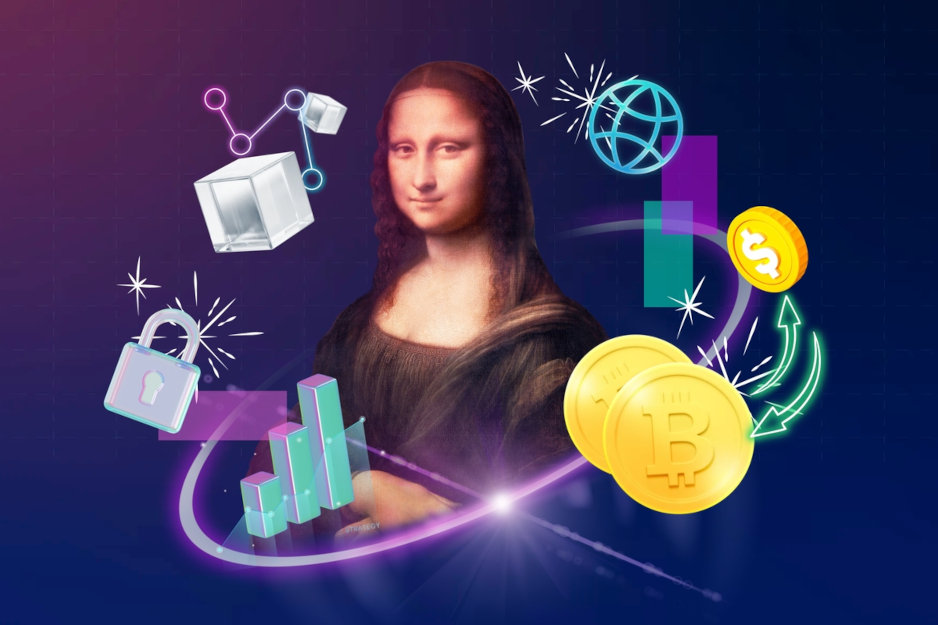
Tokenization is no longer a buzzword. It’s a turning point.
We’ve seen it with JPEGs, memes, music rights, and even tweets. But now? It is the real world – physical property, corporate debt, luxury cars, farmland, even visual arts – that is being reimagined as digital tokens. This evolution is called RWA tokenization, short for Real World Assets, and could quietly become a huge revolution in the financial world – valued at $3 billion – since the invention of derivatives.
The pitch is simple: what if everything valuable in the real world could be fractionated, traded and digitally owned – without permission and worldwide?
It happens. And it’s incredibly lucrative.

What are RWAs and why are they tokenized?
RWAs refer to physical or traditionally off-chain financial assets that are brought onto a blockchain through tokenization. This may include:
- Property
- Commodities (gold, oil, etc.)
- Private equity or venture capital stocks
- Bonds and government bonds
- Invoices and trade receivables
- Visual arts and collectibles
Tokenization refers to creating a digital representation of these assets – often in the form of NFTs or fungible tokens – which can then be traded or transferred on a blockchain.
The benefits?
- Liquidity: Illiquid markets such as real estate or fine art suddenly become tradable 24/7.
- Fractional ownership: A $10 million building can be divided into 100,000 pieces and is owned by private investors.
- Global Access: Anyone with an internet connection can own part of an office in Tokyo or farmland in Brazil.
- Transparency: Immutable data reduces fraud and streamlines compliance.
It’s not just about accessibility. It’s about unlocking trillions of dormant value.
Why RWA tokenization will gain momentum in 2025
1. The collapse of traditional financial systems
Rising interest rates, inflation shocks and distrust in traditional banks have pushed both private and institutional players towards alternative assets. Tokenized RWAs provide exposure to tangible, return-generating assets without the friction of traditional custodians or intermediaries.
BlackRock, Franklin Templeton and even JPMorgan are actively exploring or deploying tokenized versions of government bonds and bonds.
2. Yield-hungry DeFi is coming of age
DeFi protocols are now integrating tokenized T-Bills and corporate debt into their offerings. Projects like MakerDAO and Ondo Finance allow stablecoins to be backed by US Treasury bonds, creating a bridge between real-world returns and crypto liquidity.
Why park stablecoins in a farm that yields 1% when you can make 4-5% backed by real-world sovereign debt?
3. Finally there is new infrastructure
Thanks to developments in oracles (such as Chainlink), identity verification, legal wrappers (such as SPVs and DAOs), and token standards (ERC-3643, ERC-1400), RWA tokenization is no longer just theoretical; it’s compatible, configurable and increasingly seamless.
Who benefits from RWA tokenization?
Institutional investors
Institutions can delve into crypto without exposure to volatility, by holding tokenized versions of traditional instruments such as bonds or commercial paper. This smoothes the onboarding curve to DeFi, effectively unlocking trillions in dry powder.
Small business owners and entrepreneurs
Business owners can tokenize invoices, receivables, or equipment as collateral to raise money more efficiently. DeFi lenders can assess risk with on-chain data and provide capital globally.
Private investors
Ordinary people can now own assets from which they have historically been excluded: prime real estate, early-stage venture capital rounds, art portfolios and yield-bearing instruments. Tokenization ensures a level playing field.

Challenges holding back risk-weighted assets
It’s not all positive. Tokenizing the real world poses real problems.
Regulatory ambiguity
Who enforces ownership rights when a tokenized property is disputed? How are these tokens taxed in all jurisdictions? Regulations are still catching up.
Custody and trust
Confidence that a third party actually owns the underlying asset – and can redeem tokens upon request – requires transparency. What happens to your token if a custodian goes bankrupt?
Liquidity is not guaranteed
Just because an asset is tokenized does not mean it is liquid. You still need buyers. Many RWA platforms are still struggling with low volumes and tight markets.
The big picture: RWAs as the next chapter in financial evolution
Think of RWA tokenization as the next natural step in digitizing value. The internet has digitized communication. Social media digitized identity. Crypto digitized money. Now we are digitizing the rest of the world.
As capital becomes code, the potential for efficiency, inclusivity and innovation becomes staggering.
We are talking about:
- 24/7, global, borderless financial markets
- Programmable cash flows and reliable ownership
- Decentralized fundraising for real-world development
By 2030, much of the financial world will likely consist of a hybrid of on-chain and off-chain systems. Tokenized RWAs will not just be a niche, but will be the foundation.

RWA tokenization is not just the future, it is the present
We are witnessing the monetization of reality on an internet scale.
For forward-thinking investors and entrepreneurs, RWA tokenization offers an advantage that combines the stability of the old world with the speed of the new. From unlocking liquidity in dead assets to democratizing access to wealth creation, the possibilities are enormous.
So whether you’re building, investing, or just watching, the future of finance is tangible, tradable, and tokenized.
Don’t blink. You might miss the next trillion-dollar industry launching – one token at a time.