This is how you celebrate spring in Charentes with Explore Cognac | News
As the first leaves return to the vines, Charentes enters one of its most attractive seasons. Spring remains a secret for insiders. Between April and June, this tranquil, immersive French destination near Bordeaux offers something that is increasingly rare: space, authenticity and the freedom to enjoy it at your own pace. The roads are quieter and the experiences – from tastings to tours – feel more personal. With seasonal direct flights from Britain to La Rochelle, just 2.30 hours by train from Paris, and easy train connections between Angoulême, Saintes and Cognac itself, exploring the region is sustainable and effortless.
Serene natural beauty and the great outdoors
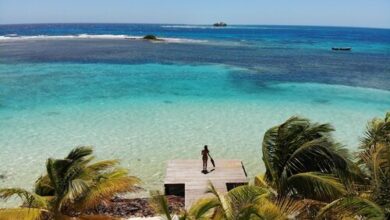
Spring in Charentes is defined by lush landscapes. Rolling vineyards stretch across one of France’s largest AOC areas, providing ideal conditions for cycling and walking, while the tranquil rivers and waterways allow for relaxing river cruises. The ‘Apéro Boat’ Cruise with Charentes in Flow (new in 2026) combines a peaceful cruise along the Charente River with a Cognac tasting, paired with local delicacies.
For keen cyclists, five European and national routes wind through the countryside, including the Hennessy and Rémy Martin vineyards, with several cognac houses offering tours and tastings. Routes such as La Flow Vélo – a 400km route of gentle riding from Île d’Aix to Dordogne, passing through Rochefort, Saintes, the Angeac-Charente archaeological site, Cognac and Angoulême – offer an unhurried way to discover the region’s rich heritage and scenic beauty.
Cities full of culture, heritage and history
At the heart of the region lies the town of Cognac itself, the birthplace of France’s King Francis I. Nearby Jarnac and Segonzac are in the heart of the vineyards, surrounded by estates that define the region’s production, such as Maison Courvoisier, one of the ‘big four’ producers. Those who want to understand the distillation and maturation process of Cognac can visit the cellars, as well as those of the local winegrowers.
Nearby Angoulême is known as the capital of French comics and is a UNESCO creative city, while Saintes to the west offers a striking layer of Gallo-Roman history spanning two millennia with an impressive range of historical monuments. An area of blissful landscapes dotted with idyllic villages, the Vals de Saintonge prides itself on offering engaging activities, from geocaching trails and escape games to river trips, parks and interactive heritage visits, perfect for families wanting to explore the region.
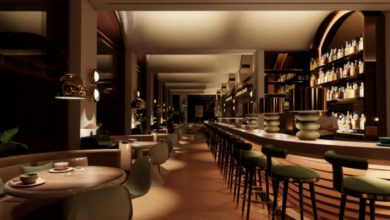
On the coast, the port town of La Rochelle combines history with a dynamic and young energy, with a selection of great restaurants and bars such as Le Mary Lili, while nearby Royan retains the atmosphere of a classic Belle-Époque seaside resort. Located above the Gironde estuary, Talmont-sur-Gironde stands out as one of France’s Plus Beaux Villages, combining dramatic ocean views with a historic clifftop citadel and exceptional vineyards, including Les Hauts de Talmont, which now offers visitors a sensory exploration of their picturesque estate.
Cognac, land of spirits
A visit to Cognac is not complete without a journey of discovery into its namesake spirit. Produced using a distillation process unchanged since the 17th century, this cosmopolitan eau-de-vie is a cornerstone of the region’s culture and heritage, so much so that June 4 is the official World Cognac Day.
The new experiences for 2026 are exciting and comprehensive. Martell Héritage invites visitors to blend their own Cognac, while Cognac Voyer Vaudon offers aroma nose kits to help identify the age of different examples, with gift vouchers to be won. At Cognac Paul Giraud, ‘A story of water’ takes visitors from the vineyard to a private cellar where a spring of fresh water flows all year round, highlighting the important role this element plays in the Cognac-making process. Maison Brillet combines floristry with a unique pear cognac: after a personalized tasting, participants design their own glass dome with dried flowers.
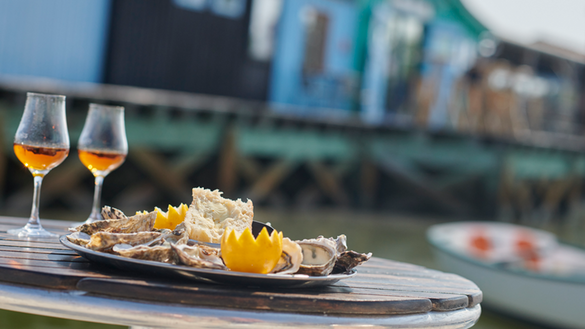
As a drink, Cognac is also enjoyed as an aperitif, complemented with tonic, used in a classic cocktail or a cocktail reimagined by regional bartenders, or served neat on ice alongside local dishes such as seafood. Throughout the region, producers and chefs also combine it with both sweet and savory dishes. At the Normandin-Mercier estate you’ll find it paired with chocolate, while at Domaine de Pladuc visitors make their own samosas before enjoying them with a glass.
A place of terroir and delicacies
Food and drink in Cognac are inextricably linked to their environment. The emphasis on local delicacies is reflected in luxury establishments such as Notes in La Nauve Hotel & Jardin, which was awarded a new Michelin star in 2026, and Christopher Coutanceau in La Rochelle, with two stars, as well as in simple bistros such as Le Restaurant du Château in Jarnac. Hop aboard the Bethanie for a gastronomic cruise along the tranquil Charente River from Jarnac to Bourg-Charente. The eight-seater Cellar Dinner at Delamain is an exclusive gastronomic experience, with exquisite dishes, each paired with a Delamain Cognac.
As a region, Cognac today represents 13.23% of the entire French vineyard (source: BNIC). This is where the grapes used for Charentais wines are grown, as well as those for Pineau des Charentes, an aromatic fortified wine with its own AOC (Appellation d’Origine Contrôlée). In Jonzac, the Maison de la Vigne et des Saveurs offers an eye-opening experience with expert testimony from the winegrowers and distillers and a tour of a cooperage workshop to learn about the entire wine and spirit making process.
From Barbezieux chicken to Chabichou du Poitou goat cheese and pale, sweet Charentais melons to prized vinegar, Cognac is rich in regional specialties rooted in both land and sea traditions. On the coast, the Marennes-Oléron oyster is the only oyster in France with the Rouge certificate label and Protected Geographical Indication (PGI) status. Many are grown in the marshes of l’Île d’Oléron, the second largest island in metropolitan France and an ideal destination for cycling. Here, local chefs such as Romaric Villeneuve from L’écume present the riches of the region.
Where to stay: A selection of exemplary accommodations to suit every budget
Five stars: La Nauve Hotel & Jardin, Cognac
Opening in 2023, La Nauve consists of three elegantly renovated 19th-century buildings. It offers just 11 rooms, surrounded by lush gardens with a swimming pool. Guests can enjoy a bar, brasserie and Notes, a gourmet restaurant with a new Michelin star for 2026. The property is part of Relais & Châteaux and invites its guests to experience the real lifestyle “à la française”.
Four stars: Le Champlain, La Rochelle
This charming 39-room hotel, set in a beautiful 17th-century monastery, is close to the city’s main attractions. The recently renovated hotel offers moments of relaxation through a new wellness area with special treatment rooms, a bar with terrace and flower garden, and a gourmet restaurant. Three generations of the Brisson family have managed the property since it opened in 1948.
Three stars: L’Albatros, Île d’Oléron
Located on the southern tip of Île d’Oléron, Hôtel-Restaurant L’Albatros is an idyllic property with 18 rooms and 3 family suites, set against the backdrop of the Atlantic Ocean. The hotel invites guests to relax and unwind on one of the several terraces, perfect for enjoying the gastronomic delights of both the restaurant and the oyster bar overlooking the beautiful coastline.