This empty billion-dollar airport could become the new hub of Emirates and Qatar
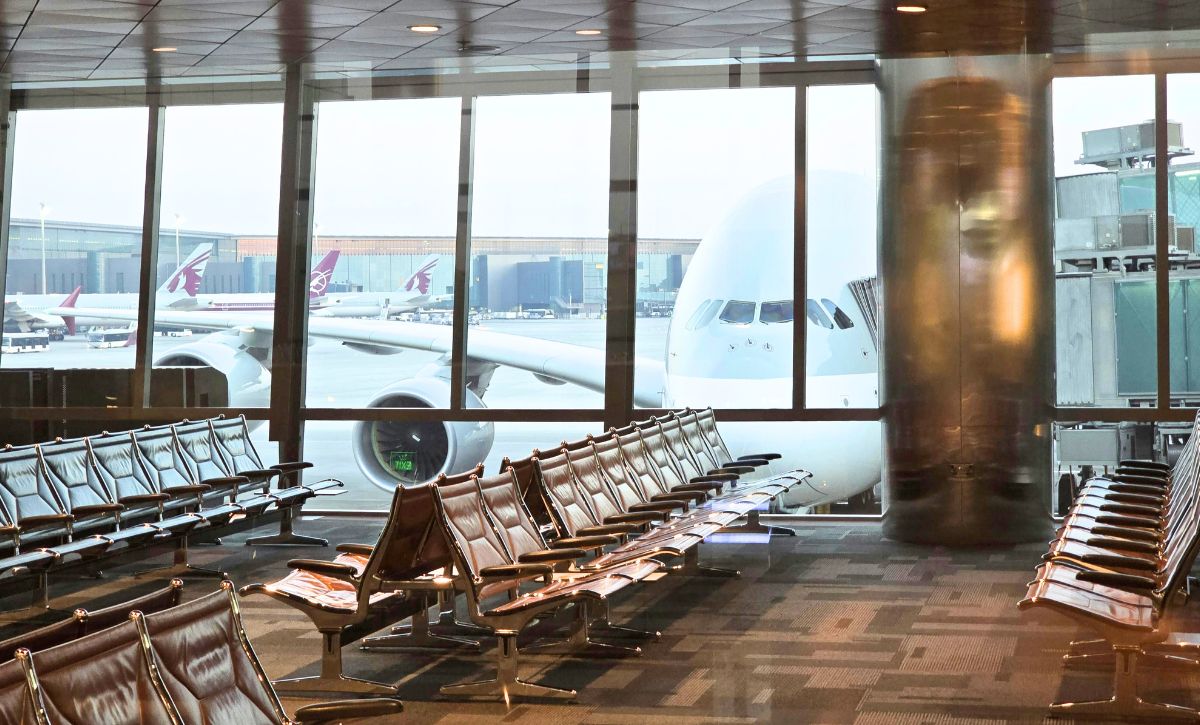
Sri Lanka has submitted a proposal to convert the underutilized Mattala Rajapaksa International Airport into an emergency hub for Emirates and Qatar Airways, as ongoing airspace instability in the Middle East continues to disrupt global aviation networks.
The initiative emphasizes the strategic importance of alternative hubs to maintain long-distance connections between Europe, Asia, Africa and Australia.
The proposal shifts the focus away from the country’s main gateway, Bandaranaike International Airport in Colombo, and instead emphasizes Mattala’s unused capacity and favorable geographical location along key east-west air corridors.
A ‘ghost airport’ with untapped potential
Opened in 2013, Mattala Rajapaksa International Airport is designed to accommodate large aircraft, including Airbus A380s. However, the airport has remained largely inactive and has developed a reputation as a ‘ghost airport’. Nevertheless, aviation analysts are taking notice the low congestion, available slots and existing infrastructure provide a rare opportunity for rapid operational scale-up.
Sri Lankan authorities have initiated preliminary discussions with both Emirates and Qatar Airways to explore the possibility of relocating certain operations to Mattala. The airport’s location in southern Sri Lanka places it along major flight routes in the Indian Ocean, making it suitable for transit operations between western and eastern markets.
“The airport has available capacity and a strategic location that could support international transit operations,Officials familiar with the discussions indicated, underscoring its potential role in limiting disruptions.
Disruptions in the Middle East are causing strategic shifts

The proposal comes at a time when airlines in the Middle East face increasing uncertainty due to airspace restrictions and geopolitical tensions. Gulf carriers such as Emirates and Qatar Airways rely heavily on hub-and-spoke models in Dubai and Doha.
Any long-term disruption in these primary hubs could have cascading effects on global travel networksprompting airlines to explore contingency plans. Industry observers suggest diversification of operating bases may become necessary if instability persists.
Mattala’s distance from conflict-prone regions further enhances its appeal as a backup location, providing a level of operational reliability that is increasingly valuable in today’s volatile environment.
Operational and infrastructure challenges
Despite the benefits, significant barriers still remain. Setting up a fully functional hub requires more than just runway capacity. Airlines should get involved ground handling services, maintenance facilities, catering systems and trained personnelall of which are currently restricted at Mattala.
In addition, the surrounding region does not have sufficient hotel capacity and transportation infrastructure to support large numbers of transit passengers. These logistics constraints could prevent airlines from making short-term investments unless the disruptions become long-lasting.
Experts are taking notice the cost and complexity of repositioning aircraft, crew and support systems In the absence of sustained operational need, the benefits may outweigh the benefits.
Economic opportunities for Sri Lanka

For Sri Lanka, the proposal represents a potential economic boost. Increased airline activity could boost tourism, generate employment and boost regional development in the southern areas of the country.
Tapping into a billion-dollar underutilized asset could help offset fluctuations in tourism and strengthen aviation-related revenue streamsespecially as global travel patterns continue to evolve.
Although the concept is strategically sound, its implementation remains uncertain. Airlines typically need long-term stability before making major operational changes. However, if disruptions in the Middle East continue, Sri Lanka’s proposal could gain momentum as part of a broader shift toward more resilient and diversified global aviation networks.
Sources: