These four Caribbean islands will be the most environmentally friendly travel destinations in 2025
Temperatures continue to fluctuate between 2 and 3 degrees throughout the region 75°F and 84°F all year roundmaking off-season travel more attractive than ever. The rainy period between June and November still brings tropical storms, but also thinner crowds and a lower environmental burden on local ecosystems.
The Caribbean proves that sustainable tourism is not just a trend, it is now the region’s most powerful tourism strategyone that balances development with long-term conservation while delivering memorable, high-quality experiences.
Dominica: the climate leader of the Caribbean
- The world’s first sperm whale sanctuary
- 185 km long Waitukubuli National Trail
- New direct flights from the US
- Eco-luxury pioneers leading the way in sustainable tourism
Caribbean tourism will go green by 2025, and four islands will set the pace. Dominica, Grenada, St. John and Turks and Caicos Islands are emerging as the region’s most exciting eco-friendly travel destinationswhere nature conservation is combined with high-quality hospitality.
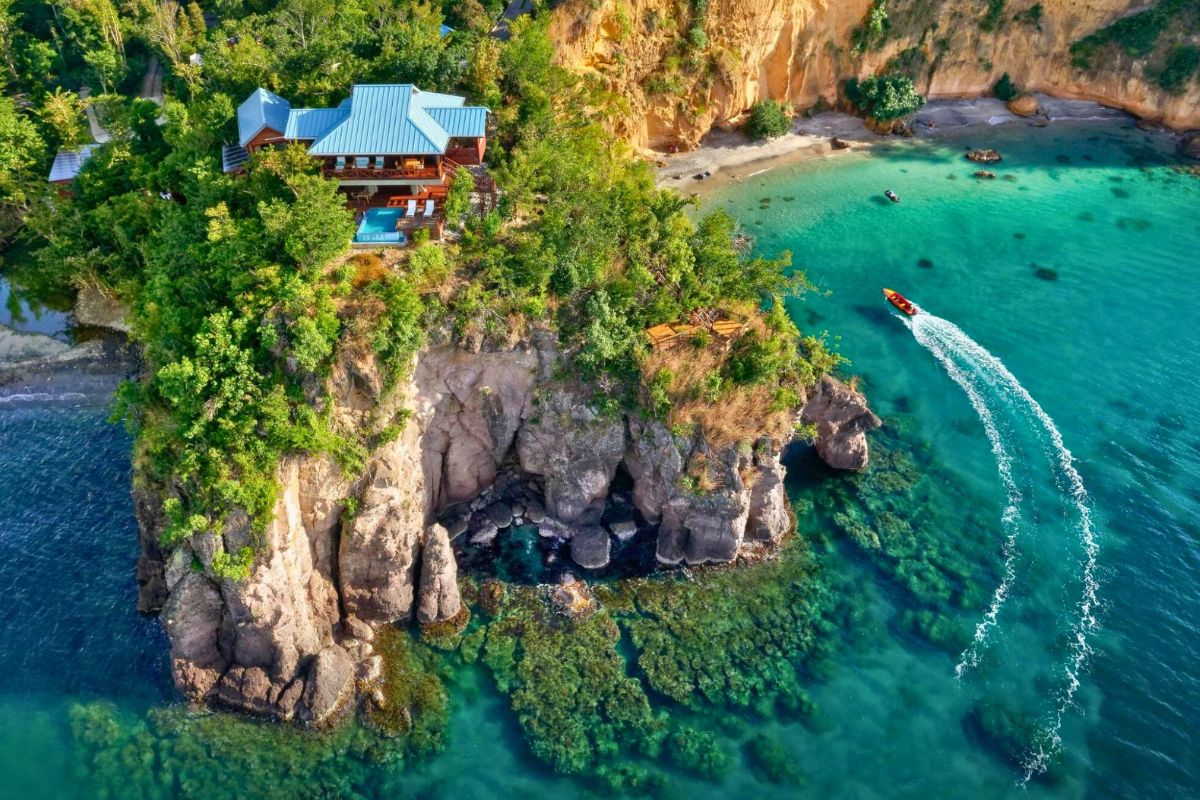
Dominica continues its quest to become the world’s first climate-resilient countrysupported by easier access via new nonstop flights from Miami and Newark. Adventure tourism is booming, especially along the coast 185 kilometers Waitukubuli National Traila long-distance hiking trail through rainforests, volcanic springs and coastal cliffs. The island is also home to the first sperm whale sanctuary on the planetwhere observations reach their peak November to March. Ultra-luxury meets sustainability Secret cove And Jungle Bay Resorttwo properties built around low-impact design and support of the local community.
St. John: a protected paradise without the crowds
- 2/3 of the island protected through a national park
- 45 minutes by ferry—no direct flights needed
- Reopened Caneel Beach now public
- Coral reef rehabilitation and voluntourism are flourishing
Almost two-thirds of St. John is federally protected under Virgin Islands National Parkthe conservation of mangroves, subtropical forests, sea turtles and vulnerable coral systems. The island has no airports, but is still easily accessible via a 45 minutes by ferry from St. Thomas.
Visitors are increasingly encouraged to participate reef restoration projects and organized beach clean-ups. By 2024, Caneel Bay’s Caneel Beach has officially reopened to the publicincreasing access to one of the Caribbean’s most beautiful coastlines. St. John is quickly becoming the Caribbean’s model for off-grid ecotourism that still feels effortless.
Grenada: bouncing back stronger with spices, culture and underwater art
- The world’s first underwater sculpture park is also a reef ecosystem
- Southern resorts weathered the 2024 hurricane with minimal impact
- Nutmeg plantations, spice markets and cultural tourism are on the rise
- Eco-travel combined with Caribbean heritage and marine innovation
Grenada then recovered strongly Hurricane Beryl (2024)with tourism momentum stronger than ever. Although parts of the island were affected, the the south coast and main resort corridor remained largely untouchedkeeping luxury travel flowing.
The island continues to support environmental travel, anchored by the Molinere Underwater Sculpture Park-the the world’s first underwater art installation made by Jason deCaires Taylornow doubling as an artificial reef ecosystem. Between plantation tours, spice markets and marine explorations, Grenada has put together one of the Caribbean’s most compelling mixes. culture-first tourism and ocean conservation.
Turks and Caicos Islands: luxury, lagoons and beginner-friendly diving
- First ocean water swimming lagoon in the Caribbean
- New direct flights from Miami to South Caicos
- Diving on shallow plateaus in Grand Turk, ideal for new divers
- Luxury development is shifting towards sustainable ocean tourism
Northeast of the Dominican Republic, Turks and Caicos (a British Overseas Territory) has rapidly expanded its tourism footprint while promoting marine stewardship. Providenciales remains the central hub for travelers, but new routes are driving interest to less-visited islands.
South Caicos now has direct flights from Miamithus increasing access to a pristine natural paradise. Another important milestone was reached at the end of 2024 South Bank Resort opened the Caribbean first ocean water swimming lagoonand offers a rare waterfront experience, free from boat congestion. Nearby Grand Turk has also established its reputation for shallow plateau divinga safer, beginner-friendly gateway to Caribbean marine life.